Understanding the Role of Inspections in Quality Construction
Building a top-quality building is no simple task. It requires careful planning, skilled workmanship, and above all, a strict adherence to quality standards. Inspections play a crucial role in this process, ensuring that every aspect of the construction meets the set benchmarks for safety and quality.
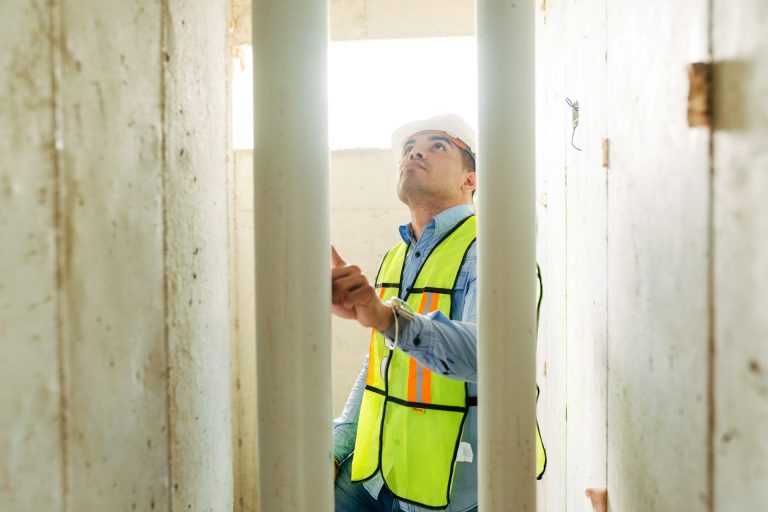
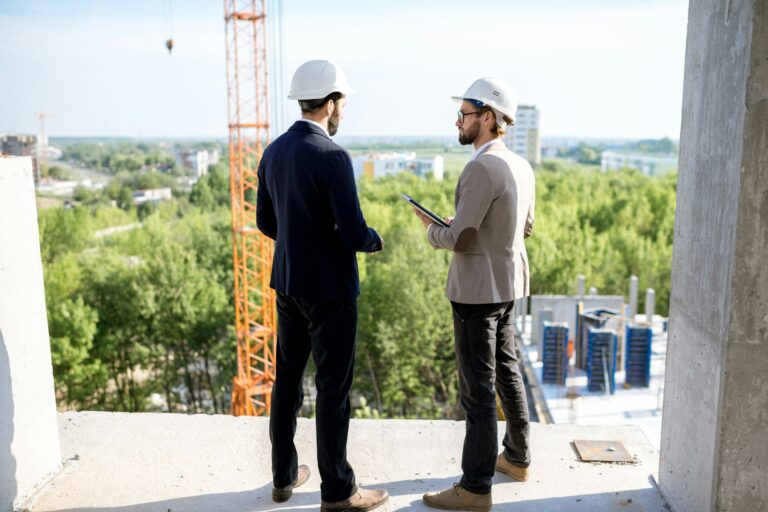
During construction, regular inspections are vital to catch potential problems early. Inspectors look at everything from the foundation to the finishing touches, spotting any issues that could become serious down the line. By addressing these concerns right away, the integrity of the project is maintained, ensuring a safe and sturdy building.
Quality inspections help ensure that materials used are up to standard and that workmanship is consistent throughout. These checks not only improve safety but also enhance the overall quality of the construction. Regular inspections safeguard against subpar work and help deliver a final product that stands the test of time. Through this diligent process, building inspections significantly contribute to creating lasting, quality structures.
Understanding the Inspection Process in Construction
The inspection process in construction is a comprehensive method used to ensure all aspects of a building project meet required standards. It involves several steps carried out by trained inspectors who closely examine every detail of the construction process. These steps help catch mistakes before they can cause bigger problems.
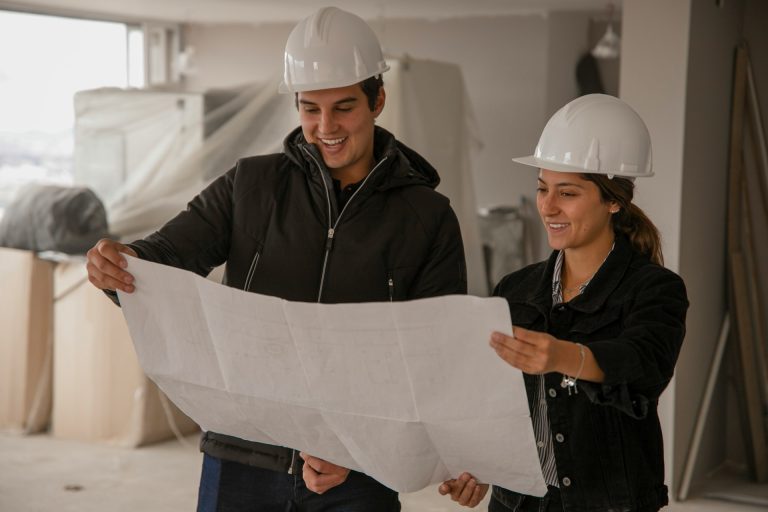
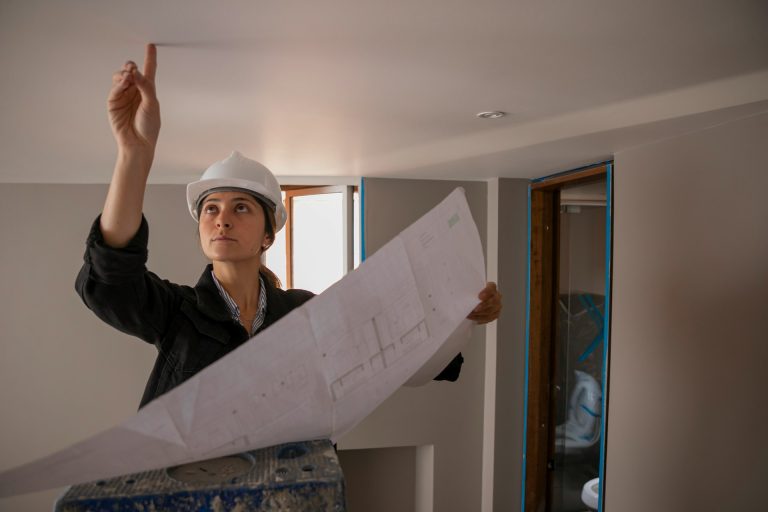
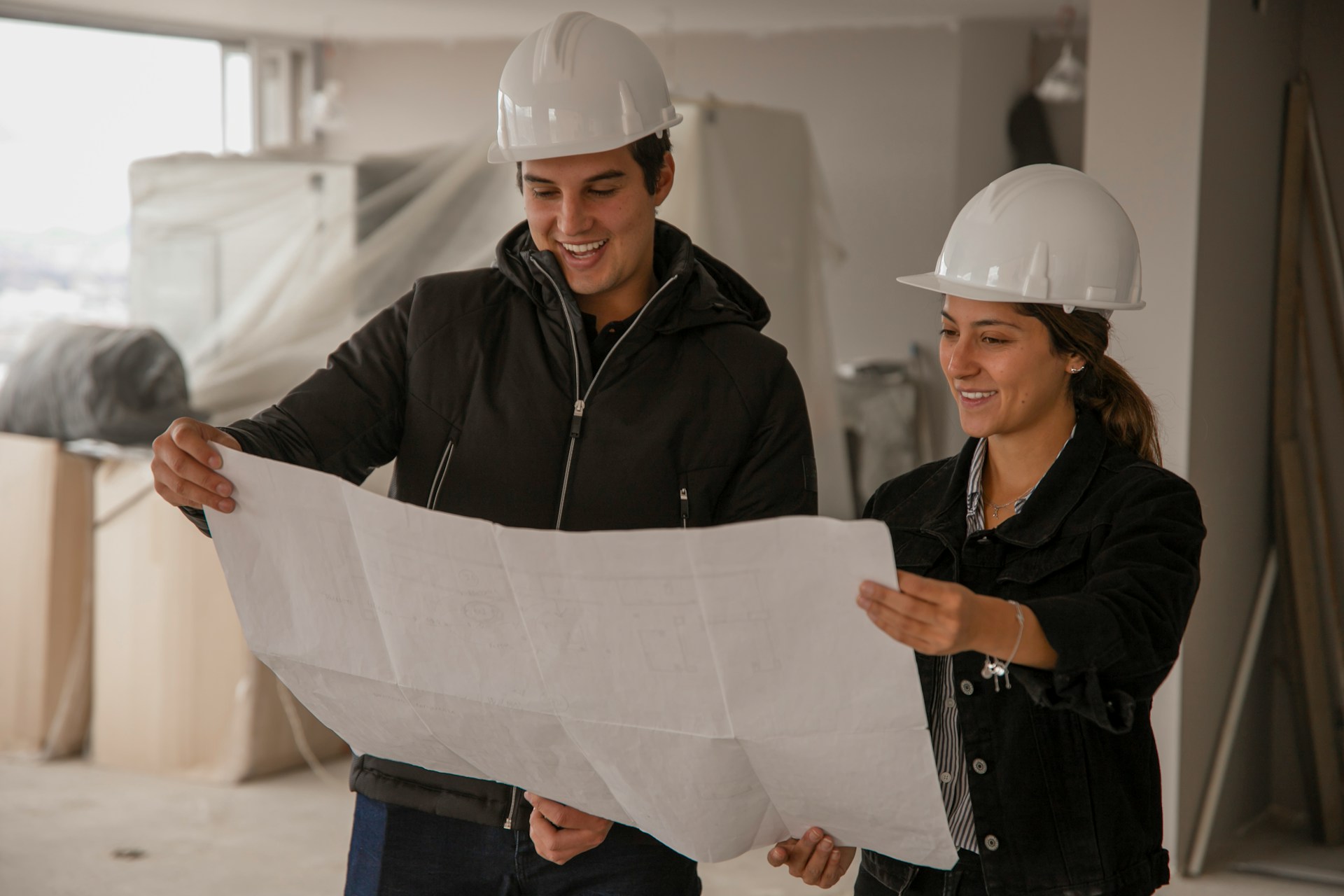
Inspections typically start with a review of the building plans. This ensures that the construction aligns with the designs approved by building authorities. As construction progresses, inspectors conduct site visits at key stages such as the laying of foundations, framing, plumbing, and electrical work.
Each inspection focuses on specific elements:
1. Foundation: Inspectors check for cracks or uneven settling, ensuring stability.
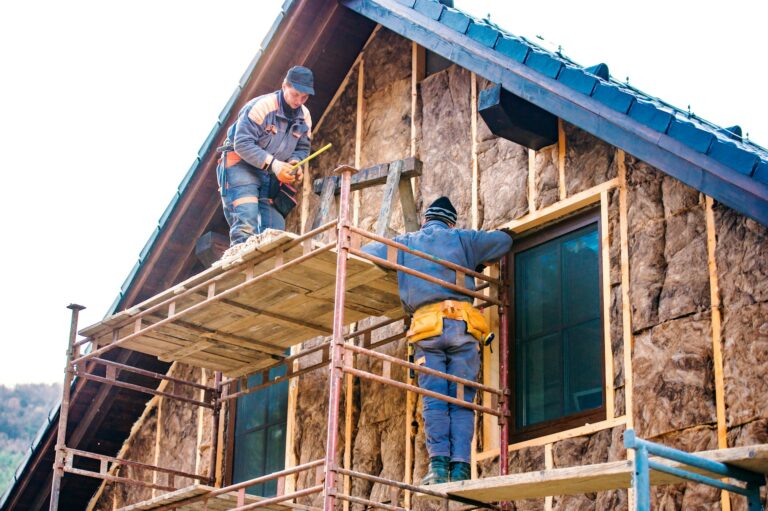
2. Framing: The structural framework is reviewed for alignment and proper installation.
3. Roofing: Roof cover and roof plumbing is reviewed for its effectiveness in keeping the building watertight.
4. Plumbing and Electrical: Inspectors verify that these systems are correctly installed and safe.
5. Waterproofing: Cabinet and appliance installation is checked at the same time as making sure that waterproof membranes meet Australian Standards.
6. Finishing: Final checks ensure that finishes meet quality standards and safety regulations.
During these visits, inspectors document any issues and provide guidance on how to correct them. This documentation is essential for ensuring ongoing compliance with safety codes and construction standards. By following this process, inspections maintain the integrity and safety of building projects from start to finish.
Key Elements of Quality in Construction Projects
Quality construction projects rely on several vital elements to ensure successful outcomes. These components go beyond mere compliance with building codes. They focus on achieving excellence in every aspect of the construction process.
1. High-Quality Materials: Using top-grade materials is crucial for durability and longevity. Inspectors check that the materials meet industry standards and are appropriate for the specific use.
2. Skilled Workmanship: The expertise of the builders plays a significant role in quality construction. Inspectors ensure that work is executed correctly and adheres to the design plans.
3. Accurate Planning and Design: Accurate and detailed plans provide a strong foundation for quality work. These plans must be precise and reflect all requirements of the project, and show details that actually meet Australian Standards.
4. Safety Protocols: Adherence to safety guidelines protects both workers and future occupants. Inspections verify that safety measures are in place and effective.
These elements work together to create quality in construction projects. Inspectors focus on these areas to maintain high standards and ensure that each project stands up to rigorous evaluation. By emphasising these key elements, inspections contribute meaningfully to producing safe, reliable, and high-quality buildings.
How Inspections Contribute to Building Safety
Inspections are crucial in ensuring the safety of a building. They help detect hazards and address potential risks before they cause harm. By systematically evaluating each part of the construction process, inspectors play a key role in maintaining safety standards.
Inspectors focus on various safety aspects:
1. Structural Integrity: They check that beams, walls, and supports are properly installed and capable of bearing the intended loads. This prevents structural failures that could lead to accidents.
2. Fire Safety: Inspections verify that materials and systems adhere to fire safety regulations. This includes ensuring proper installation of fire doors, alarms, and escape routes.
3. Electrical and Plumbing Safety: These systems are inspected to confirm they meet safety standards, preventing fires, leaks, and other hazards.
4. Adherence to Codes: Inspectors ensure that all work complies with the latest building codes, which are designed to protect occupants’ safety and health.
By catching these issues early, inspections prevent incidents and costly repairs. They ensure a safe environment for both workers during construction and occupants once the building is complete.
Long-term Benefits of Regular Construction Inspections
Regular construction inspections offer numerous long-term benefits beyond immediate safety. They ensure that buildings remain sound and functional for years, preserving their value and utility.
1. Durability: By using high-quality materials and proper construction methods, inspectors help ensure the building stands the test of time, reducing maintenance needs.
2. Cost Savings: Early detection of issues through inspections avoids costly repairs in the future. This can significantly reduce expenses over the building’s lifespan.
3. Regulatory Compliance: Regular inspections ensure ongoing compliance with building codes and regulations, avoiding fines or penalties.
4. Market Value: Well-inspected buildings maintain their market value better, as adherence to quality and safety standards is a huge selling point.
5. Tenant Satisfaction: Buildings that follow inspection protocols offer better living or working conditions. This can lead to higher satisfaction and increased retention rates for tenants.
These benefits highlight the importance of making inspections a regular part of any construction project. They safeguard against potential problems and enhance the life and value of a building.
Conclusion
The role of inspections in quality construction cannot be overstated. They are an integral part of ensuring that buildings are not only safe but also of high quality. Inspections help maintain standards by checking each stage of building work, from the foundation to the finishing touches. By doing so, they prevent problems and save time and money in the long run.
Inspections contribute significantly to the overall safety of a building. They ensure structural integrity and protect against hazards like fires or electrical failures. Inspections also play a crucial role in quality assurance, ensuring that materials and workmanship meet the necessary standards. Moreover, by catching issues early, inspections prevent future problems and extend the life of a building.
When you are looking to build or renovate, choosing thorough and regular inspections will safeguard your investment. Buildings benefit from increased durability, ongoing compliance with building codes, and better market value. For any construction project, ensuring regular inspections is not just a good practice—it’s a necessity.
For expert inspection services that ensure the quality and safety of your construction projects, consider working with ABBC Building Inspectors. Our building inspections in Perth provide peace of mind, knowing that your project is in capable hands. Let us assist you in achieving the high standards necessary for successful and enduring construction.