
Spotting Poor Craftsmanship During Under Construction Inspections
Spotting poor workmanship during a construction project can make a huge difference in avoiding unexpected costs and ensuring the final structure is safe and durable. When builders don’t adhere to quality standards, the consequences can be both immediate and long-term, leading to structural issues, cosmetic flaws, and even safety hazards. This is why it’s important to identify poor work early in a project, as it saves both time and money.
In Perth, where construction projects are consistently on the rise, the need for comprehensive inspections is more important than ever. An independent building inspector can be a valuable part of this process, providing an impartial assessment to ensure that all work meets the necessary standards. They have the expertise to notice the fine details that can escape the untrained eye, providing peace of mind that a project is on track.
Key Indicators of Poor Workmanship
Identifying poor workmanship can sometimes be as straightforward as noticing what doesn’t look quite right. Here are some clear signs to watch for:
1. Uneven Surfaces: If walls or floors don’t appear straight or level, it could indicate deeper problems. These misalignments might lead to structural issues down the line.
2. Improper Alignment: Doors and windows should fit snugly within their frames. Any trouble in opening or closing them suggests potential issues with alignment or measurement.
3. Visible Gaps: Spaces where there shouldn’t be any, like between tiles or at the seams of fixtures, signal potential shortcuts taken during installation.
Other times, indicators may not be immediately obvious. Materials that seem mismatched or finishes that appear rushed are subtler signs of poor work. For example, variations in paint texture or colour might hint at careless application, which can compromise the building’s aesthetic and integrity.
Paying close attention to these details is essential. Being aware of these signs helps prevent problems from escalating and ensures the construction meets high standards. Spotting them early leads to prompt action to fix small issues before they morph into bigger ones, ultimately supporting a better outcome for the project and future occupants.
Common Areas of Concern During Under Construction Inspections
When inspecting a building during construction, some areas require particular attention to catch potential issues early. One significant concern is the foundation and structural integrity of the building. It’s vital to ensure that these base elements are sound because they support the entire construction. Any shifts or misalignments detected here could lead to serious problems, causing delays and additional costs.
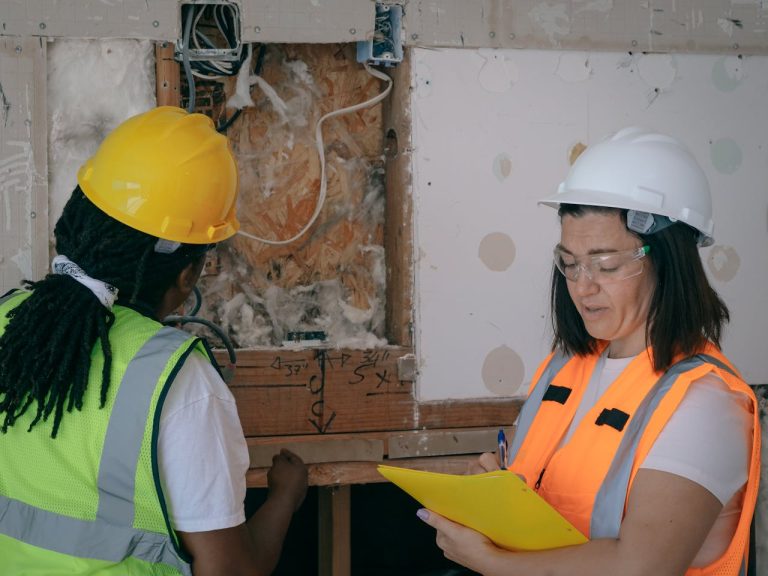
Electrical and plumbing installations also demand close scrutiny. These systems, though hidden behind walls, play crucial roles in the safety and functionality of a building. Faulty wiring or poor plumbing setups can have far-reaching impacts, including safety hazards like electrical fires or water damage. Making sure these elements are correctly installed is essential to prevent future headaches.
The materials used in construction need careful evaluation and be used according to the manufacturer’s requirements. High-quality materials laid down competently ensure durability and longevity. Using substandard materials might save money in the short term, but often leads to long-term issues requiring costly repairs. Checking that these resources fit their intended use and are installed correctly helps maintain high construction standards.
The Role of an Independent Building Inspector
An independent building inspector offers an impartial view that’s free from the biases of those directly involved in the project. This impartiality is key because it provides an honest assessment of the construction quality absent any conflicts of interest. An independent inspector is experienced in spotting discrepancies that others might overlook, ensuring that the building process adheres to all standards and regulations.
Hiring an independent inspector often leads to discovering minor issues before they blow up into major setbacks. For example, an inspector might catch a mismatched joint or a poorly laid base that could compromise the structure’s stability. Addressing these problems early avoids costly revisions and keeps the project on schedule.
These professionals also bring peace of mind to everyone involved. Builders, investors, and future occupants can feel more confident in the quality of work, knowing that a skilled expert has verified each step. This assurance can be particularly valuable in places like Perth, where construction projects are plentiful, and competition for quality work is high.
Steps to Ensure Quality Workmanship Throughout the Project
To maintain quality workmanship, it’s important to regularly inspect and monitor the work as it progresses. Consistent check-ins and evaluations can catch mistakes early and keep the project on the right track. Keeping open lines of communication with builders also helps avoid misunderstandings and ensures everyone remains aligned on expectations and standards.
Detailed contracts specifying workmanship expectations and responsibilities can prevent headaches down the line. Such agreements provide a clear framework, so there’s no room for cutting corners or skipping steps. Regular updates and a clear understanding of roles ensure that the project flows smoothly.
Using checklists and guides to standards and tolerances is a practical way to keep standards high throughout the process. These tools offer a reference point for both inspectors and contractors, serving as reminders of what to look for at various stages. Consistent follow-ups on identified issues, using these guidelines, confirm that corrections are made promptly and correctly.
Ensuring a Successful Construction Project
To recap, spotting and preventing poor craftsmanship is easier with regular inspections and attention to key construction areas. Early intervention is key to catching problems before they grow, saving time and resources in the long run. Throughout the construction process, having a professional verify that work meets all necessary standards is invaluable.
Proactive measures, like employing an independent building inspector and establishing clear communication with builders, contribute greatly to the success of construction projects. By ensuring that every step from foundation to finish is meticulously checked, a project not only meets current standards but is also built to last.
Ultimately, quality workmanship results in a better building for everyone involved. Whether it’s a new home or a commercial space in Perth, focusing on these aspects during construction sets the stage for a safe, durable, and aesthetically pleasing outcome.
Planning a construction project in Perth? Having an independent building inspector on site helps ensure every stage of the build meets the right standards. With experienced oversight from ABBC Building Inspectors, you can move forward with confidence knowing your project is being carried out with care, clarity, and consistent quality.