
What a Pre Purchase Electrical Inspection Covers for Buyers
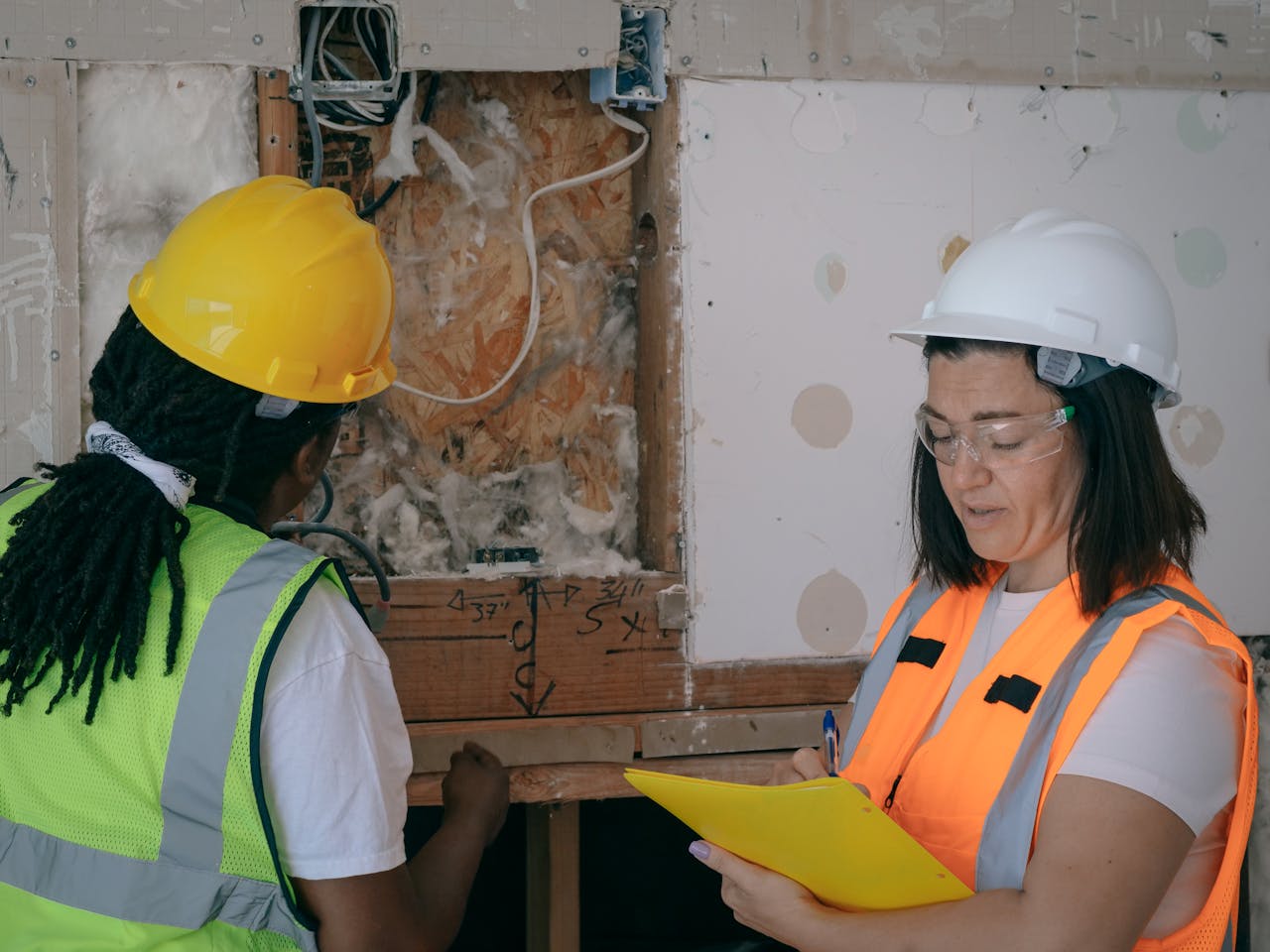
When buying a home in Perth, most people are quick to focus on cracked walls, shifting slabs, or rooflines. But what’s wired behind the walls often tells you more about how liveable and safe that house really is. A pre-purchase electrical inspection gives buyers the chance to see what’s happening beneath the surface.
Late April means cooler mornings and darker evenings across Perth. That’s when heaters are switched on more often, lights stay on longer, and clothes dryers start getting heavier use. These everyday changes can quickly expose weak spots in the electrical setup. For homes still under construction or recently completed builds, this is when you want to know the work was done properly. It’s not just about ticking off compliance, this inspection helps prevent those sudden flickers, surges, or outages that can make a new home feel unfinished even after moving in.
Why Electrical Safety Matters Before Settlement
Before keys change hands, each part of the home should meet Australian safety standards. Electrical systems are no exception and are checked as part of the building handover, but that process doesn’t always catch everything.
It’s not unusual for final electrical work to be squeezed into the last few days before practical completion. With subcontractors working across different trades, things can get missed or rushed. Switches might be left untested. Circuits may not have been balanced correctly. Sometimes, parts meant to be temporary end up staying because no one had time to finalise them.
These aren’t the sort of problems you want to find once your fridge stops running or the hallway lights short out. Hidden faults don’t just raise headaches. They carry real safety risks, especially in homes occupied by children, grandparents, or tenants who expect things to just work. Fixing these after handover can become expensive and time-consuming, especially if roof spaces or concrete slabs need to be accessed again to get to the wiring.
What Inspectors Actually Look For
We check more than just whether a light turns on. A proper inspection can paint a clearer picture of how solid the electrical setup really is. Our checklist usually includes:
- Condition of the main switchboard and whether breakers are correctly labelled
- Proper placement and function of safety switches
- Visual checks on cabling integrity, where possible
- Secure fitting of power points, lights, and switches
- Signs of overheating or poor connections in fuse boxes
- Whether load demand and power distribution match the layout of the home
Access matters. In finished homes, we’re limited to visible signs and what’s accessible without removing walls or ceilings. In under construction homes, we can often confirm whether cable paths were laid correctly or if high-load areas like kitchens have been wired to take appliances they’re meant for.
Common Problems Found in New Builds
Just because a home is fresh does not mean it is flawless. We have seen new builds come through with surprising issues that would not show up until appliances were plugged in and used at full draw.
Here are examples of what goes wrong:
- Untested circuits that trip the switchboard when load is applied
- Incomplete fittings left to be “finished later” but forgotten before handover
- Overloaded lighting schedules not matched to switchboard capacity
- Downlights without thermal protection too close to roof insulation
- Earth wires poorly secured or missing altogether from outdoor fittings
These things happen when trades are juggling too many deadlines or a final walkthrough does not get the attention it should. A missed inspection puts pressure on buyers after settlement and often shifts repair costs onto them, instead of the builder, where they might have belonged.
Autumn in Perth and Electrical Load Shifts
Late April in Perth is when the start of real seasonal change is seen. The weather hasn’t turned cold yet, but it’s heading that way, with heaters, dryers, and electric blankets all coming out again. This change in how power is used can catch some homes off guard, especially if systems were not set up with seasonal demand in mind.
Poor planning during the build might mean a single circuit carries too many outlets. A safety switch might be installed but fails to trip fast enough under sudden load. We have seen lights flicker or pulse because wiring was not correctly rated for the wattage spread across open-plan areas. These are not always noticeable until you start using the house the way it was built to be used.
A pre purchase electrical inspection done near the end of April is timed well to catch these kinds of load faults before winter sets in. It provides better context than an inspection done mid-summer when load is lighter and demand is different.
The seasonal shift can highlight design flaws or installation errors that weren’t obvious before. For instance, households may experience uneven power distribution when running multiple appliances at once. This situation can go unnoticed in periods of low demand but becomes very clear as soon as family routines change and the home’s electrical system is tested more rigorously during colder months.
Choosing this time of year for an inspection means inspectors can better evaluate if the system is ready for the next season. They might observe how multiple heaters affect voltage stability, or whether bathroom heat lamps draw too much power from nearby circuits. Inspections can also identify risks like tripped breakers or overloaded switches that could lead to inconvenience or costly repairs after you move in.
How an Electrical Report Helps Buyers Make Clearer Choices
Getting the report in your hands before settlement means fewer surprises later. Buyers want peace of mind and to avoid the cost of calling in trades later to fix things that could have been sorted early.
A well-written inspection report can help in a few key ways:
- Spells out what was working, what needs repairs, and what could become a bigger issue
- Acts as documentation for claims under new home warranties
- Supports insurance discussions if there is a later dispute about electrical faults
- Helps guide negotiation with builders before settlement is finalised
It also helps speed up settlements. If a buyer is waiting on that last approval and the electrical report holds something up, it is far better to flag it early than be the one delaying handover.
The inspection report’s thoroughness means buyers have all the details they need to ask the right questions before finalising their purchase. If an issue is noted, negotiations with the builder follow a more structured path, since everyone is aware of what needs to be completed or something that requires a retest. Additionally, having evidence of the property’s electrical state on hand protects the buyer if issues emerge after moving in. This kind of foresight pays off in reduced stress, less unexpected cost, and a smoother transition into the new home.
Some buyers, especially those purchasing properties to rent out or accommodate elderly relatives, appreciate the specifics included in these reports. Knowing that all the wiring and outlets are safe and reliable offers reassurance that their investment will be protected and that future occupants will be safe.
Know What You’re Buying Before You Plug In
A pre-purchase electrical inspection gives buyers more than just a checklist of problems. It tells you whether the home’s most used system, its power and wiring, can handle actual day-to-day life. That includes toast in the morning, a dryer after work, and heating overnight.
New homes in Perth often look polished upfront, but behind the switches and sockets, there is sometimes work left unfinished. Doing these checks before move-in gives us the chance to raise faults with the builder early while it is still their responsibility to fix them. As autumn moves on, getting ahead of those seasonal loads will make a big difference come winter. Starting with solid electrical checks makes the rest of the home feel ready too.
At ABBC Building Inspectors, we understand that electrical issues can remain hidden until systems are running at full capacity. Our trusted electrical partners’ inspections go beyond surface checks to review work behind the walls, especially in newer homes where last-minute tasks might be overlooked. With our detailed reports, you will know what is safe, what needs attention, and what could become a problem after you move in. While a property is still being built, a pre-purchase electrical inspection gives you the chance to assess everything while it is accessible. Contact us to put you in touch with our trusted electrical partners to arrange your inspection today.