
Working With Property Inspectors During Construction
Building a home or starting a construction project is exciting, but it comes with a lot of moving parts. You’ve got plans, tradespeople, materials and a timeline you’re hoping doesn’t blow out. One part that can help everything go smoother is having a property inspector on board during the build. They act as another set of eyes, spotting things early and helping make sure each stage is completed the right way.
In Perth, construction projects have to meet a range of requirements, from slab work on sandy ground to systems built for our local weather. A property inspector in Perth understands these conditions and steps in at key moments to check that what’s getting done meets the right standards. Their involvement means there’s less chance of problems piling up or shortcuts going unnoticed, which is something no builder or future homeowner wants.
Starting Your Construction Project With Confidence
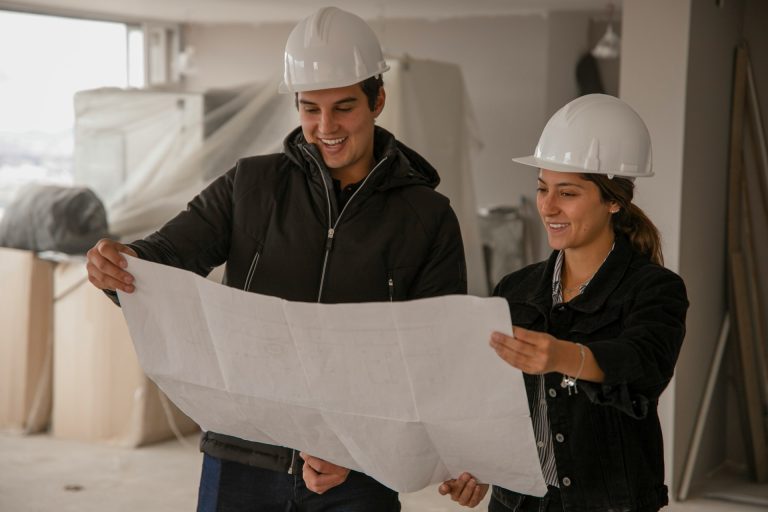
The early stages of a build often get overlooked because everything still feels like it’s on track. Dirt is being moved, trenches are dug and foundations are getting prepped. But this is exactly when small mistakes can turn into bigger problems later. At this stage, having a property inspector in Perth involved can make a real difference.
Before any concrete is poured, the inspector checks that the groundwork has been properly done. They look at the soil, make sure drainage is in place, confirm that levels are correct and assess whether the site setup works with local conditions. Perth soil is tricky in some areas. Loose, sandy ground can shift more than expected, which makes proper compaction and layout very important.
Here’s what inspectors usually review at this phase:
1. Site preparation, including slope and drainage
2. Trench sizes, spacing and layout for plumbing or electrical
3. Soil stability and suitability for the slab
4. Placement of steel reinforcement and vapour barriers
5. Formwork measurements and alignment
Spotting issues here saves time later. For example, if your slab shifts after it’s poured because the ground wasn’t levelled and compacted right, it can lead to cracks in floors and walls. Fixing that after the house is built is a nightmare. But if it’s picked up before the pour, it’s just a quick correction.
It also gives builders confidence. Once the slab is given the green light by the inspector, trades can move ahead with construction knowing that the groundwork beneath them is solid. This helps the whole site stay on schedule and reduces the chance of needing to go back later and redo anything.
Ensuring Quality During Structural Work
After the slab is laid and cured, framing and load-bearing parts of the build begin. These are key components that shape the entire structure. This stage gets busy, which makes inspections even more useful. A fresh set of eyes can catch what those working on it day in, day out might not notice straight away.
A building inspector in Perth checks whether the framing has been done to match the design and meets current codes. They also make sure key elements are strong and in the right positions. If walls or roof trusses are even slightly off, it can affect everything else, from how windows and doors fit to how weight is supported through the house.
Common issues inspectors watch for include:
1. Wall frames that are out of square or not properly fixed
2. Incorrect spacing of support studs
3. Misaligned roof trusses or bracing
4. Signs of warping, moisture or wood deterioration
5. Missing tie-downs or cyclone straps
It’s also at this point that homes start to take shape, so it gets easier to see if everything’s lining up as it should. If a master bedroom wall is one window width off or a hallway is narrower than planned, it’s better to find that now than once the plaster’s already up.
Inspections during this part of the build offer reassurance. You know the bones of the house are solid and done right. That’s particularly helpful in Perth, where afternoon breezes or coastal wind conditions can test a home’s structural strength over time. Making sure those frames and supports are right from the start saves headaches later.
Major Systems Installation And Inspections
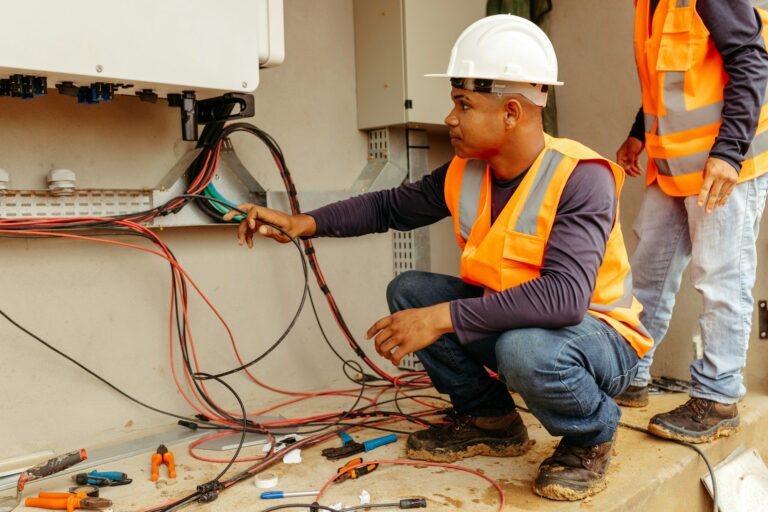
Once the frame is up and secured, the next big job is getting the essential systems in place. That includes plumbing, electrical wiring and HVAC systems, all of which need to run safely and correctly behind the walls. These installations happen quickly and often overlap with other trades, so it’s a good time to bring in a building inspector in Perth to double-check the work while it’s still exposed.
During this stage, the inspector checks if each system follows the building plan, has been installed with care and works the way it should. Overlooking these details at this point can mean serious repairs down the road.
Here are a few areas a property inspector reviews during this stage:
1. Plumbing rough-ins: correct pipe placement, pressure testing, waste and vent systems
2. Electrical: circuit layouts, cable protection, safety switch positions and separation of services
3. HVAC: ductwork placement, flow efficiency and safe clearance around equipment
A common problem here is poor spacing around fittings. Taps, lights or vents might be installed too close to walls or beams, making them hard to use or forcing future repairs. Even things like a bathroom fan venting into the ceiling space instead of outside where it is a requirement can get missed in the rush.
Once walls go up, finding and fixing these kinds of mistakes becomes harder and more expensive. Having an experienced inspector offer detailed feedback now gives the builder the chance to make changes quickly and easily without cutting into finished work later.
Final Stages And Pre-Handover Checks
As the finish line gets closer, the focus moves to the visual side of things: cabinetry, tiles, fittings and paint. At this point, it’s tempting to think the hard part’s done. But it’s exactly when close inspection matters the most to check that looks don’t hide faults.
A property inspector in Perth at this point checks both the functional and cosmetic details of the build. They don’t just see if something looks good. They make sure it opens, closes, turns on, lines up and locks the way it’s meant to.
Things usually reviewed during this phase include:
1. Doors and windows: alignment, hinges, locks and seals
2. Water pressure in taps, showers and toilets
3. HVAC and exhaust fan performance
4. Appliance installation in kitchens and laundries
5. Finish quality of tiles, skirting, walls and ceilings
6. Smoke alarms, power point locations and light switches
Even small things like uneven flooring or paint touch-ups can matter to a new homeowner. These last checks are where small problems and oversights are picked up before they become bigger issues after handover.
Take waterproofing, for example. If the seal around a shower recess wasn’t applied properly, it might not be obvious at first. But water can seep behind walls and cause damage over weeks or months. Fixing it early, while warranties and trades are still active, saves major work down the line.
Why These Checks Pay Off in the Long Run
Getting a house built in Perth takes a mix of skill, plan-following and coordination. Alongside all that, regular input from a property inspector helps make sure each step stays on track. From turning soil to turning on the lights, inspections keep things running right and avoid those post-build regrets.
Having someone review every stage from prep to finish helps catch errors when they’re still small and easy to fix. It also lifts the overall confidence going into final stages and handover. You’re not just taking someone’s word that it’s done properly, you’ve had it checked.
For both builders and owners, this means fewer disputes, less need for call-backs and a smoother path to that final day when the keys are handed over. In a city like Perth, with its mix of site conditions and build styles, having expert inspections adapted to the location just makes sense.
A good build is more than ticking boxes. It’s about knowing every brick, board and beam has been seen, tested and confirmed. A property inspector in Perth makes that more likely with every round of checks. That kind of peace of mind is worth the time, and the results speak for themselves.
With every phase of construction, the importance of having a property inspector in Perth becomes clear. Their expertise helps catch issues early and ensures your build progresses smoothly. For those seeking comprehensive checks, ABBC Building Inspectors offer inspections that keep your project on track. Trust in their services to give you peace of mind and a quality outcome for your new home.