
Risk Assessment in New Electrical Systems
When a new home is under construction, electrical systems often don’t get as much attention as they should. Everything may look complete on the surface, but behind the walls, there could be issues waiting to cause problems. Electrical risk assessments help uncover faults early, long before they lead to fire hazards or electric shocks. This part of the process matters, especially in new builds where even small mistakes can carry big consequences.
For homebuyers in Perth, understanding how electrical systems are checked during construction is a smart move. It makes a difference when it comes to safety, cost, and peace of mind. A proper inspection can save you from being stuck with faulty work that’s hard to chase down later. Consistent checking through each stage of the install helps make sure everything’s working as it should and meets the latest standards.
Why Conducting a Pre-Purchase Electrical Inspection Matters
Newly built homes often come with shiny finishes and polished features, but that doesn’t mean everything behind the walls is perfect. Electrical systems are complex, and it’s sometimes hard to spot problems until something fails. That’s why a close inspection before committing to a purchase is worth your time.
There are a few reasons why a thorough check before buying matters:
– Finding faults early
Loose wires, poor connections, or rushed work won’t always show up right away. But they can become safety risks if they’re left unnoticed. Electrical inspections during construction allow these problems to be flagged before they become costly or dangerous.
– Following the rules
Australian electrical standards are there for a reason. A build might look solid, but unless the work is checked, it’s hard to say if it’s actually compliant. Inspections help confirm that everything meets the current requirements and has been installed professionally.
– Avoiding extra costs
Discovering an issue after the house is finished can lead to major repair work. Sometimes it means cutting into fresh walls or redoing entire sections. Fixing things early is usually easier, cheaper, and more straightforward.
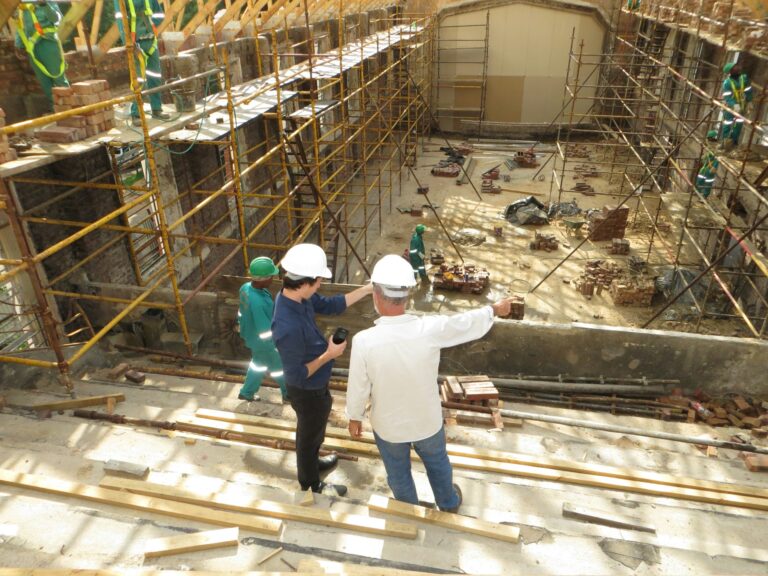
Picture a couple deciding to buy a brand-new home in the greater Perth area. Everything seemed in place, but they made sure to have the electrical layout inspected during its final construction phase. The inspector found an overloaded circuit that wasn’t obvious from outside. They were able to raise this with the builder and get it fixed immediately with no delays and no future dramas.
Inspections like that are more than just a checkbox. They’re a way to make sure you know what you’re walking into, especially when it comes to something as important, yet hidden, as your home’s power supply.
Key Components to Inspect in New Electrical Systems
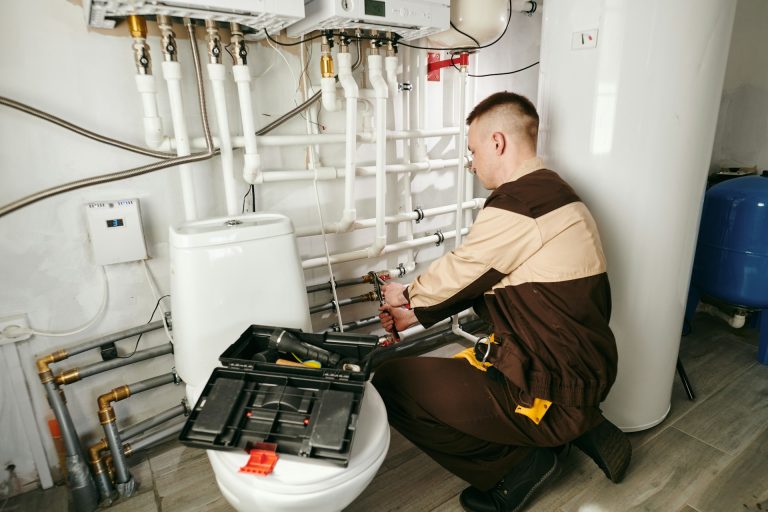
When inspecting new electrical systems in any build, it’s not just about checking if the lights work. There are layers of tasks involved to ensure all parts are safe, working correctly, and installed in line with current standards. Here’s what qualified electricians focus on:
1. Wiring and cabling
Loose, damaged, or poorly connected wires can be dangerous. Inspectors look at routing, junctions, and connections throughout the structure. It’s also important to check if the right type of cable has been used for the right space.
2. Switches, sockets, and outlet installations
These seem simple but can be hot spots for problems. Sometimes too many connections are forced into a single point. Placement and operation of each switch and outlet are checked to make sure there’s consistency, stability, and no risk of short circuits.
3. Switchboards and circuit breakers
This is the nerve centre of the home’s electrical system. Inspectors check that breakers are clearly labelled and functioning as expected. They also confirm if there’s space for circuit expansion in the future and that safety switches are in place.
Each of these areas comes with its own challenges if done wrong. Whether it’s a rushed install or outdated parts being used, these things eventually cause trouble. The goal of inspecting new systems is to lock in safety from the start and to keep future inconveniences out of the picture. When done properly, the process helps give a new home a strong and reliable electrical base to build on.
Common Risks Found in New Electrical Systems
It’s easy to assume that a brand-new home is free of electrical issues, but that’s not always the case. Work done in a rush, miscommunication between trades, or even improper material use can lead to unsafe risk points within the electrical setup. Some of these can go unnoticed until they cause real trouble down the track.
Here are a few risks that inspectors regularly find in newly built homes:
– Fire hazards from faulty wiring
Cables that aren’t correctly secured or are too close to insulation can overheat. Small errors in wiring layouts can create a real fire risk, especially when appliances start drawing their usual loads.
– Shock risks from poor outlet installation
If sockets aren’t securely fixed or the wiring behind them isn’t grounded properly, people could be exposed to electric shocks. It’s not just inconvenient. It’s dangerous.
– Overloaded circuits
Multiple large appliances wired to a single circuit without enough capacity can cause the breakers to trip again and again. That’s usually a sign of poor planning or an attempt to cut corners during the install.
These problems often come up when a builder doesn’t bring in licensed electricians at every stage or skips thorough checks. Even one missed detail during construction can have long-term effects. An inspection helps stop these problems before power is ever switched on.
Benefits of Professional Electrical Inspections
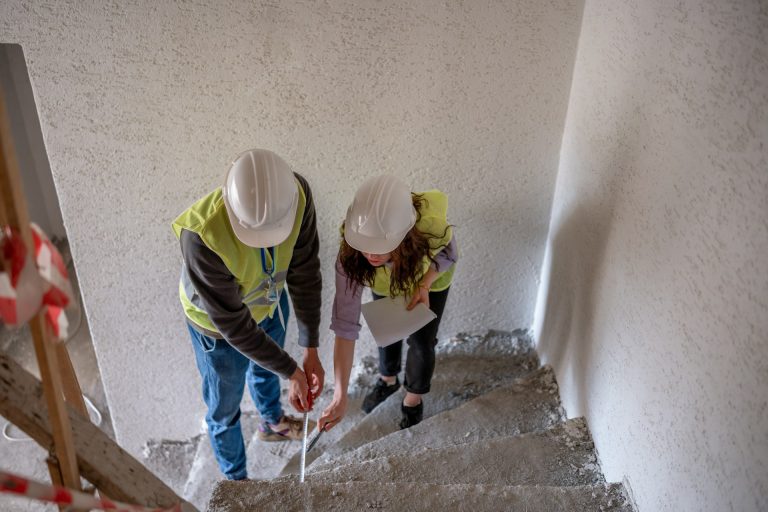
Having a certified inspector go through the electrical system before you move in isn’t just being fussy. It’s one of the smartest things a buyer or builder can do. A professional inspection looks beyond surface appearances and focuses on the safety, design, and compliance of the setup.
Here’s what a professional check brings to the table:
– Peace of mind that the work was done by the book
– A second set of expert eyes to pick up anything that got missed
– A clear record that electrical systems meet Perth and national compliance codes
Catching issues early can save people from expensive repairs, conflict with builders, or even injury. And since Perth has its own climate demands and building patterns, it makes even more sense to work with experienced local inspectors who understand those specifics.
An example that stands out involved a build where the circuit panel had been installed correctly, but the circuits behind some key kitchen outlets weren’t matched to their labels. A minor mistake, but one that could leave the wrong switches flicked in an emergency. The inspector caught this during a final walkthrough before settlement. It was fixed on the spot.
These kinds of finds don’t just improve safety. They make life easier for owners in the long run.
Staying Safe with Regular Electrical Maintenance
New electrical systems benefit from the same kind of care you’d give to your car or plumbing. Just because something once passed inspection doesn’t mean it will keep running perfectly forever. Knowing what to look for and getting regular checks in place can help protect everything that relies on those circuits.
A few tips for keeping things in top condition:
– Book periodic inspections after construction, especially in the first year
– Watch for flickering lights, burning smells, or warm outlets
– Keep switchboards clear and easily accessible, not buried behind furniture
– Watch out for tripped breakers or power points that stop working suddenly
These warning signs might seem small, but they’re usually your home’s way of asking for help before something gets worse. A qualified inspector can compare how the system is holding up compared to how it was originally installed and help you make a plan for upkeep.
Maintenance isn’t just about reacting to problems either. Having a structured check-up every couple of years is a proactive way to extend the life of the system while avoiding panic repairs. It also keeps your property safer through Perth’s warmer months when air conditioners and appliances are working harder.
What This Means for Your Perth Home
When you’re buying a new build, electrical safety should be right up there on the list with structure and plumbing. Electrical checks often happen quietly, but their impact is anything but minor. A well-inspected home means fewer headaches and a lot less risk for future surprises.
Taking the time to confirm the condition of power systems before settling gives you firm ground to work from, whether you’re moving in or planning small upgrades later on. It’s not about being cautious. It’s just practical. Especially when you’re dealing with something as invisible and as important as the wires running behind the walls.
In Perth’s growing neighbourhoods where new homes are being added every month, inspections aren’t just about proving things were done right. They help define how safe and functional your home will be for the years to come. Whether it’s for family safety or just knowing everything runs as expected, proper electrical risk assessment helps you step confidently into your next chapter.
To make sure your new home in Perth is safe and free of electrical faults, getting an under-construction electrical inspection during the build is a smart step. ABBC Building Inspectors can direct you to electrical contractors that can help you catch issues early and ensure your power setup meets safety standards, so you can move in with confidence and peace of mind.