
What to Expect From a Strata Inspection in Perth Summertime
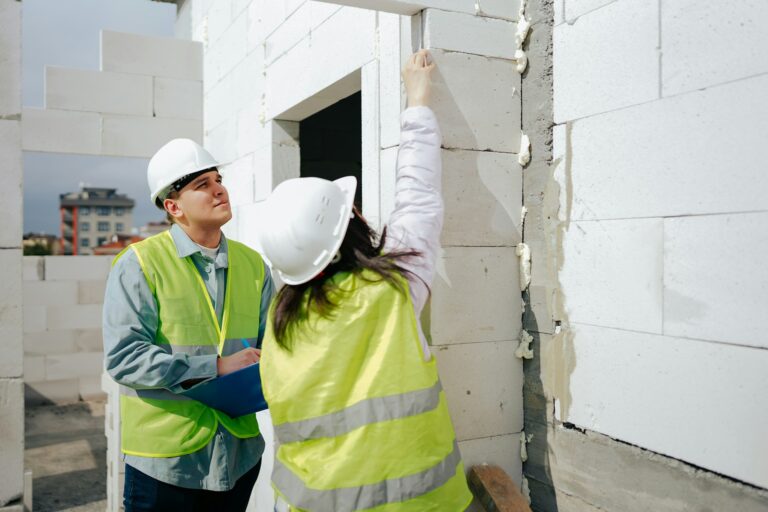
When we carry out a strata inspection in Perth during late summer, we’re looking at a building that’s just been through its most intense season. The sun’s been sharp, the days long, and temperatures high. These conditions can reveal a lot about how well a building holds up. That’s why inspections in February often give us a clearer picture of surface wear and stress points that haven’t shown up in the cooler months.
This time of year is perfect for checking over shared spaces, especially in older buildings or those with exposed features like balconies and rooftop structures. We focus on wear that can worsen fast if it’s ignored before the next change in weather. Whether it’s faded paint, loose seals, or tired looking timber, these clues point to areas that need attention. Late summer is also when residents have likely been using spaces more often, which helps us spot early signs of fatigue in systems like cooling or drainage.
Why Summer Is the Right Time to Look Closer
Heat does more than make buildings uncomfortable. It speeds up wear on external surfaces and the materials that hold everything together. Perth’s summer brings not just high temperatures, but strong UV rays and dry wind. Together, they can cause all kinds of silent damage that isn’t always easy to spot until it’s grown into a bigger problem.
- Coatings start to crack and lift from metal railings or roofs when exposed for too long
- Paint fades, bubbles, or peels on sun-facing walls and timber trims
- Rubber seals shrink or harden, letting in water once the weather changes
- Concrete joints and exposed tile edges begin to shift from repeated heat expansion
That’s why late summer is a practical time to inspect. The signs are clearer, repairs can be planned ahead of wetter months, and problems are easier to access while surfaces are dry. We’re not racing rain or moisture, which gives owners and committees more time to act.
What Inspectors Typically Look For
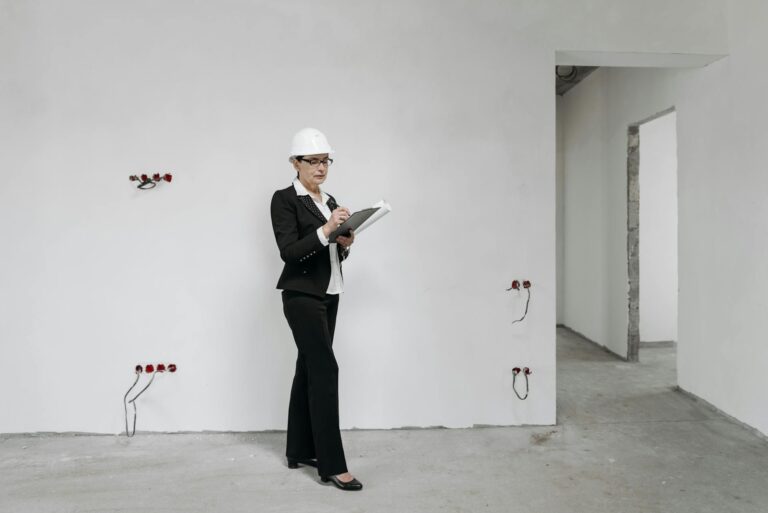
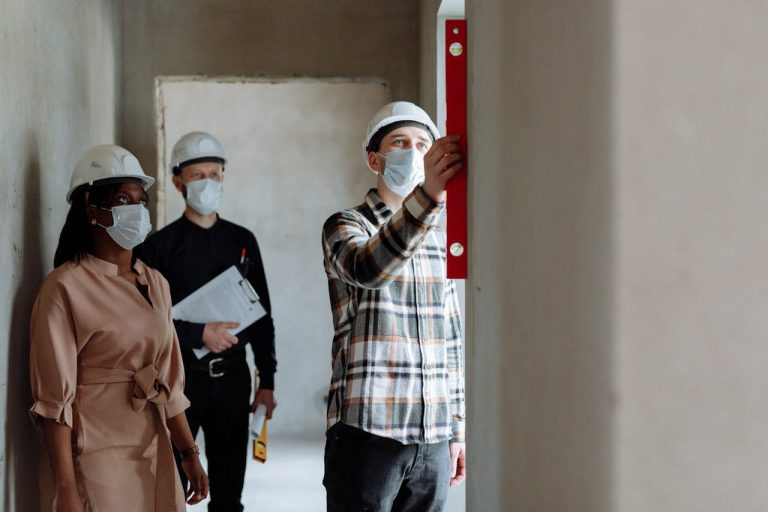
When we step into a strata site, we’ve got a checklist shaped by seasons, building size, and shared features. In summer, inspections tend to include the areas that receive the most stress or use.
- Roof linings, flashing, and tiles where heat causes early wear
- Balconies, balustrades, and concrete landings where movement or cracking appears
- Entries, stairwells, and internal walls that may show signs of moisture or age-related fatigue
- Electrical boxes or ducts with loose seals and worn insulation
- Ventilation and air conditioning systems that have been working overtime
We’re checking not just what’s on the surface, but what might sit underneath, like rot under decking or expansion cracks that haven’t reached the surface yet. And because people are using these buildings more in summer, any new faults are easier to trace. Higher use can uncover issues before they become active hazards.
Common Faults Found in Perth Strata Properties
There’s a pattern to certain building faults that show up after Perth’s summer. The heat pushes materials to their limits, especially on the outside of the property. Paintwork and seals take a beating, while cooling systems and older surfaces begin to wear out.
- Render and cement surfaces start to flake or split where they’ve been baked by the sun
- Window seals dry out and lose grip, especially fibre-based ones left uncoated for years
- Steel handrails or gates rust faster when finishes wear down from UV and salt
- Paint bubbles on timber, exposing the wood to possible water entry
- Air exhausts, vents, and fans gather dirt or overload due to steady summer use
Drainage is another issue we spot often. Guttering fills with dry debris while downpipes go unchecked for months. The trouble is, these problems often don’t appear until one big storm arrives. At that point, backlog and blockage trigger bigger repairs that could have been simple clean-ups.
Planning Repairs Before Weather Shifts
We often remind committees that spotting a problem is only the first step. Getting it fixed needs its own timeline. Booking trades, ordering parts, or putting funds together can take time. That’s why we treat February inspections as a chance to stay ahead.
- Surface repairs like sealing, coating, or trimming are best done dry
- Jobs can be grouped together without rain interruptions
- Trade schedules are less packed than in late autumn or winter
By acting in February, there’s space to plan properly. No rushed patch-ups. No last-minute scrambling because a leak started. When we spot issues now, they can be sorted before the weather pushes them further.
Putting Inspections Into a Long-Term Strategy
A good strata maintenance inspection should do more than flag quick repairs. It becomes a base for long-term thinking. Reports help set priorities across the year, giving committees a working schedule to plan upgrades, preventive work, and reserve fund use.
- Regular inspections reveal patterns in building wear
- Reports help coordinate with contractors and align job timing
- Upkeep becomes predictable instead of reactive
This is especially helpful in shared buildings that have been around for a while. Many already have ageing components that just need to be managed smartly. Summer surfaces may look fine for now, but repeated seasonal damage adds up fast when left unchecked.
A Smarter Way to Handle Seasonal Strata Wear
Summer ends quickly in Perth. By autumn, moisture finds every weak spot heat has opened. That’s why conducting strata inspections now gives us the best view of how buildings are holding up. We’re not looking for ways to make changes, we’re reading the signs already written in faded paint, worn tiles, and swelling timber.
At ABBC Building Inspectors, we include key checks for gutters, rooflines, seals, and overall structure as part of our summer strata inspections in Perth, all conducted by a registered builder inspector. Our detailed reporting gives strata managers an easy way to prioritise repairs before costs climb.
After another long, dry Perth summer, it’s important to check how much wear your building has endured before autumn arrives. Small cracks or worn seals can quickly become bigger issues once the rain sets in. Booking a well-timed strata inspection in Perth means we can spot potential problems early while everything is still accessible and dry. At ABBC Building Inspectors, we help strata managers and owners identify the warning signs that matter, saving you from unexpected costs down the track. Call us today to arrange your inspection.