
Preventing Water Damage with Proper Inspections
Water damage can cause serious problems if not dealt with swiftly. Even a small leak can lead to big issues like structural damage, swelling and cracking or harmful mould growth. Understanding the risks and consequences of water damage is crucial to keeping buildings safe and dry.
Effective inspection techniques and tools can catch hidden problems that aren’t immediately visible. Professionals use specialised equipment to uncover water damage issues. By taking these steps, a building’s health can be maintained, saving money and hassle in the long run.
Understanding Water Damage and Its Risks
Water damage occurs when water intrudes into a building where it shouldn’t be, leading to deterioration. It can harm both the structure and the contents of a building. When left unchecked, water damage weakens wood, corrodes metal, and damages other materials. Understanding the effects and sources of water damage is critical to preventing these problems.
Several common sources of water damage affect buildings. Leaks are a major contributor. These can come from faulty plumbing, worn-out fixtures, or damaged roofs. Poor drainage is another common problem. Water that doesn’t properly drain away from a structure can seep into foundations, causing cracks and instability. Additionally, construction errors, such as improper seals around windows and doors, can allow water to enter unchecked.
The consequences of water damage are significant. Structural deterioration is one of the biggest risks; this includes damage to walls, floors, and ceilings. Mould growth is another serious concern. Mould thrives in damp, warm environments and can spread rapidly, posing health risks and damaging materials. Understanding these risks is key to preventing extensive damage and costly repairs.
Key Inspection Areas to Prevent Water Damage
Regular inspections can prevent water damage by identifying problem areas early. Focusing on key areas helps ensure that potential sources of water damage are addressed promptly. Here are some essential areas to inspect:
1. Roofing: Check for missing or damaged shingles and ensure that flashing is secure.
2. Plumbing Systems: Look for leaks in pipes and check the condition of water heaters and fixtures.
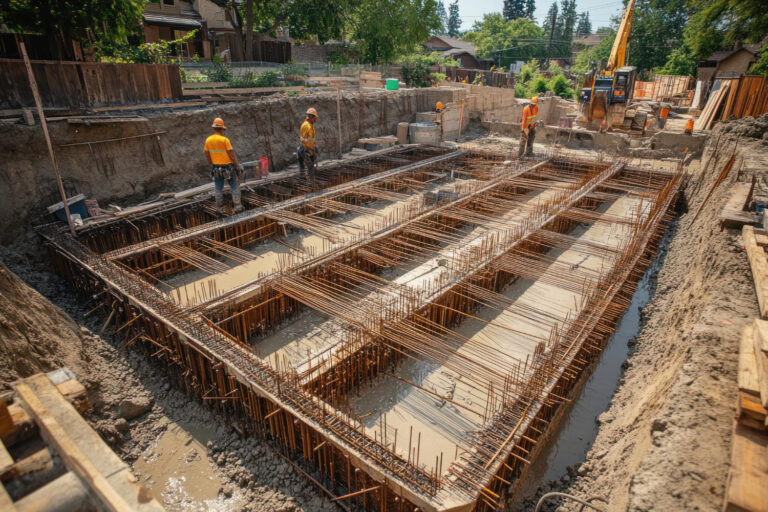
3. Basements and Foundations: Inspect for cracks and signs of seepage that might compromise structural integrity.
4. Seals and Caulking: Ensure that seals around windows and doors are intact and replace them if necessary. Know where to seal them so as not to seal water in.
5. Gutters and Downspouts: Confirm that gutters are clear and directing water away from the building.
Checking these areas helps maintain proper water flow and prevents water from entering where it shouldn’t. Proper grading around the building is also essential. It ensures water drains from the foundation, keeping it dry and stable. Identifying vulnerabilities early can help avoid extensive damage, saving time and money.
By thoroughly inspecting these areas, buildings can better handle water challenges and significantly reduce the risk of water damage.
Effective Inspection Techniques and Tools
Inspecting for water damage requires the right techniques and tools to ensure accuracy and thoroughness. Moisture meters are commonly used tools that help detect the presence of moisture in areas not easily visible to the naked eye. These meters can pinpoint dampness in walls, floors, and ceilings, which indicates potential water damage.
Thermal imaging is another tool in an inspector’s toolkit. It uses infrared technology to capture temperature variations in building materials. This method helps identify leaks and areas of poor insulation that can lead to moisture problems. By detecting these issues early, thermal imaging helps prevent further damage.
Regularly scheduled inspections play a significant role in safeguarding buildings against water damage. They ensure that small problems are caught and fixed before they become major concerns. Having a routine inspection plan lets property owners maintain their properties’ health and value over time. Implementing these effective techniques and tools brings peace of mind and protects investments from unforeseen water damage threats.
Benefits of Professional Water Damage Inspections
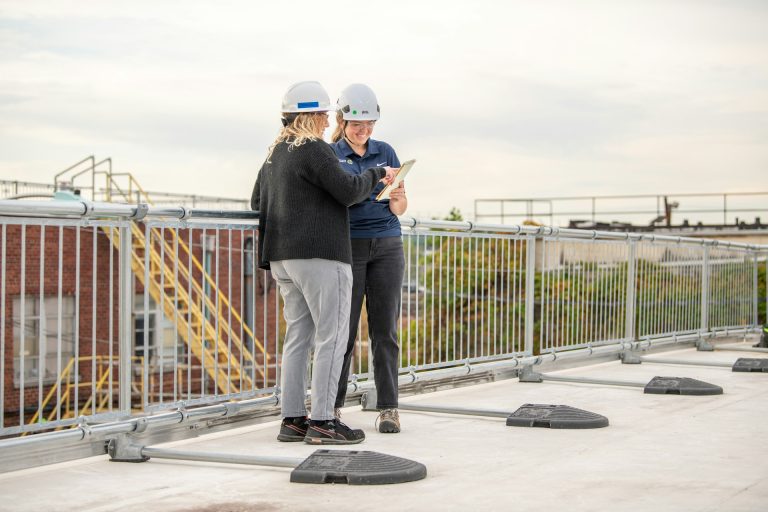
Hiring professionals for water damage inspections offers several benefits. Experts bring a wealth of skills and knowledge, allowing them to uncover and address potential issues efficiently. They have an eye for detail and the experience needed to spot problems that might go unnoticed by the untrained eye.
Professionals use advanced tools and methods, ensuring inspections are thorough and accurate. They follow a systematic approach, checking every possible problem area to ensure nothing is missed. This thoroughness means they can suggest preventive measures to avoid future damage.
Engaging professional services for inspections also contributes to long-term building health. By identifying and fixing issues early, professional inspections prevent costly repairs and protect the property’s structural integrity. They help maintain the property’s value, making them an excellent investment for property owners.
Conclusion
Preventing water damage is crucial for maintaining buildings’ safety and value. Effective inspections can identify potential water damage risks early, allowing for timely interventions. Property owners can safeguard their investments and avoid unexpected repair costs by focusing on critical areas and employing proper tools and techniques.
Professional water damage inspections offer the expertise and precision to manage these risks effectively. They provide comprehensive evaluations contribute to the building’s overall health and longevity. Regular inspections ensure small problems do not escalate, thus protecting the property for years.
Consider professional inspection services for effective building maintenance. ABBC Building Inspectors offers expert assistance in addressing and preventing water damage. Contact us today for reliable building inspections in Perth that keep your property safe and secure and ensure it stands strong against potential water threats.