Problem Areas in New Construction Projects
Building a brand-new home or commercial property in Perth can be exciting, but it can also come with some unknowns. Everything might appear spot-on at first glance, but what you can’t see is often where the real trouble starts. Defects in construction don’t always jump out, especially when a project is still underway. That’s why regular checks during the build are one of the smartest things you can do. They help catch problems early, before they turn into bigger, costlier headaches.
Construction defect inspections are a way to make sure you’re not left with unexpected repair jobs once everything’s finished. Whether you’re a future homeowner or a property investor, having another set of trained eyes on the site can make all the difference. From tricky framework issues to sneaky plumbing faults, some defects get buried under finishes before they can be fixed. Perth’s building conditions, codes, and materials all play a role in what problems might show up, so it helps to know what to look out for during each key stage of the build.
Common Structural Issues
Structural defects are one of the most serious problems in new builds. If the bones of the building aren’t right, everything else is at risk. These issues usually come from poor workmanship, rushed timelines, or a lack of proper oversight during key stages of the build.
What makes them tricky is that many of these problems get covered up as construction progresses. Once plasterboard goes in, it’s hard to spot things like:
– Poor load-bearing walls
– Uneven slab foundations
– Incorrect framing or spacing of structural timber
– Movement or warping of steel components
These kinds of defects might not be felt right away, but over time, you’ll start to see cracked walls, sagging roofs, or sticky doors and windows. Not only is this frustrating, but fixing it later is expensive and time-consuming.
That’s why checking the foundation and framework during construction is so important. Getting this right means the rest of the build sits on solid ground. For example, we once inspected a project in the northern suburbs where the slab looked fine from the outside, but it had uneven thickness across sections. It would have caused long-term settling and damage if it hadn’t been caught.
Spotting these types of problems early gives the builder a chance to correct them straight away and stay on schedule, which is much better than dealing with repair work once someone’s already moved in.
Plumbing and Electrical Concerns
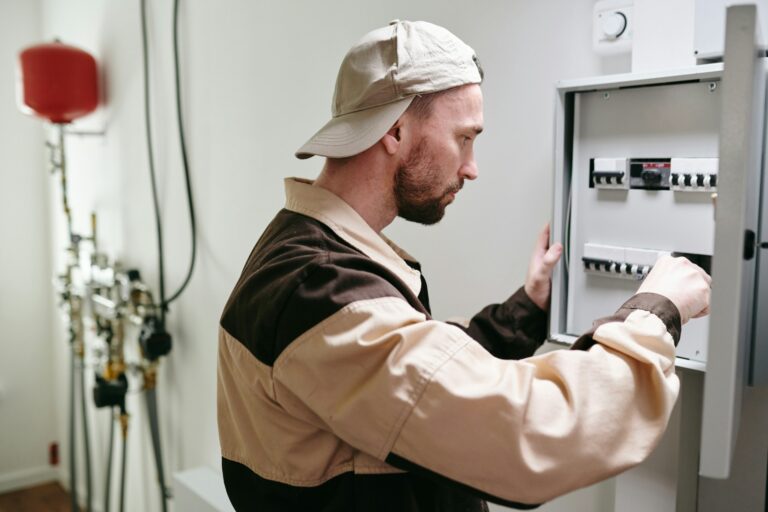
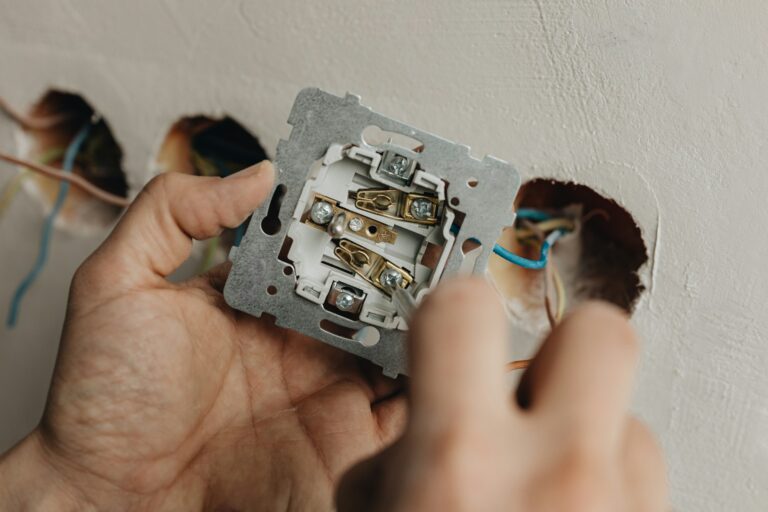
Plumbing and electrical work hides behind walls, so if something’s been installed poorly, you often won’t know until appliances fail or water starts leaking. Unfortunately, by that time, the damage is already done. During construction, these systems need a close look before they’re sealed off.
Here are some of the most common plumbing and electrical issues found on Perth building sites:
– Plumbing pipes not securely fixed or levelled
– Wrong fall in drainage lines causing slow water movement
– Loose or unsecured wiring
– Poor placement of electrical outlets or light points
– Incomplete switchboard setups or mismatched circuit loads
If these things go unchecked, even a basic issue like a leaky pipe can lead to mould, swelling flooring, or damage to cabinetry. Electrical faults are a bigger risk, sometimes leading to outages or worse.
During active construction, the benefit is being able to access these systems easily. Pre-line inspections give time to move, secure, or rework anything that’s not up to scratch. That saves future headaches and gives you confidence that your plumbing will flow as it should and your lights will switch on when they’re meant to. Catching these faults before they’re behind walls is far easier than tearing those walls back open later on.
HVAC and Insulation Problems
A poorly installed HVAC system or substandard insulation might not seem like a big deal during the build, but both play a big role in how comfortable and efficient a home turns out to be. In Perth, where temperature swings can be noticeable, these systems need to work well from the outset.
Typical HVAC issues during construction include:
– Loose ductwork and disconnected vents
– Units installed with minimal access for servicing
– Improper placement of return air vents
– Systems that are poorly sized for the space
Insulation has its fair share of issues too, especially when it’s rushed or left to the last minute. Gaps in the roof or wall cavities, inconsistent application in hard-to-reach places, or even missing sections behind obstacles can hurt thermal performance over time. That leads to higher energy bills, extra strain on the cooling system, and inconsistent room temperatures.
The good part? These are all fixable if caught early. During an under-construction inspection, it’s easy to check roof batts, ceiling ducting, and wall cavity fills before plaster and paint seal everything off. One inspection in Perth’s eastern suburbs revealed half the insulation was left out due to a last-minute schedule shuffle. Spotting that in time meant it was installed properly, rather than having the owners discover the issue during the first heatwave of the season.
An inspection at this stage doesn’t only improve comfort later. It lays the foundation for a properly working home that’s cheaper to run and easier to maintain through the seasons.
Poor Cosmetic and Finish Quality
A building might be structurally sound, but if the finishes are rushed or patchy, the end result doesn’t feel quite right. Cosmetic details might seem low on the priority list during construction, but poor workmanship in visible areas can lead to frustrating and expensive rework later.
Some of the most common cosmetic defects found during construction include:
– Misaligned tiles or inconsistent grout lines
– Streaky or patchy paintwork
– Cabinets and benchtops that aren’t level or square
– Gaps between skirting boards and flooring
– Scratched windows, dented doors, or chipped fixtures
Once the final stages of construction are underway, everything starts to come together quickly. That speed, though, is where shortcuts often happen. It’s easy for small workmanship issues to pile up. These missteps affect how the property looks and feels, especially when you’re walking through it for the first time with the keys in hand.
Inspecting cosmetic elements before handover gives builders time to patch, repaint, polish, or replace what’s needed without major disruption. It’s a lot more cost-effective to repaint a wall during the build than after someone’s already moved the furniture in.
Even if most of the home feels solid, mismatched tile edges or uneven cabinets can stand out, and buyers often notice these things first. A close look at the finishes during late-stage inspections helps make sure the whole property looks as complete and polished as it’s meant to be.
Making Sure Everything Comes Together as Planned
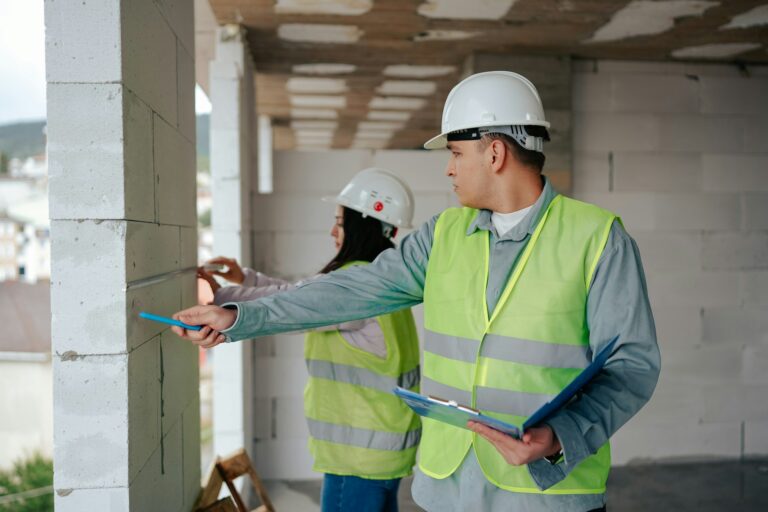
A construction inspection schedule shouldn’t wait until the last few weeks before handover. Checking different parts at the right times during the build is the key to finding faults when they’re easiest to fix. These inspections help keep work on track and improve long-term satisfaction once the work is done.
In places like Perth, where local conditions and council codes influence a lot of building activity, understanding what to look for at each inspection stage matters even more. From slab to ceilings, electrical lines to ventilation pathways, taking a layered approach to inspections helps uncover hidden flaws before they’re tucked away out of sight.
At the end of the day, construction is a complex process. Even good builders working under pressure can miss something. That’s why it helps to have construction defect inspections at well-timed intervals to spot the gaps, hold things to the right standard, and give you peace of mind knowing your new build is ready to go without any unfinished business.
To stay on top of your build and avoid costly surprises later, schedule a thorough construction defect inspection in Perth. ABBC Building Inspectors make it easy to spot issues early so every stage of your new property is done right the first time.