Why Routine Inspections During Construction Keep Homes Safe
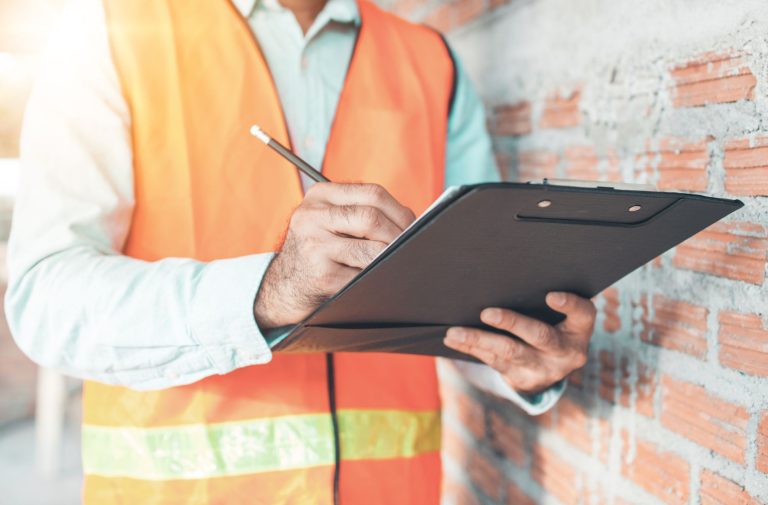
Building a home is an exciting journey, but it’s important to ensure that every step is taken with safety in mind. One way to achieve this is through routine inspections during construction. These inspections play a critical role in catching potential problems before they become major issues, ensuring the safety and integrity of the building.
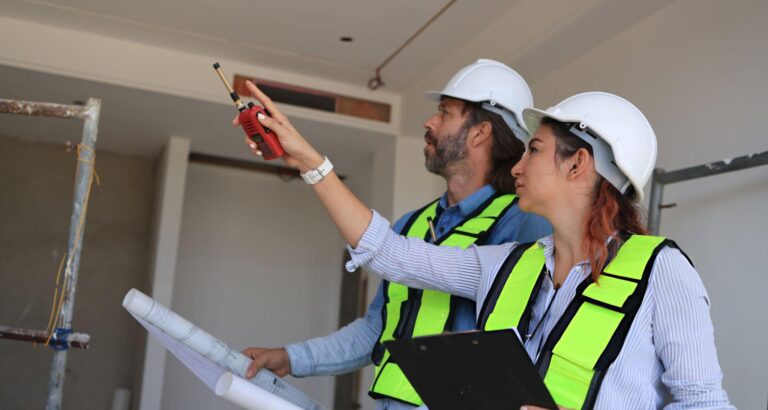
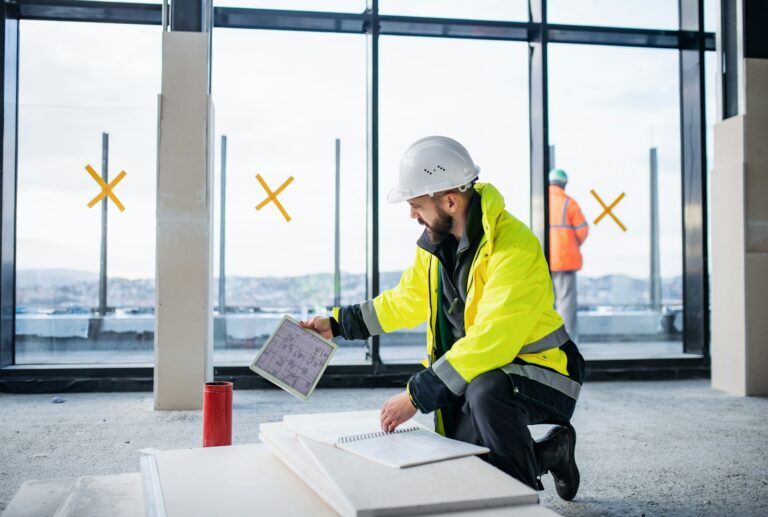
Routine inspections help ensure that all construction work meets the necessary standards and follows the relevant building codes. Inspectors check various aspects of the building process, from the foundations to the electrical systems, to guarantee everything is built correctly. This attention to detail helps identify any flaws or mistakes that could compromise the safety of the home.
By including these inspections in the construction timeline, builders can address potential issues early. This proactive approach not only helps create a safer home but also saves time and money by preventing costly repairs later. Regular checks provide peace of mind and contribute to the overall quality of the construction, making it a crucial part of the home-building process.
Importance of Routine Inspections During Construction
Routine inspections are vital in construction as they ensure everything is progressing correctly and safely. By regularly checking the work, inspectors can spot problems early and prevent small issues from turning into significant setbacks. This proactive approach helps keep the project on schedule and within budget.
Inspections during construction offer reassurance that each phase meets quality standards. For example, they verify that the foundations are laid correctly, walls are even, and the roof is secure. This attention to detail can save homeowners from dealing with future repairs caused by minor oversights that were not caught during the initial construction phase.
Beyond ensuring quality, routine inspections help meet building codes and regulations. Compliance with these standards is crucial for legal reasons and ensures the structure’s overall safety, as well as other safety issues such as balconies, stairs, handrails, scalds etc. Any deviations from these standards can lead to expensive modifications, so addressing them early in the process is beneficial.
Additionally, these inspections give confidence to all parties involved—builders, contractors, and homeowners alike. Knowing that inspections are scheduled regularly means everyone has a chance to address and solve issues promptly. Keeping everyone on the same page enhances communication, making the entire process more efficient and less stressful.
Key Aspects Checked During Inspections
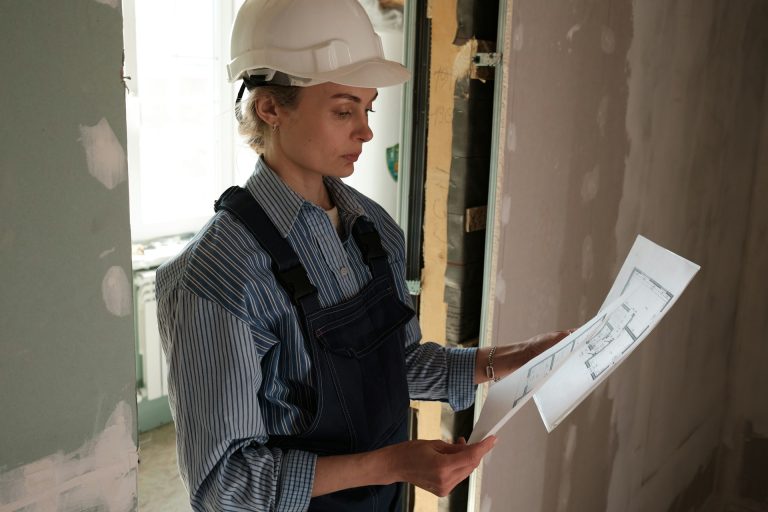
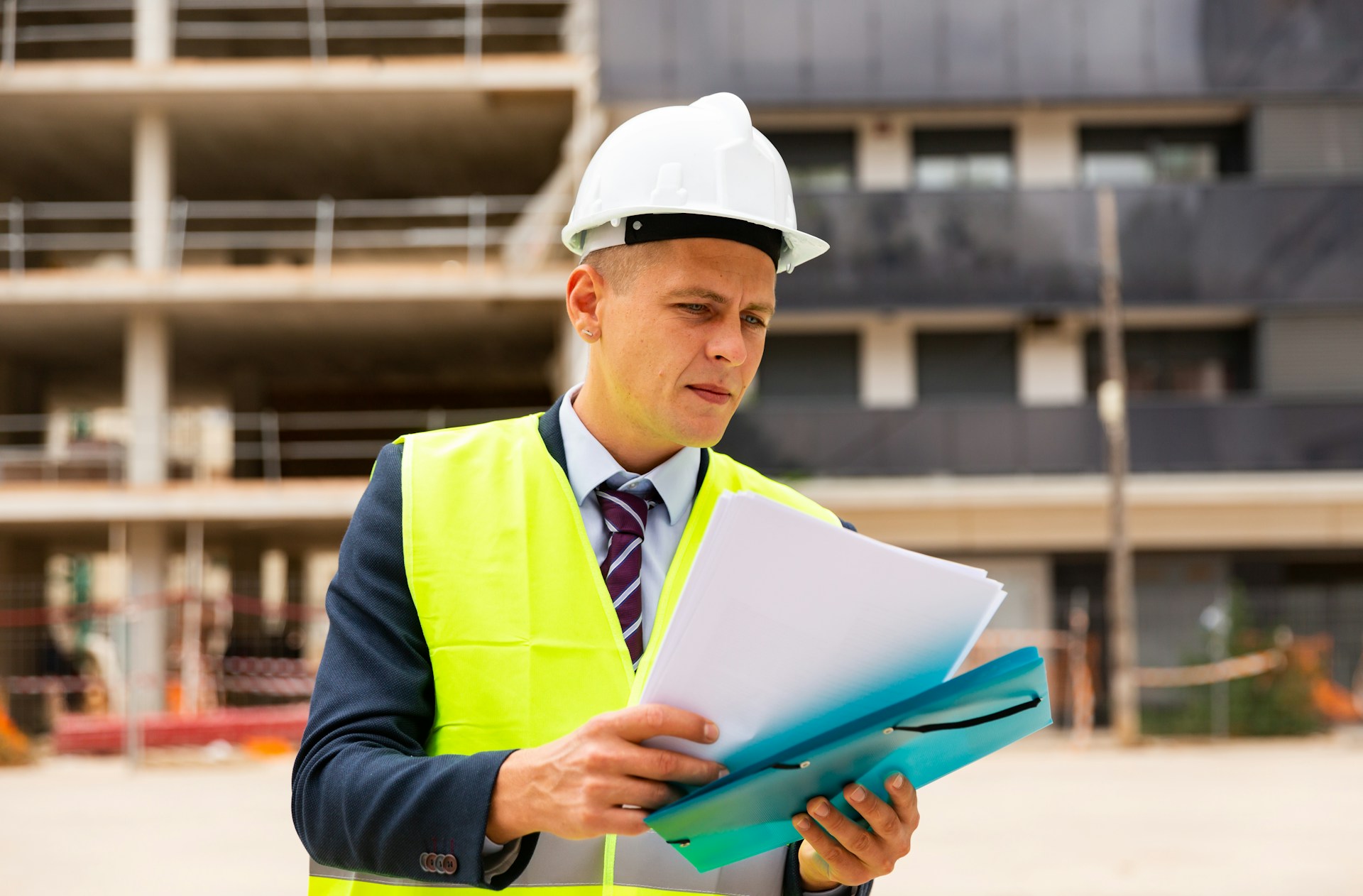
Routine inspections cover several critical aspects of construction to ensure the home is built safely and correctly. Inspectors follow a checklist, examining various parts of the building process to ensure everything is up to standard.
1. Foundation and Structure: Inspectors make sure the foundation is sound and stable. They check for cracks, proper alignment, and that the material used is of high quality. The structural integrity of beams and columns is also evaluated to ensure they can support the load.
2. Plumbing and Electrical Systems: These systems need to be installed with precision, so inspectors check for leaks and proper sealing in plumbing. Wiring is scrutinised to ensure it is safe and correctly connected, reducing the risk of future problems like shorts or fires. Water services need tempering valves to ensure babies are not scalded by hot water.
3. Roofing and Insulation: The roof must be secure, without leaks or weak spots. Inspections confirm that all roofing materials are properly installed and that insulation meets energy standards, keeping the home energy-efficient and comfortable.
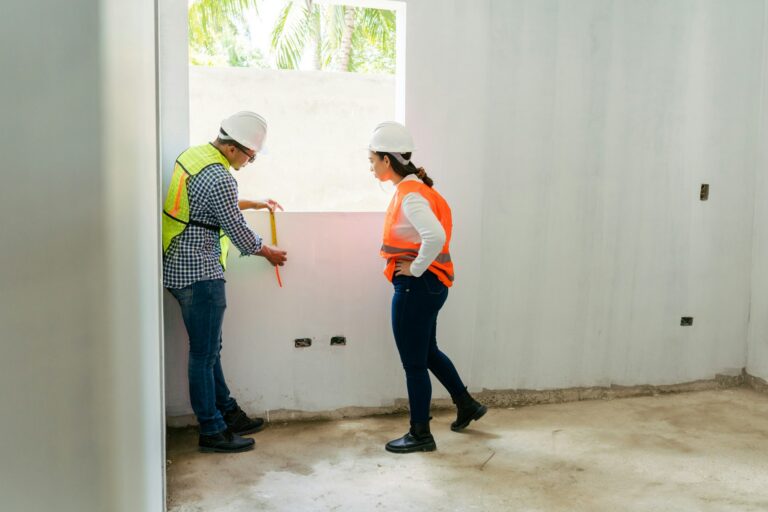
4. Window and Door Installation: Inspectors ensure windows and doors are installed correctly, aligned, and sealed well to avoid drafts and water intrusion. Proper installation also contributes to the building’s security and energy efficiency.
5. Fire Safety Measures: Inspectors check that smoke detectors and fire safety systems are installed according to regulations, ensuring the safety and protection of the occupants.
These checks ensure that the construction meets necessary standards and offers peace of mind. Proper inspections at each stage of the building process not only help catch potential issues early but also maintain the project’s integrity from start to finish.
Common Issues Found and Addressed in Inspections
During construction, inspectors often uncover a range of issues that could affect the safety and integrity of a building project. Identifying these problems early is vital to ensure long-lasting quality and to avoid costly repairs in the future.
One common issue is poor foundation preparation. Foundations that are not properly levelled or compacted can lead to uneven settling, causing cracks in walls and floors. Inspectors check the foundation during various stages to ensure that it has been constructed properly and any issues are addressed immediately.
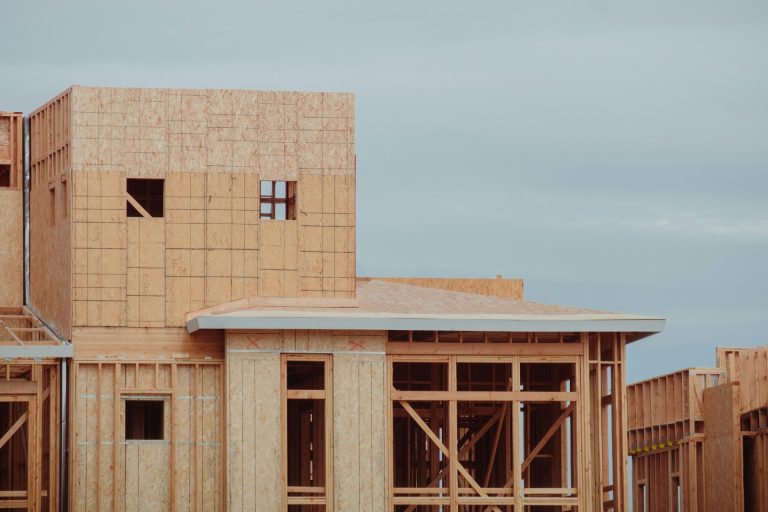
Another frequent problem involves the framing of the structure. Improperly installed or aligned framing can affect the stability of the entire building. Misaligned walls, incorrect spacing of supports, and weak connections are usually caught during inspections, allowing builders to correct them before moving forward.
Plumbing installations are another area where issues often arise. Inspectors look for leaks, incorrect pipe fittings, and inadequately sized drainage systems. Even a small plumbing error can lead to water damage, so thorough checks at this stage are crucial.
Roofing problems also come up in inspections. Loose or improperly installed materials can result in leaks or damage during severe weather. Inspectors ensure that roofing materials are correctly installed and sealed, preventing future issues.
Electrical wiring is another critical aspect inspected during construction. Improper connections or substandard materials can pose significant safety hazards, including fire risks. Inspectors verify that wiring installations meet safety standards, reducing the chance of electrical failures.
By addressing these and other issues during inspections, construction projects can proceed safely and correctly, ensuring the building is up to code and structurally sound.
Safety Benefits of Regular Inspections
Regular inspections offer significant safety benefits during the construction phase. They play a key role in spotting potential hazards and ensuring compliance with safety regulations, which are essential for the well-being of both workers and future occupants.
One major safety benefit is the prevention of structural failures. Regular inspections help identify weaknesses in the building’s structure that could lead to severe problems, like collapses or significant damage. By catching these issues early, necessary reinforcements or adjustments can be made to keep the structure secure.
Another crucial safety advantage is fire prevention. Electrical inspections ensure that all wiring and components are installed correctly and safely. Properly functioning electrical systems reduce the risk of fires caused by faulty wiring or overloaded circuits. This makes sure that the building remains safe for everyone using it.
Regular inspections also improve safety by reducing the risk of water damage. Identifying plumbing problems, roof leaks, or inadequate drainage helps avoid water damage that can compromise both the building’s structure and its indoor air quality. By addressing these issues promptly, inspectors help prevent mould and mildew, which can be harmful to health.
Furthermore, routine inspections ensure that building materials are used to code. This guarantees that the materials are suitable for their intended use and are not defective or substandard. Safe materials contribute to the overall safety and durability of the structure.
Combining these practices enhances the safety of the construction project, protecting everyone involved and ensuring that the building is safe once completed.
Conclusion
Routine inspections during construction are fundamental to maintaining safety and ensuring projects meet all standards. These inspections address common issues, such as structural weaknesses, faulty wiring, and potential plumbing problems, providing an opportunity to correct these issues before they escalate. These inspections not only safeguard those who work on the construction but also ensure future occupants live in safe environments.
Regular inspections are a proactive approach to constructing buildings that stand the test of time. They contribute to reducing risks associated with structural failures, preventing hazardous situations and lowering maintenance costs in the long term. By incorporating regular checks, builders can maintain high safety standards and quality.
For professional under-construction inspections, consider reaching out to ABBC Building Inspectors. Our experienced team is dedicated to ensuring your construction project meets the highest safety standards. Contact us today to schedule an inspection and make sure your building projects are secure and compliant.