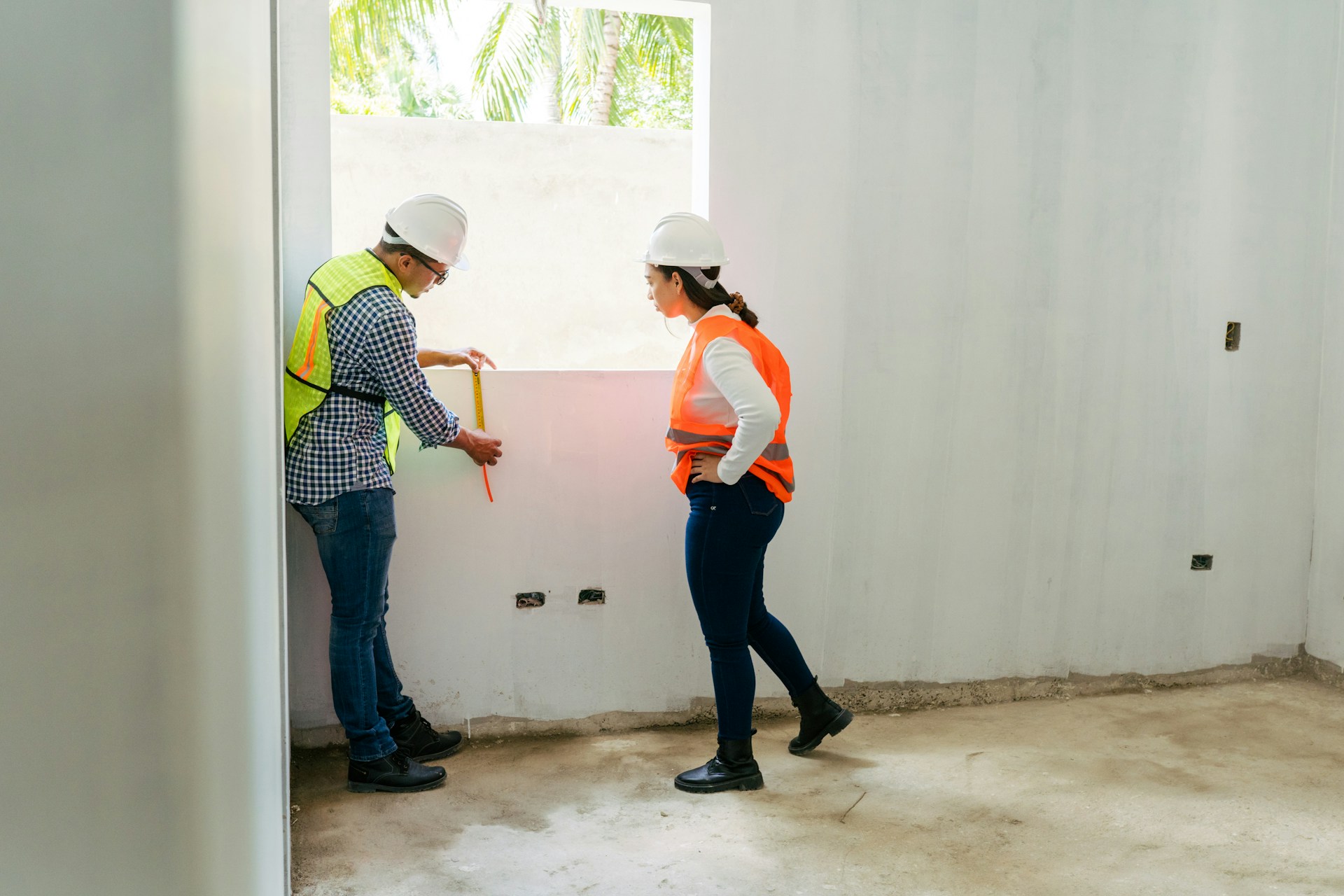
Advanced Building Assessment Techniques
Building a new home is a big deal, especially in a fast-growing place like Perth. With projects moving quickly and so many trades involved, it makes sense that every step needs to be checked properly. That’s where advanced building assessments step in. These inspections go way beyond the surface and help catch issues while they’re still easy to fix. Whether it’s a missing tie-down in the roof, uneven slab levels, or poor drainage prep, problems can sneak through if the process isn’t thorough. Long-term comfort and quality depend a lot on what gets fixed before the keys are handed over.
That’s why more people are shifting towards what’s being called Next Level Building Inspections. These go deeper into each stage of the process, using better tools and specific checks so builders, buyers, and inspectors can be more confident. It’s not just about ticking a box anymore. These assessments bring more advanced tools into play, helping to reveal issues that might otherwise stay hidden until they’re harder and more expensive to fix later. For anyone building in Perth, it makes sense to know what these inspections offer and why they’re worth the time.
Innovative Inspection Tools And Methods
There’s been a big step forward in how inspections are done these days. Gone are the days of clipboards and flashlights being the main tools on-site. Now, inspections use a mix of high-tech tools that help expose problems you’d never spot just by looking around. These tools add extra layers of info, so nothing gets missed while work is underway.
Here are a few technologies more inspectors are now using:
– Drones: Used for checking roofs, gutters, and high areas without needing scaffolds or ladders. They capture sharp camera angles from above, making it easier to spot cracked tiles or poor flashing.
– Thermal Cameras: These show temperature differences across surfaces, which may point to hidden issues like damp insulation, air leaks, or water behind walls.
– Moisture Meters: Effective at identifying damp or leaks early, especially before walls and ceilings get closed off.
– Endoscopes: Small, flexible cameras that can be pushed into wall cavities or tight spaces to view wiring, pipework, or framing that’s otherwise tucked away.
For example, one new build in Perth had passed initial checks without any red flags. But when a thermal scan was done before handover, it showed a pocket of missing insulation in an upper wall cavity. Fixing it right away meant better energy efficiency in summer and winter.
The point of using these tools isn’t just for fancy photos. They strengthen inspections so mistakes aren’t buried under floorboards or behind fresh paint. With these methods, inspectors can confidently report on areas that otherwise wouldn’t be seen at all. That’s what makes this kind of assessment feel like a step forward. It’s not just checking the obvious anymore, it’s digging deeper and being more complete.
Detailed Stage-By-Stage Inspections
A build doesn’t come together all at once. It goes up layer by layer, and each step matters. That’s why stage-by-stage inspections are one of the most useful ways to catch issues while there’s still access to fix them. Waiting until a final handover check might mean missing things hidden behind finished walls, floors, or ceilings.
Here’s a breakdown of common inspection stages for framed construction and some key things usually checked:
1. Slab Stage
– Levels and measurements are checked to match the plan
– Drainage placements and moisture barriers are reviewed
– Cracking or uneven pours can be identified early
2. Framing Stage
– Frame alignment, bracing, and truss fixings are reviewed
– Window and door openings are measured
– Plumbing and electrical rough-ins are checked for clashes
3. Lock-up Stage
– External doors and windows are in
– Weather seals and flashing are properly installed
– Brickwork, cladding, and roofing finishes are reviewed
4. Fixing Stage
– Internal fittings like cabinetry and doors are checked
– Ceilings and cornices are set
– Plumbing and electrical fit-off points are ready to be tested
5. Pre-Handover Stage
– Final finishes like tiles, paint, and floor coverings are inspected
– Compliance checks for safety rails, smoke alarms, and ventilation
– Any marks, scuffs, or minor cosmetic defects are listed
This kind of step-by-step approach not only tracks the build’s progress but also helps everyone involved stay on top of workmanship. And in cases where trades work in tight timeframes, it makes a difference. It allows smaller fixes before they lead to bigger setbacks. So when it comes time for handover, there’s less guesswork and fewer surprises. It’s all been looked at along the way.
Importance Of Expert Inspectors On Site
All the fancy tools in the world don’t mean much if the person using them doesn’t know what they’re doing. Advanced inspections rely heavily on the experience and judgement of the inspector carrying them out. That means having the right people on site, who understand both the build process and the inspection requirements at every step. It goes beyond ticking off a list. It takes someone who knows what should be happening and, more importantly, what shouldn’t.
A skilled inspector brings the ability to read the build like a story. From how the slab sits to whether the frame ties in correctly, they can spot inconsistencies and backtrack to where things might’ve gone off. They’re trained to look at connections, alignment, moisture paths, and how one trade’s work could affect another. They’re also checking for signs of shortcutting that can sometimes creep into rushed builds.
Experienced inspectors also keep up with construction codes as they change. It’s their job to know when standards shift, and how updated rules affect builds in Perth. That knowledge becomes especially important when builders follow older methods that no longer meet minimums. Having an expert makes sure these risks are caught before they become compliance problems or safety issues.
There’s a big difference between surface-level checks and thorough assessments. A builder might be able to point to progress on paper. But an inspector knows whether that progress holds up under real scrutiny. That’s what makes expert input throughout the build so valuable. It turns inspections into a proper checkpoint, not just a formality.
Why Homeowners Benefit From Advanced Inspections
For the buyer, advanced building inspections stack up big wins. It’s not just about handing over a neat defects list at the end. It’s about protecting the build quality from the start so faults don’t get buried underneath polished finishes. This approach helps avoid those hidden surprises that show up too late and cost more to deal with.
Here’s how these inspections serve homeowners long after the build is done:
– Early warning: Small framing tweaks or missed tie-downs can be picked up early before plastering or roofing is finished
– Peace of mind: Each stage is double-checked, helping homeowners feel confident things were done properly even in the areas they’ll never see
– Ongoing savings: Fixing poor drainage or insulation issues during construction means lower energy bills and fewer callouts later
– Resale value: A house built right holds its value better. Detailed inspection reports can also support a smoother sale in the future
– Avoid caretaker stress: Without stage inspections, buyers often take on the burden of chasing trades or fixing delays. Inspections take that weight off
One Perth homeowner shared how their pre-handover inspection revealed missing weep holes along brickwork. It might’ve seemed small, but ignoring it would’ve led to moisture build-up and possible internal damage. Thanks to that one check, the fix was made promptly, trouble averted before it turned into mould or worse.
These kinds of outcomes show the real benefit of monitoring the project throughout. It’s not just about finding problems, it’s having the space to sort them while it’s still easy.
Redefining Quality With Smarter Inspections
Construction in Perth keeps moving at a fast pace. With the demand for new homes growing, staying ahead means adopting smarter ways to build, not faster, but better. That’s where Next Level Building Inspections come in. They set a new standard by approaching quality checks with more depth, stronger tools, and sharper eyes at each stage.
Whether you’re building a single-storey home in the suburbs or a two-storey unit closer to the coast, deeper inspections mean fewer issues slipping through. Builders stay accountable, homes get delivered in better shape, and homeowners can settle in with fewer defects hanging over them. Everyone benefits when the process slows down just enough to include proper checks.
At the end of the day, construction inspections aren’t just paperwork. They’re a part of good building. And when they’re done using advanced tools alongside skilled inspectors, they help raise the bar for what’s considered a well-built home in Perth. With increasing focus on housing quality across the region, using this approach isn’t extra, it’s just smart planning. Advanced inspections aren’t about being picky. They’re about getting it right the first time.
Choosing the right inspection service is key to ensuring your new home is built to last. ABBC Building Inspectors can help you achieve that. Our expertise in under-construction inspections offers you Next Level Building Inspections to address potential issues early and effectively. To see how we can support your project from start to finish, explore how our inspections safeguard your investment and support a smoother building journey.