
Ensuring Proper Drainage Systems During Construction
When constructing a new home in Perth, thinking ahead about how water flows around your property is key. The city’s unique blend of sandy soils and occasional heavy rains means ensuring proper drainage during construction can prevent long-term headaches. Without the right drainage systems in place, standing water can lead to structural issues and discomfort for homeowners, affecting both the quality of the build and its longevity.
Imagine a scenario where water doesn’t properly drain away from a newly built home. It might seem inconsequential at first, but over time, this water can cause foundations to weaken and gardens to flood. By planning a robust drainage solution right from the start, you are taking an essential step in protecting your investment and ensuring your home remains strong for years to come.
Understanding The Basics Of Drainage Systems
Understanding the basics of drainage systems begins with recognizing their components and their importance. At the heart of any good drainage system is a network designed to efficiently move water away from the building. Components typically include gutters, downpipes, stormwater pits, and drains. Each part works together to keep water from collecting where it shouldn’t.
There are several solutions commonly used in residential construction. Here are a few that builders often consider:
– French Drains: These are trenches filled with gravel and a perforated pipe directing water away from key areas.
– Surface Drains: Grated channels installed near driveways or pavements to guide water into underground pipes and sumps.
– Sump Pumps: Electric pumps used on some projects to remove water collected at a low point in the building and redirect it into drainage pipes.
Proper drainage planning should be one of the first steps in a construction project. By considering aspects such as soil type and local weather patterns, you can select a system perfectly suited to your needs. Adopting the right drainage strategy early paves the way for a smooth construction process and a durable home environment.
Identifying Potential Drainage Issues
Spotting drainage problems early during construction can save a lot of trouble. Certain signs may show that a problem is brewing. Muddy areas or pools of water on the site are big indicators. If your drains appear to be sluggish or completely blocked, there’s definitely an issue. These problems can stem from various causes, such as poor site planning or mistakes in installation.
One of the most common culprits is incorrect grading, where the plumber fails to properly direct water away from the building. If water isn’t channeled correctly, it can lead to delays in the construction timeline and even increase costs as you try to fix the mess later on.
Here’s the thing: addressing these issues during construction is way easier than once the home is finished. Regular checks should be part of your building routine, ensuring that everything operates smoothly from the start. Spotting potential drainage problems allows you to act rather than suffer the consequences later.
Importance of Regular Presettlement Inspections
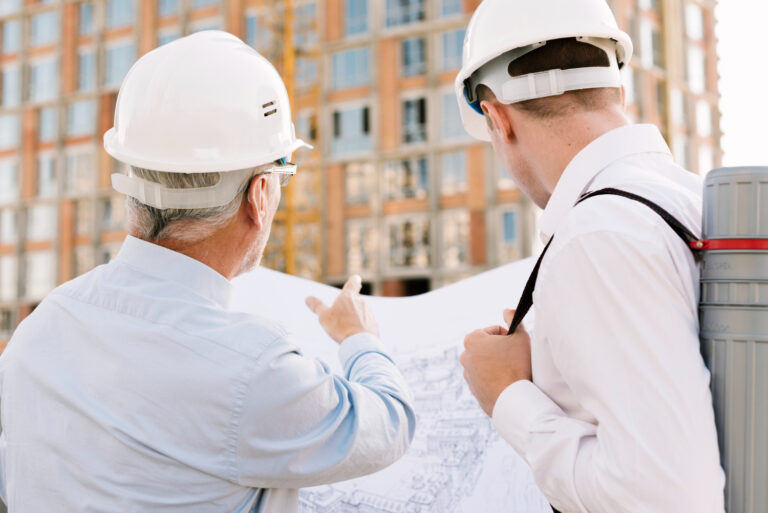
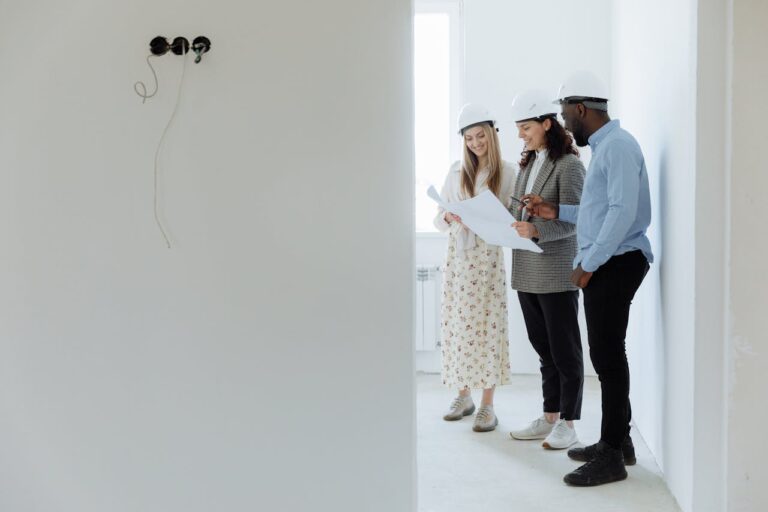
Under-construction inspections play a crucial role in maintaining strong drainage systems. These inspections occur before the final handover of a property, assessing various elements including drainage. They help to discover problems that might not be obvious during regular construction phases. By inspecting drainage systems, you can find issues with the slopes, piping, or general water flow.
Regular inspections ensure the home you’re building is not just aesthetically pleasing but also functional and problem-free. Think of it as your final chance to make sure everything is in line with your plans before the owners move in. Addressing drainage glitches at this stage secures the building’s integrity and saves unexpected repair costs in the future.
Best Practices for Installing Effective Drainage Systems
Creating a successful drainage system isn’t just about putting pipes in the ground. To make sure your system is efficient and lasting, consider these practices:
– Select the Right Materials: Choose durable materials suited to the specific needs of your site. This might involve choosing weather-resistant pipes or eco-friendly options.
– Adhere to Best Building Methods: Follow proven construction methods to set drains without disturbing the surrounding landscape unnecessarily.
– Get Expert Input: Engage professionals who can offer insights and ensure correct installation practices.
By focusing on these details, you ensure a more reliable and durable drainage system which contributes to the overall success of the construction project.
Staying Ahead with Preventative Measures
Once the construction wraps up, keeping that drainage system in check is just as important. Regular maintenance helps catch issues before they evolve into costly repairs. A simple routine check now and then can do wonders. Think of these activities:
– Clear out gutter blockages.
– Look for signs of wear and tear in drains and downpipes.
– Assess water flow after heavy rainfall for anomalies.
Preventative maintenance, despite requiring some effort, saves a great deal of hassle and money over the life of the home. Plus, it’s much better to handle minor adjustments than face major repairs. Taking care of your drainage system sets up a more comfortable and secure living environment for homeowners.
Ensuring a Smooth Construction Process with Proper Drainage
Bringing it all together, setting up proper drainage from the outset ensures a smoother construction process. Pushing drainage matters to the side can lead to unwelcome surprises. Undoubtedly, professional inspections and maintenance are indispensable to a successful project.
Having a clear plan for drainage avoids stumbling blocks before they’re set in stone, ensuring the home stands strong. Creating a worry-free environment for future homeowners starts with these careful, deliberate steps in their construction journey.
Ensure your home construction project is on solid ground by arranging an Under-Construction inspection. This important step can catch drainage issues early before they develop into bigger problems. ABBC Building Inspectors are here to make sure your new home stays safe, dry, and built to last as you bring your plans to life.