Impacts of Delayed Inspections on Construction Projects
Timely building inspections play a pivotal role in the smooth progression of construction projects, especially in a city like Perth so short on trades. Ensuring that inspections are conducted as per schedule helps keep the project on track, minimizing the risk of unforeseen surprises. With the complex nature of construction sites, delays in inspections can have far-reaching effects—some of which can significantly alter the course of the project. As construction season kicks into full swing, it becomes even more crucial to understand how such delays could impact ongoing and future builds.
In the fast-paced construction environment, inspections serve as checkpoints to ensure quality, safety, and adherence to building codes. When these inspections are put off, the consequences extend beyond mere disruptions in timelines. From financial repercussions to compromised safety, the impacts of delayed inspections can be profound and often long-lasting. It’s essential for project managers, builders, and stakeholders to appreciate how staying ahead with inspections can lead to successful project outcomes.
Construction Delays and Cost Overruns
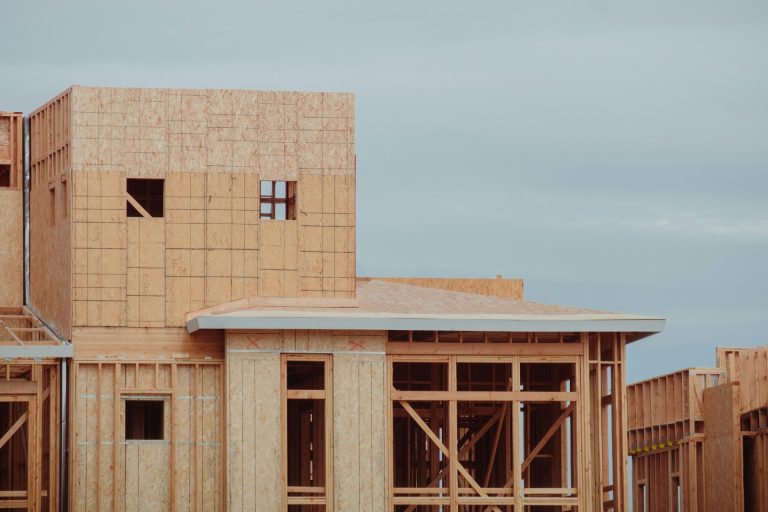
When inspections don’t happen on time, one of the immediate consequences is a halt in construction progress. Imagine being halfway through a significant build in Perth, only to have everything come to a standstill due to a pending inspection. This scenario is a nightmare for project managers who have to juggle complex schedules and resources. Delays can disrupt workflow, affecting not just the specific area awaiting inspection but sometimes even the entire site, leading to inevitable slowdowns.
Beyond the clear inconvenience of project delays, there’s a financial aspect that can sting even more. Construction delays often lead to cost overruns, where the original budget no longer covers the extended timeline or additional resources needed. The longer the hold-up, the greater the risk of inflating costs. Here are a few ways these costs might pile up:
– Increased Labour Costs: Workers may need to stay longer on the project, requiring additional pay.
– Extended Equipment Rentals: Machinery and tools may need to be rented for extended periods.
– Potential Contractual Fines: Contracts may stipulate penalties for not meeting deadlines.
– Additional Material Costs: As time goes on, materials might degrade or need re-sourcing, especially if market prices fluctuate.
Recognising these potential pitfalls and addressing inspections in a timely manner, especially during the peak construction months, can save considerable time and money. The financial implications alone underscore how vital it is to prioritise inspections in the construction timeline.
Compromised Quality and Safety
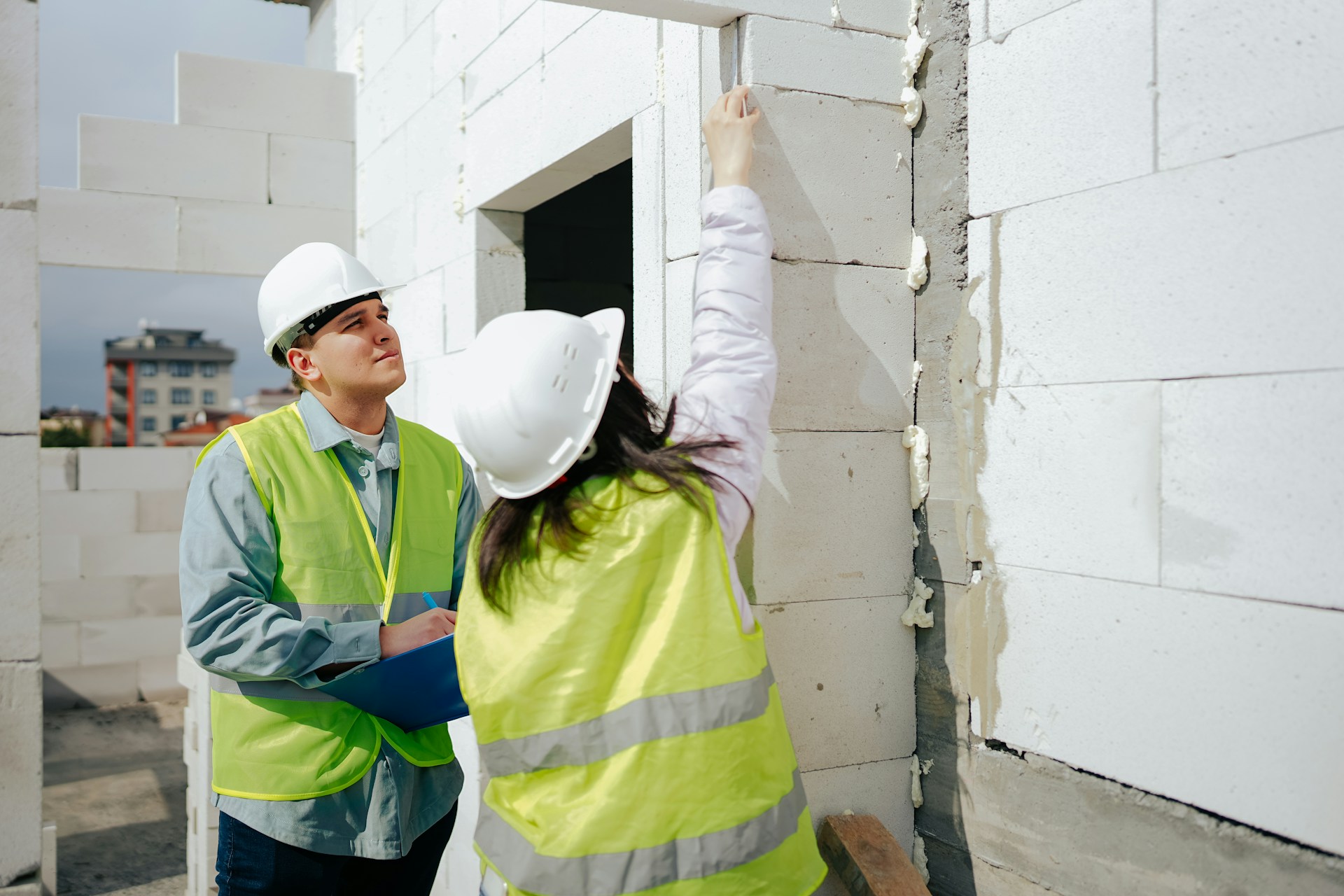
Postponing building inspections can lead to severe consequences for both the quality and safety of a construction project. When inspections don’t happen on schedule, minor issues can escalate into significant structural problems, possibly affecting the integrity of the building. For example, undetected flaws in the foundation or framework could lead to costly repairs or, in the worst-case scenario, accidents during construction or after project completion. This highlights how keeping inspections on track directly links to maintaining a project’s quality standards.
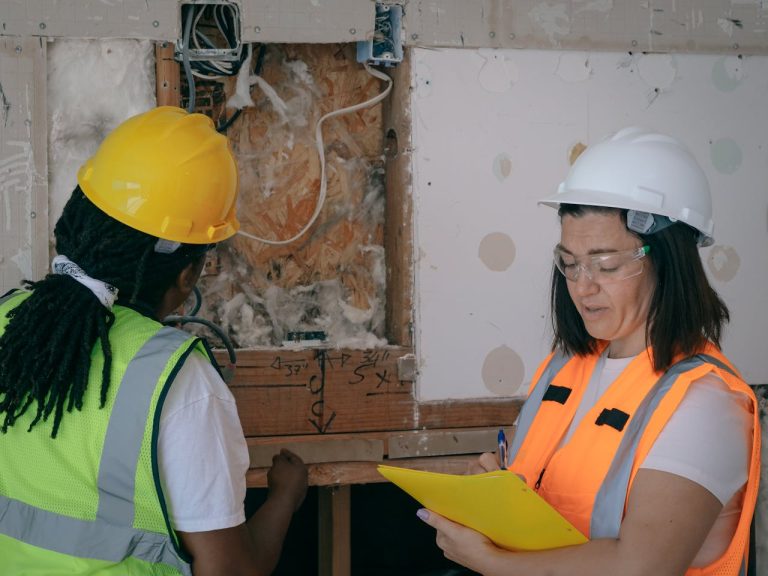
Safety is a paramount concern in any construction project. Without timely inspections, safety risks could go unnoticed until it’s too late. Potential hazards, such as improperly installed electrical systems or plumbing, could pose serious threats not just to the workers but also to future occupants. Delayed inspections might mean that these issues aren’t identified or resolved promptly, leading to potentially dangerous situations. Maintaining a rigorous inspection schedule helps identify these risks early, allowing contractors to address and rectify them swiftly.
Impact on Project Management
Project managers face unique challenges when inspections don’t happen as planned. Scheduling and resource allocation become tricky, as any delay might force changes across the entire project timeline. When inspections are pushed back, it can create a domino effect, disrupting timelines for subsequent tasks.
Effective project management relies heavily on predictability. When inspections aren’t conducted as scheduled, it introduces a level of unpredictability that can throw off the entire project. Managers scramble to reschedule tasks, which can lead to resource wastage, including wasted labour and rented equipment. Endless rescheduling meetings, extending contracts with subcontractors, and securing additional resources can become a logistical nightmare.
Client Trust and Satisfaction
Keeping clients happy and confident in the work being done is essential for any construction project. When inspections get delayed, and projects don’t proceed smoothly, it can erode trust. Clients might start questioning the management and quality oversight of the project. If they’re left in the dark about why delays are happening, their dissatisfaction might grow, potentially damaging reputations and business relationships.
To mitigate these issues, maintaining open lines of communication is crucial. Keeping clients informed about the inspection schedule and any potential changes helps manage expectations. Transparency in explaining delays can go a long way in preserving trust. By addressing concerns directly and promptly, it’s possible to reinforce confidence in the project’s overall management.
Paving the Path Forward
Inspections are a key pillar in ensuring the successful completion of construction projects. Delaying these critical evaluations may lead to a range of complications, from financial setbacks to safety hazards. Ensuring that inspections are conducted on time is more than a procedural step—it’s about safeguarding the integrity, quality, and success of the entire project.
By recognising the importance of sticking to an inspection schedule, project managers can mitigate risks and build a solid foundation for continued success. Future planning should incorporate a proactive approach to inspections, ensuring they are prioritised in the overall project timeline. When done right, inspections provide a safety net that keeps construction projects on target and assures clients of the quality and dedication they expect.
Ensuring the success and safety of construction projects is important for both builders and clients. Building inspections in Perth can help prevent costly delays, keep quality workmanship on track, and strengthen trust with homeowners as projects move forward. Reach out to ABBC Building Inspectors for reliable inspection support that helps keep your new build running smoothly from start to finish.