
Recording Property Conditions Before Major Works Begin
Before any big construction job starts, it’s smart to record the condition of nearby properties. Whether you’re building a new home, renovating, or adding something major like a swimming pool, vibrations and machinery can cause minor or major damage to nearby houses or structures. If this damage happens and there’s no record of what things looked like beforehand, you might end up responsible for something you didn’t cause.
Taking the time to document property conditions can save a lot of stress down the line. It helps avoid arguments with neighbours, limits guesswork when cracks show up, and keeps things clear between all parties involved. In growing areas like Perth, where houses often sit close to each other, this step is especially helpful.
Understanding Dilapidation Surveys
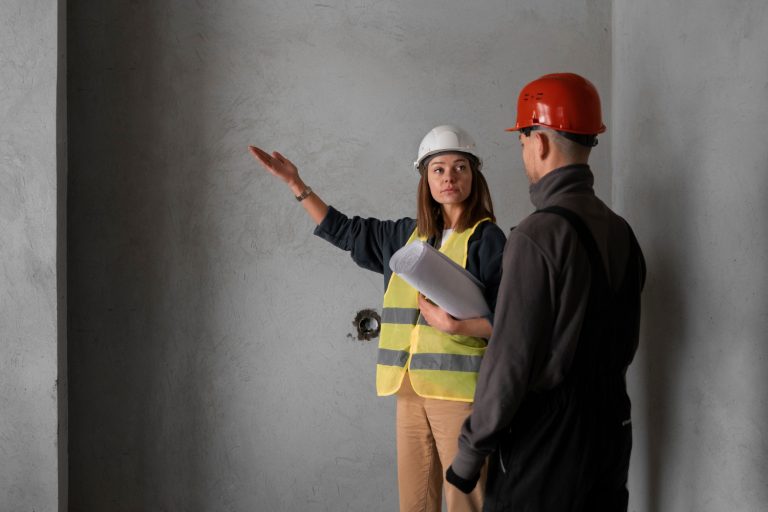
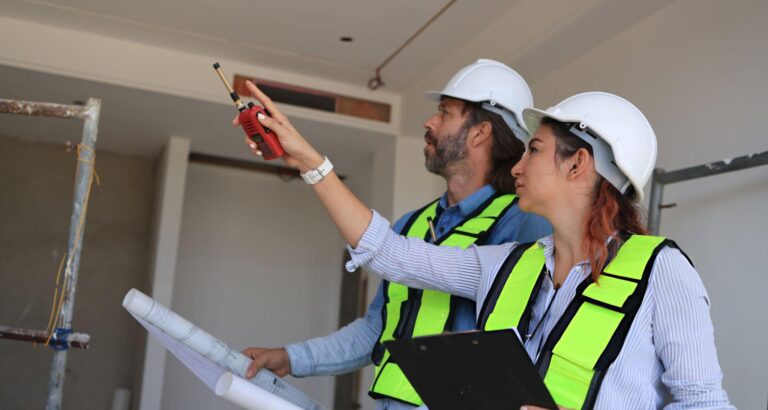
A dilapidation survey is a detailed check of buildings, structures, and even council assets around a site before major works begin. It’s usually done by a qualified inspector who will take notes, measurements, and plenty of photos. This survey becomes a snapshot of how everything looks before construction starts.
The process usually begins with booking the inspection and notifying nearby property owners. Then, the inspector visits the sites and records visible issues like cracks in walls, sinking paving, wear and tear, or loose brickwork. Photos are normally taken at several angles, and the report is written up with all findings included.
What makes this so useful in a city like Perth is how much development is happening. With roadworks, infill building, and new housing estates pushing forward, a lot of homes and older buildings are right next to active construction sites. These inspections help make sure there’s a proper record of what was already there, which can be used later to settle any complaints or questions if something shifts or cracks after building work starts.
Without this type of formal recording, it can be hard to sort out if damage really came from next door or was already there before the site got busy.
Key Elements to Record in a Dilapidation Survey
Not everything around a work site needs to be recorded, but there are certain areas that definitely should be included in a detailed dilapidation survey. Here’s what’s usually checked:
– Foundations and retaining walls: Inspection of structural supports and boundary walls, especially those that support soil or separate two properties
– Driveways and footpaths: Any sinking, tilting, or cracking should be noted
– External surfaces: Includes fences, facades, painted surfaces, or timber cladding
– Cracks in walls or ceilings: Even hairline cracks need documenting with photos and measurements
– Water damage or moisture signs: These should be listed even if they don’t seem recent
– Roof lines: Though not always accessible, any visible sagging or loose materials are noted
One recent example involved a home in Perth that shared a boundary with a new duplex build. The fencing and main wall already had a few small cracks, but without a survey before construction started, the neighbour claimed new vibrations caused further damage. If a proper record had existed, it would’ve been easier to settle the matter fairly.
Being detailed during this stage goes a long way. It helps protect both builders and nearby owners and clears up confusion when changes appear.
How To Hire A Reliable Inspector In Perth
When it comes to recording property conditions before construction, the quality of the survey depends entirely on who carries it out. You’ll want someone who knows what to look for, how to document it properly, and who’s familiar with Perth’s building scene.
Start by checking that the inspector is qualified and fully insured. This proves they’ve met professional standards and are prepared to handle the job properly. Look for experience too—someone who’s worked on both residential and commercial properties will have a sharper eye for common issues and possible red flags.
A reliable inspector will:
– Walk through the property with you
– Explain the process clearly
– Provide a written report with photos
– Be available to answer questions after the survey
It also helps to go with someone local. Inspectors with experience in Perth understand common soil movements, local construction trends, and building materials often used in the area. They know what kind of problems tend to show up and where to look first. They’re also usually quick to book and work around construction schedules, which helps keep your project moving.
Don’t be afraid to ask for examples of past reports or read through client feedback before making your choice. A good professional will be open about their process, and the extra time spent choosing the right one could spare you costly disputes later on.
Benefits Of Conducting A Dilapidation Survey
There’s more to a dilapidation survey than taking photos and writing a report. It can give you clarity when there’s confusion and protection when someone points the finger. Construction often involves large equipment, site clearing, trenching, and heavy deliveries. All of this shakes the ground, which means nearby buildings can shift more than you’d expect, especially older ones.
By having a condition report before works begin, you’ve got an independent record showing what was already there. If a neighbour claims damage, you’ve got something you can refer to instantly. That’s especially helpful when emotions run high or deadlines are tight.
Beyond helping with possible legal matters, these surveys are useful for insurance purposes too. Many building policies don’t cover third-party damage unless a formal record exists. Having your own report gives you the leverage you need during claim assessments.
On top of that, there’s peace of mind. When the works finish and everything’s been checked off, you can look back knowing you’ve managed your part responsibly.
Getting Things Lined Up Before the First Shovel Hits the Ground
Getting ready for major construction is about more than drawings, permits, and booking trades. It’s also about protecting yourself and the neighbours around you. A proper record of existing property conditions could be the one thing that saves you from a long and frustrating dispute down the track.
If you’re building in Perth, where homes often sit close to one another, this step becomes even more important. Older homes may already have small cracks or damaged corners that might worsen during the build without anyone doing anything wrong. Having photos and details saved ahead of time takes the guesswork out of later conversations.
So, before machinery comes in and the noise starts, organise a dilapidation survey. Do it early so there’s time to talk with neighbours and plan around any issues. By getting things in place at the start, you avoid delays and set a better tone for the entire project. It’s a simple step that makes everything run smoother from day one.
Ensure a smoother construction process by documenting surrounding property conditions from the start. For a detailed and professional dilapidation survey Perth, you can rely on ABBC Building Inspectors to help protect your investment and avoid unnecessary disputes down the track.