Investment Protection Through Regular Reviews
Property is often the biggest thing someone will ever put their money into. Whether it’s a brand-new build or something being fixed up over time, protecting that investment takes more than just keeping an eye on finishes and fixtures. What’s really important is knowing what’s happening behind the walls and under the surface. That’s where regular reviews during construction can make all the difference. These checks aren’t about pointing fingers, they’re about making sure things are heading in the right direction before it’s too late or too expensive to fix.
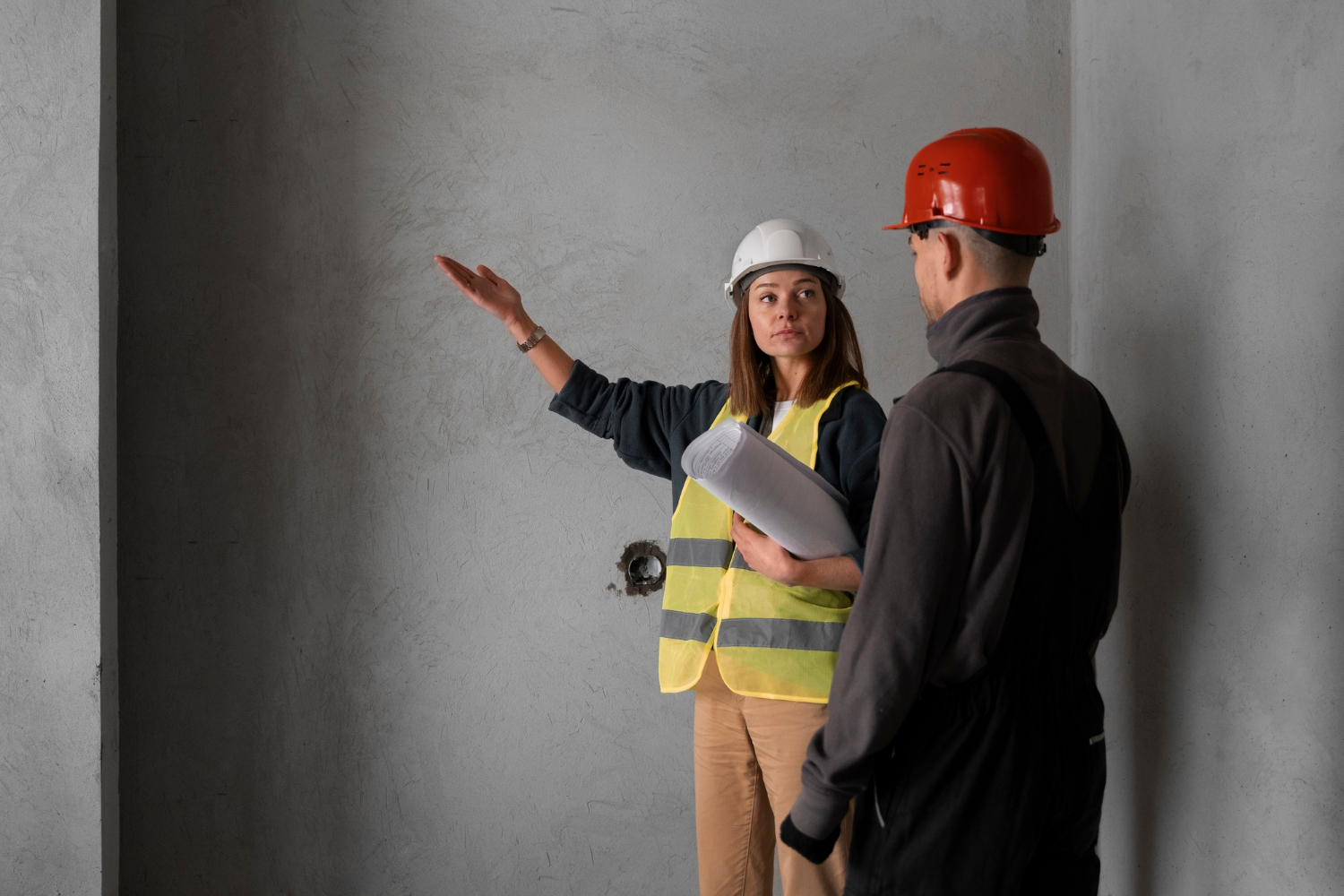
Waiting until the very end of a construction project to look for problems can be risky. Small issues can easily go unnoticed, turning into costly repairs down the line. Regular property inspections during a build can help flag early signs of poor workmanship, non-compliance, or missed steps before those problems grow. It’s a bit like routine check-ups at the doctor. Nothing might be wrong, but you want peace of mind that things are tracking as they should. And if there is something wrong, catching it early usually means it’s easier and cheaper to sort out.
Key Elements of Regular Property Inspections
A proper inspection schedule during a build will cover more than just a surface glance. It focuses on specific parts of the property that are prone to long-term issues if not built or installed properly from day one. These aren’t just boxes to tick. They’re real steps that can prevent avoidable costs and delays.
Here are four key areas that should be checked regularly in any under construction project:
-
Structural Integrity
This includes everything from footings and slabs to load-bearing walls and framing. Regular checks can help spot weak spots, sloppy connections, or signs that something isn’t quite level or aligned. Leaving structural issues until handover can impact the entire project timeline.
-
Electrical Installations
This means more than just making sure the lights turn on. Inspectors look for the correct layout of wiring, proper switchboard placement, safe circuit connections, and clear separate pathways for electrical cabling. Early detection of shortcuts or poor installations often saves trouble after the walls are finished.
-
Plumbing and Drainage
Leaks and poor drainage often hide until water damage shows up later. Checks during the rough-in stage help detect poorly sloped pipes, missing traps, or badly sealed joints before everything’s closed off. Good drainage also means fewer issues after winter rain in Perth.
-
HVAC Systems
Air conditioning and heating setups should be looked at well before the build is complete. This includes duct placement, airflow paths, and proper mounting of internal and external units. If something’s put in the wrong spot, fixing it after build completion can be an expensive task.
Each of these areas supports the strength and function of the home. A staged inspection process helps guide things in the right direction, one step at a time, rather than rushing to spot everything before keys are handed over. On a Perth build we reviewed earlier this year, a plumbing inspection caught a blocked backflow preventer before slabs were poured. If it hadn’t been found then, trenching and removal work would have been needed months later.
Getting these things checked properly, and at the right time, can be the difference between a smooth move-in date and surprise delays caused by hidden problems.
Compliance with Perth’s Building Codes
Perth has its own set of building codes that every new construction must meet. These exist to keep structural safety, energy use, air quality, fire resistance, and access standards in place. Regular inspections during construction help verify that each part of the build sticks to these rules as it progresses.
Following codes early saves money and time by avoiding last-minute setbacks. Builders and trades can miss something by accident, but inspectors check whether all standards are in place before it becomes harder to fix. They’re looking at things like:
– Are framing connections aligned with code?
– Is insulation being placed correctly to match energy efficiency standards?
– Are AC vents sealed and spaced out enough for proper airflow?
– Are there safety clearances around cooktops and fuse boxes?
– Is the roof drainage set up to handle Perth’s heavy rains?
Meeting these codes is a bit like baking a cake. Leave out a key ingredient and everything falls apart. On one job in Margaret River, an inspection picked up that the step-free entry didn’t match accessibility requirements. Fixing it at that moment was simple. If the floor had already been laid, it would have meant breaking concrete.
When inspections are skipped, these kinds of gaps can be missed. When they’re part of a regular routine, problems are caught when they’re easy to fix.
How Regular Inspections Protect Your Investment
Having your build reviewed regularly gives more benefits than just finding issues. It forms a track record showing that each part of the home was inspected and confirmed properly. That kind of record can help in resale, tenancy agreements, and if you ever need to sort something out with a builder.
It also brings confidence. By checking things in steps—framing, electrical, plumbing, cladding—you’ll feel more certain that the job was done right. Big problems often start small. Regular checks help pick them up before they grow.
One Perth homeowner told us their two-storey build had issues found during these ongoing checks. There was missing waterproofing behind the showers and weak roof truss bracing. Because inspections happened at the right time, these were fixed without holding up the project. Without that kind of regular oversight, those problems may not have been noticed until after move-in.
Basically, making inspections a regular part of your build means fewer nasty surprises and a smoother handover.
Why Qualified Inspectors Make a Big Difference
Spotting issues mid-build isn’t easy unless you really know what to look for. A wall might look fine to you but be poorly supported. Wiring could appear tidy yet still be a fire hazard. That’s where qualified inspectors come into the picture.
Experienced inspectors don’t just carry a checklist. They bring real insight into how construction works. They understand how trades interact, how Perth’s climate affects materials, and how shifting plans can impact earlier work.
They don’t want to slow things down or hold up progress unnecessarily. Their role is to help keep your build steady and safe by catching issues early. If something isn’t adding up, they can often track it back to the cause and help the builder correct it before it grows into a larger complication.
Sometimes, they even save time by reducing how many changes need to be made down the line. That kind of support can be hard to spot at first but often ends up worth far more than the cost of the inspection itself.
Having a professional on your side makes you a more prepared and protected property owner.
Lay Strong Groundwork from Day One
When building a home or investment property, it’s easy to focus on all the finishes that are visible—like tile colour, benchtops, or paint. But the real value sits behind the surface. Strong internal work, safe wiring, and clean fitting are what protect your investment long after the build is done.
Every step matters when it comes to getting things right. Getting your property inspected during each phase—not just at the end—makes fix-ups easier, faster, and usually cheaper. It means fewer disagreements with builders and more confidence that things were done properly. You get a stack of paperwork backing it all up. That can come in handy down the road.
Inspections are more about keeping your build on the right track than finding fault. They keep your investment secure by flagging risks before they turn into something worse. Years from now, when you sell, rent, or just enjoy the place yourself, it’s a relief to know nothing was rushed or skipped along the way. That kind of careful attention sets the right start for any future under your roof.
If you’re building in Perth or anywhere in Western Australia and want confidence at every stage, regular inspections can help keep things running smoothly and spot issues early. To understand how this can support your project’s success from the ground up, learn more about property inspection in Perth. ABBC Building Inspectors is here to help you protect what matters most.