
Modern Solutions for Strata Building Maintenance in 2025
Strata living offers a unique blend of community and convenience, but it also comes with shared responsibilities that require careful planning and proactive management. Understanding Strata 10-Year Plans is essential for ensuring the long-term sustainability and value of strata properties.
These plans, mandated by law in WA for properties with more than 10 lots or costing more than $5million to reconstruct, outline the projected maintenance, repairs, and capital works needed over the next decade and beyond, helping owners and managers budget effectively and avoid unexpected costs. Equally important is property maintenance, which ensures the safety, functionality, and aesthetic appeal of shared spaces.
From routine inspections to addressing wear and tear, a well-maintained property enhances livability and preserves asset value. However, strata living isn’t without challenges—problem-solving skills are crucial for resolving disputes, managing finances, and addressing emergencies.
So, read on as we provide practical tips to help strata owners and managers keep their properties in top shape, fostering a harmonious and well-maintained community for years to come.
What Is a Strata 10-Year Plan?
A Strata 10-Year Plan is a long-term plan for maintaining and upgrading the common areas in a strata property. This plan outlines the expected costs and timelines for repairs and replacements. It’s essential for managing a property efficiently.
Importance of Planning Ahead
Planning ahead with a 10-Year Plan helps ensure all necessary maintenance tasks are budgeted for and scheduled. It reduces unexpected surprises and helps keep the property in good condition over time. This proactive approach can save money and stress.
Key Elements Included in Strata Plans
- Maintenance Schedule: Details on when different areas should be inspected and maintained.
- Budget Estimates: Projected costs for repairs and upgrades.
- Replacement Timelines: When to expect major components, such as roofs and lifts, to need replacement.
- Inspection Reports: Regular updates on the state of the property.
Types of Common Property in Strata Schemes
Common property in strata schemes includes shared spaces like gardens, hallways, lifts, gyms, lounges and pools. These areas are used by all residents and require regular upkeep.
Regular Maintenance Tasks
- Cleaning: Regular cleaning of common areas, such as hallways and staircases.
- Inspections: Routine checks for damage or wear and tear.
- Gardening: Maintaining lawns, plants, and trees.
- Repairs: Fixing minor issues like leaks, cracks, or broken lights promptly.
Benefits of Routine Upkeep
Routine maintenance keeps the property looking its best and prevents small problems from becoming big headaches. It ensures the safety of residents and keeps the community happy. Regular upkeep also maintains the property’s value and can reduce unexpected costs.
Identifying Common Problems in Strata Properties
Common property issues can range from minor nuisances to serious hazards. Some frequent problems include leaking roofs, cracked walls, clogged gutters, and faulty lifts. It’s important to spot these issues early to avoid costly repairs.
Checklist for Property Inspections
- Roof and Gutters: Check for leaks, blockages, and damage.
- Walls and Ceilings: Look for cracks, damp spots, and peeling paint.
- Electrical Systems: Ensure all lighting, lifts, and other electrical items are working.
- Common Areas: Inspect gardens, pools, and shared rooms for any wear and tear.
- Safety Features: Verify that fire extinguishers, smoke alarms, and emergency exits are in good condition.
Role of Building Inspectors
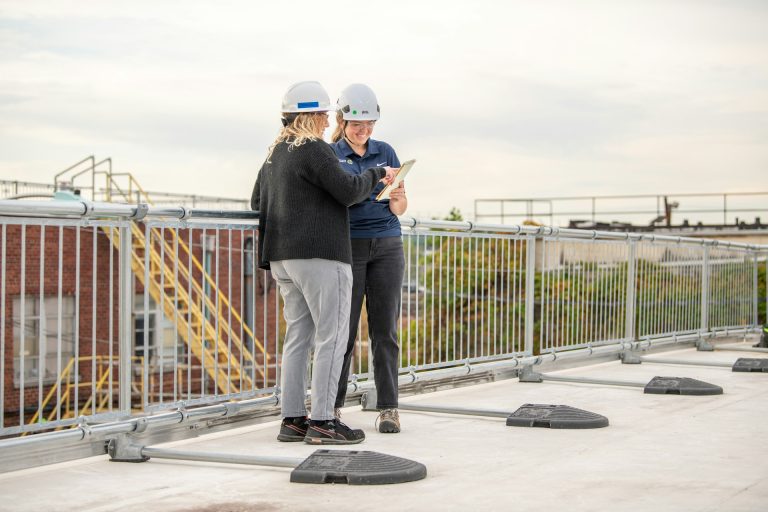
Building inspectors play a critical role in keeping strata properties in top shape. They perform detailed inspections and provide reports on the property’s condition. These experts help identify problems early and suggest solutions, saving time and money in the long run.
Troubleshooting Common Strata Property Problems
- Identify the Problem: Note what’s wrong and where it is.
- Assess the Severity: Determine if it’s a minor issue or something that needs urgent attention.
- Plan the Fix: Decide whether it can be handled in-house or needs professional help.
- Implement the Solution: Carry out the repair or replacement as planned.
When to Call Professionals
Sometimes, property issues require expert intervention. If you encounter electrical problems, structural damage, or severe plumbing issues, it’s best to call in the professionals. They have the skills and equipment to fix these problems safely and effectively.
Preventive Measures to Avoid Future Issues
- Regular Inspections: Keep up with planned inspections to catch problems early.
- Scheduled Maintenance: Stick to a maintenance schedule for cleaning, repairs, and replacements.
- Resident Education: Inform residents about how to use and care for common areas properly.
Conclusion
Taking care of a strata property is a shared responsibility. Having a clear Strata 10-Year Plan helps manage long-term upkeep.
Investing in these upkeep activities saves time, money, and stress, and ensures everyone can enjoy their living environment. Regular checks, proper care, and professional help when needed create a community space that benefits all residents.
If you need help with strata maintenance, check out ABBC Building Inspectors. We’re here to assist with all your strata property needs. Contact us today to learn how our expert independent building inspectors in Perth can support your community!