Why Early Detection of Issues Saves Time and Money
In construction, timing is everything. Catching problems early can significantly affect how smoothly a project runs. Issues that go unnoticed until later stages can lead to delays and extra costs. This makes early detection a key part of managing any building project effectively.
Using early detection methods allows projects to stay on schedule and within budget. This not only aligns with financial goals but also ensures the safety and quality of the building. By prioritising early detection, builders can streamline their processes, saving time and resources in the long run, saving Owners holding costs.
Identifying Common Construction Issues Early
Spotting construction issues early can save time, money, and much stress. It allows builders to fix problems before they become major headaches. Early identification focuses on examining different aspects of a building project to ensure everything is going according to plan.
One major area to check is the site preparation. Problems might include inadequate soil compaction or improper grading, which can cause structural issues later on. Inspectors look closely to make sure the ground supports the structure’s weight and drains stormwater properly.
Another area needing close attention is material quality. Using subpar materials often leads to weak structures and higher repair costs later. Checking the quality and specifications of materials at the beginning helps maintain the project’s overall standard.
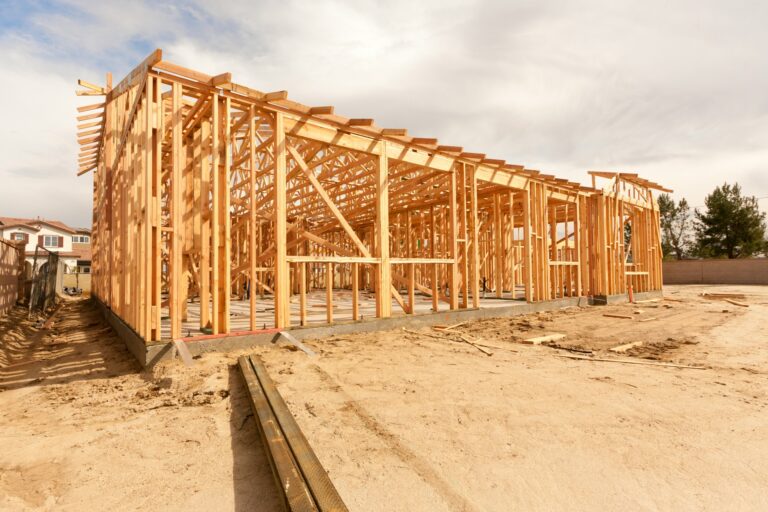
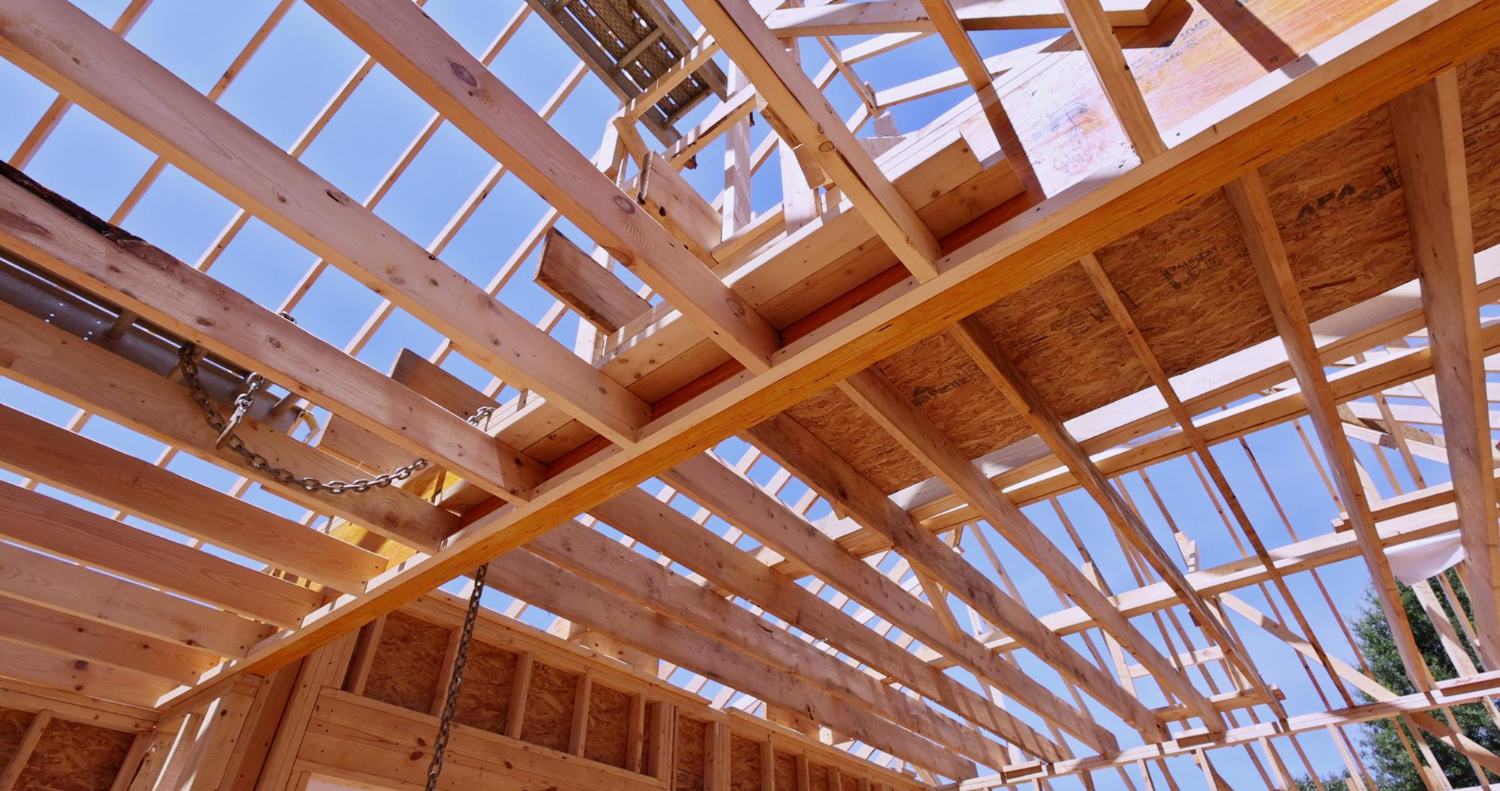
The structural framework is another critical focus. Early inspection involves confirming that everything aligns as planned. Inspectors look for measurement deviations and load-bearing capacity to ensure the structure holds up well over time.
Lastly, reviewing construction methods is important. Poor construction techniques can lead to problems like leaks or electrical failures. The construction team can adjust their approach by catching these issues early, ensuring a smoother process and a more reliable finished product.
Benefits of Early Issue Detection
Detecting construction problems early brings numerous benefits to a building project. It enhances efficiency, reduces costs, and improves overall quality. Early detection can truly set the stage for a successful and timely build.
One of the biggest benefits is cost savings. Fixing issues early typically involves less work and, therefore, less cost. Waiting until problems escalate can lead to complex repairs that are significantly more expensive and time-consuming.
Another advantage is maintaining the project timeline. Unexpected problems found later in construction can delay the entire schedule. Identifying and resolving issues early keeps the project on track, avoiding costly delays and ensuring a smooth workflow.
Enhancing the safety of the construction site is also a crucial benefit. Early detection of problems can prevent accidents due to structural weaknesses or unsafe practices. This proactive approach protects workers and helps maintain a safe working environment.
Finally, early issue detection helps with quality assurance. By catching minor errors or deviations early, construction teams can ensure the final product meets all quality standards. This boosts the overall reliability of the structure, ensuring it operates safely and effectively once completed.
In short, prioritising early issue detection leads to a more reliable, cost-effective, and timely construction process, providing confidence to everyone involved.
Tools and Techniques for Early Detection
Early detection of construction issues relies heavily on effective tools and techniques. Using the right resources, builders can identify and tackle potential problems before affecting the project’s outcome. Here are some common tools and approaches used to spot issues early:
1. Regular Inspections
Conducting frequent checks at different stages of the construction process helps spot problems before they escalate. These inspections cover everything from materials to structural elements, ensuring standards are met.
2. Advanced Technology
Drones and 3D scanners provide detailed views of the site and its structure. These technologies can identify misalignment and defects that might not be visible through manual inspections.
3. Checklists
Well-detailed checklists guide inspectors in systematically examining specific areas. They ensure no project aspect is overlooked and all potential issues are considered.
4. Project Management Software
Software solutions help track progress and identify deviations from plans. They keep all stakeholders informed and enable quick responses to emerging issues.
5. Collaboration Platforms
These platforms allow team members to communicate issues in real time, ensuring timely interventions. Sharing findings and insights boosts the team’s ability to prevent problems effectively.
By employing these tools and techniques, construction teams improve their ability to detect issues early. This proactive approach enhances the chances of successful and efficient project completion.
Integrating Early Detection into the Construction Process
Incorporating early detection into the construction process requires planning and collaboration. This integration improves project quality and ensures timely completion by consistently addressing potential issues as they arise.
To start, develop a clear plan outlining the steps needed for early detection. Include regular inspection schedules and assign responsibilities to team members. Planning ensures that everyone knows their role in maintaining standards.
Training the construction team on early detection methods is crucial. Educate workers on how to spot common issues and how to use tools effectively. This training ensures that various problems are identified at the earliest possible stages.
Open communication is key to integrating early detection. Encourage team members to report any observations of potential issues promptly. Establishing a clear line of communication ensures quick resolution and keeps the project on track.
Lastly, use feedback to improve processes. After detecting and addressing an issue, assess what led to the problem and adjust procedures accordingly. This reflection helps prevent similar issues in future projects.
By thoughtfully integrating these practices into everyday construction workflows, teams can create a more resilient and efficient project environment. Early detection becomes a routine part of the process, supporting a high standard of construction excellence.
Conclusion
Finding and fixing construction problems early on can make a big difference. Builders can ensure their projects run smoothly by using inspections, technology, and communication. Early problem detection helps keep costs down, avoid big delays, and make buildings safer and stronger.
ABBC Building Inspectors is here to help with expert inspections that spot potential issues immediately. Our building inspection services mean fewer surprises, and we work hard to ensure projects stay on schedule and meet all quality and safety needs. Contact us to make sure your construction process gets the expert support it needs, helping guarantee a job well done from start to finish.