How to Spot Construction Structural Issues Before It’s Too Late
Spotting structural issues during construction is vital for creating safe and sturdy buildings. Catching these problems early can save time and money and ensure the project’s success. Construction is a complex process, and small mistakes can lead to bigger problems if not addressed in time.
Builders need to be vigilant and proactive in identifying potential issues as they arise. This involves looking for signs that might indicate problems with the building’s structure. By focusing on early detection, builders can keep their projects on track and avoid costly delays or repairs. Early identification of structural issues not only ensures the project’s success but also contributes to a safer outcome for everyone involved.
Through diligent inspections and attention to detail, construction teams can spot issues before they become critical. Inspections during the construction phase allow builders to correct problems while they are manageable, helping maintain the integrity and safety of the building. Proactively spotting and addressing structural issues keeps a project moving forward smoothly and securely.
Common Structural Issues to Watch For
During construction, certain structural issues can arise that might impact the stability and safety of a building. Being aware of these common problems can help ensure they are caught and corrected early.
1. Cracks in Walls or Ceilings: These can indicate movement in the structure. While small cracks might seem normal, larger ones can suggest underlying problems that need urgent attention.
2. Uneven Load Distribution: If the building’s weight isn’t evenly spread, it can lead to sagging floors or walls. This imbalance can compromise the building’s integrity over time.
3. Improper Window and Door Installation: Misalignment can lead to gaps, allowing drafts and moisture to enter. This can cause energy inefficiencies and potential structural damage.
4. Water Damage or Dampness: Moisture can erode structural materials, weakening them significantly. Inspectors look for signs of water entry and evaluate the quality of waterproofing measures.
5. Foundation Problems: Any shifts or settling in the foundation can lead to serious structural issues. It’s important to inspect the foundation thoroughly throughout the construction process.
6. Attention to detail: making sure that the correct bracket is used, it has the right fixings, the right number of fixings, installed at the right centres all contribute to making sure that a product is installed exactly as the manufacturer intended.
By keeping an eye out for these common issues, builders can address them quickly before they escalate. Early detection ensures a safer structure and a smoother building process overall.
Signs of Poor Construction Practices
Spotting poor construction practices early can prevent many headaches down the line. These signs not only indicate immediate concerns but can also predict future problems if not corrected promptly.
Some of the telltale signs of poor construction practices include:
– Inconsistent Workmanship: If the quality of work varies significantly from one area to another, it suggests a lack of consistent standards and could mean defects in certain parts of the structure. Just because your carpenter has install one type of cladding doesn’t mean that they know how to install this cladding.
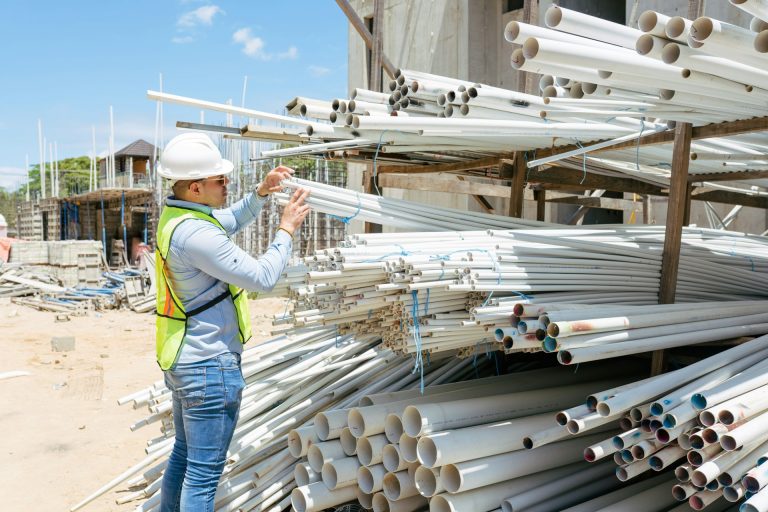
– Use of Substandard Materials: Cutting corners with cheaper or inappropriate materials can lead to rapid deterioration and necessitate costly repairs in the future.
– Lack of Proper Planning: Missteps in project planning can lead to errors such as incorrect dimensions, insufficient space allowances, or poorly thought-out designs, which impact the overall functionality.
– Neglected Safety Protocols: Ignoring safety standards during construction not only endangers workers but also compromises the building’s long-term safety and compliance.
– Poor Site Management: Messy work sites or inadequate supervision might seem like minor issues but can be indicative of larger organisational problems affecting the quality of construction, or poor sequencing of trades.
Identifying these signs helps in maintaining quality throughout the construction phase. By ensuring high standards and attentive management, builders can create structures that stand the test of time, avoiding unnecessary repairs and enhancing overall project success.
Tools and Techniques for Effective Inspection
To keep construction projects on track and safe, using the right tools and techniques for inspection is key. These tools help builders catch issues early, ensuring quality and safety throughout the project.
Essential Tools for Inspections:
– Laser Levels: These tools ensure structures are perfectly aligned. They help detect any deviations, making sure walls and floors are level and straight.
– Moisture Meters: Moisture meters help identify damp areas that could lead to water damage. Using these meters, inspectors can spot potential problem areas early in the construction process.
– Thermal Imaging Cameras: These cameras find hidden issues like unseen leaks or insufficient insulation by showing temperature differences which might indicate problems.
– Concrete Testers: These assess the strength and integrity of concrete. Quality concrete is vital to a strong foundation, and testers help ensure it meets all standards.
Alkalinity testers: This assesses the state of finished plaster prior to painting. Painting too early can lead to flaking or peeling of the sealer coat.
Key Inspection Techniques:
– Visual Checks: Experienced inspectors make visual checks to immediately spot obvious problems such as cracks or improper installations.
– Checklists: A detailed checklist ensures no aspect of the construction is overlooked. It helps keep inspections thorough and organised, preventing future issues.
– Digital Documentation: Taking photos and notes digitally during inspections keeps records accurate and easily accessible, providing clear evidence of any identified issues.
Using these tools and techniques keeps the construction process smooth, safe, and efficient. Regular inspections prevent minor problems from becoming major headaches, ensuring a high standard of building throughout.
Improving Construction Outcomes Through Early Detection
Spotting issues early in the construction process can lead to significant improvements in the final outcome of a project. Early detection helps maintain construction quality, safety, and adherence to timelines.
Benefits of Early Detection in Construction:
– Cost Savings: Fixing problems when they’re small is less expensive than addressing them after completion. Catching issues early avoids the need for major, costly repairs down the line.
– Time Efficiency: Resolving problems during construction avoids lengthy delays later. It helps keep the project on schedule, preventing bottlenecks or extended timelines.
– Increased Safety: Addressing safety concerns early reduces risks for workers and future occupants. A safe construction site leads to a safe finished building.
– Enhanced Quality and Longevity: Buildings constructed with early detection practices have better quality and increased longevity. Properly maintained structures remain strong and dependable for years to come.
– Less Stress: Early problem-solving reduces stress for all involved, from builders to future homeowners. A smooth construction process is beneficial for everyone.
Incorporating early detection strategies into the construction phase brings numerous advantages. It ensures that buildings are made to last, protecting investments and lives alike.
Conclusion
Effective inspection practices are critical for successful construction projects. By focusing on spotting structural issues during construction, builders can ensure both safety and quality in their work. Comprehensive inspections, when conducted with the right tools and techniques, prevent small issues from escalating into costly problems.
Proactively identifying these concerns minimises delays and ensures efficient project management. Construction is about building something that lasts, and with regular inspections, this goal becomes achievable. Early detection not only optimises resource use but also boosts confidence in the construction’s outcome.
To safeguard your project from unexpected setbacks, consider engaging ABBC Building Inspectors. Our experienced team is ready to help spot potential problems early on, ensuring your construction project proceeds smoothly and successfully. Connect with us today for top-notch building inspection services and keep your construction on the right track. Secure the best possible outcomes for your building project with ABBC Building Inspectors.