
What to Do When Construction Materials Show Signs of Wear
New building projects often rely on modern materials and tech to deliver strong and secure structures. But over time or even during construction, materials that seem fresh can begin to show signs they’re not holding up as expected. For builds in progress, recognising these signs early can mean the difference between a minor fix and a major delay. It’s not always about age. Sometimes it’s a case of poor storage on-site or weather changes kicking in during a critical stage of the build.
When you spot something that doesn’t look quite right, like cracks in new concrete or rust showing up on metal just after it’s painted, it’s time to pay attention. This isn’t a reason to panic or throw everything out, just a sign to act early. Spotting wear straight away usually saves both money and time if handled the right way.
Typical Signs of Material Wear
Construction materials may look built to last, but they’re not indestructible. Some don’t age well or can be weakened by storage or installation issues. Many times, defects show up not long after materials arrive on-site, especially if the weather turns or if items sit exposed too long.
Some of the most common signs to watch for include:
– Cracks and fractures in concrete or masonry
Hairline cracks might not seem too alarming at first, but they can widen quickly. Larger breaks in slabs, blocks or mortar joints can be a sign of tension within the structure. Cracks also make it easier for water to get in, which can lead to more serious problems later.
– Discoloration, rust or pitting in metals
Steel and metal parts that sit out in damp weather are prone to rust or corrosion. Once rust sets in, metal connections might not hold as intended. You might also see small pits forming on the surface, signalling deeper wear or internal damage.
– Swelling, warping or rot in timber
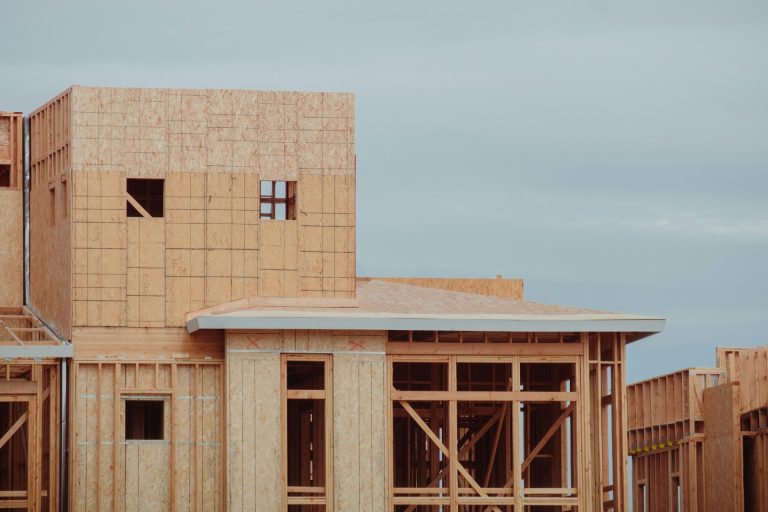
Timber needs protection, especially in places with winter rain like Perth. When wet timber begins to swell or twist out of shape, framing and cladding can end up out of alignment. Dark spots may mean rot has already set in, often calling for replacement rather than repair.
– Bulging or soft spots in plasterboard or insulation
Plaster and insulation that absorb moisture during late builds or sealing works can sag, swell or even collapse. These problems might not seem urgent early on, but they can interrupt internal fit-outs and roofline finishes.
– Peeling of paintwork
Painted rendered or plastered surfaces showing bubbling or peeling are likely absorbing moisture, or being subjected to moisture from where it shouldn’t be. This shouldn’t be happing in the first 5 or six years of a building’s life.
We recently attended a site where early framing timber had been left exposed during rain for nearly fifty two weeks. By framing time, warped pieces made window and door fittings shift out of place. The fix involved replacing a bunch of key frame elements and reset alignment across multiple rooms. A problem that likely could’ve been avoided with better scheduling of materials or subbies and/or better protection.
Steps to Take When Signs of Wear Are Found
Catching wear during construction doesn’t mean panic mode. It simply means a change in approach. Acting on these warning signs quickly keeps small issues from turning into larger costs or delays.
Here’s what we recommend once wear becomes visible on-site:
1. Take photos and notes
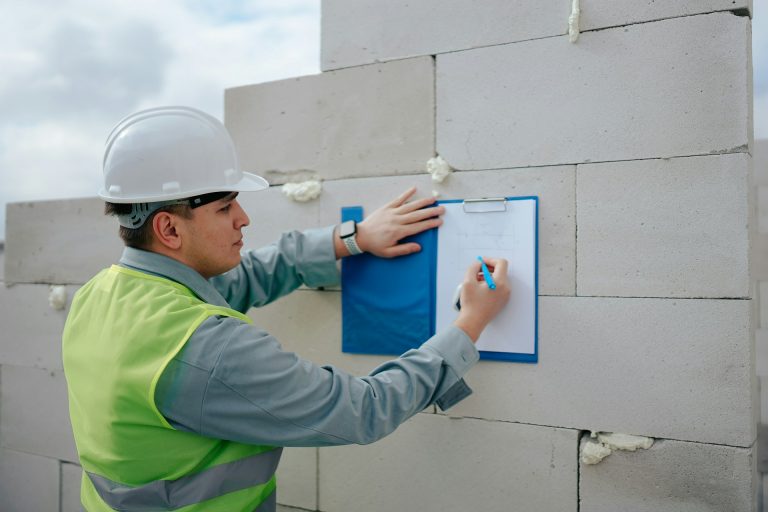
Use your phone to snap clear shots from several angles. Record key notes about where the material is located, weather conditions and how long it’s been there. Keeping written records helps others understand the timeline and supports future repair decisions.
2. Don’t guess what caused it
It’s easy to assume poor materials or worker error, but jumping to conclusions can lead to misdiagnosed fixes. Some damage goes below the surface, and without proper analysis, you might be treating the symptom instead of the cause.
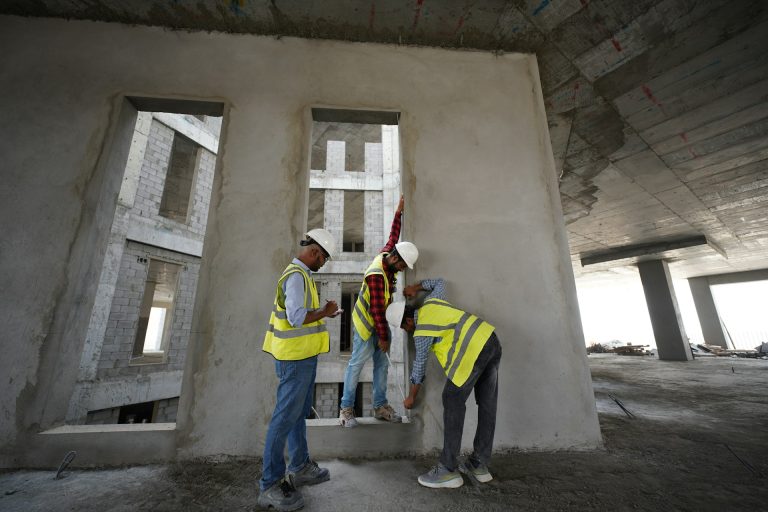
3. Bring in a qualified defect inspector
Experienced defect inspectors know what to look for under the surface. They offer insight into structural behaviour, installation pressures and environmental wear. More importantly, they assess if the issue puts the project at risk or if it’s still within safe limits.
4. Know what needs fixing first
Some repairs can wait; others can’t. A cracked beam near a load-bearing wall carries more urgency than chipped cladding. A good defect inspector can help rank repair priorities by safety risk and construction schedule impact.
5. Avoid patching without a proper plan
Quick repairs feel like progress, but they can miss deeper issues. The aim should be to trace the problem back to its source. Whether that’s replacing exposed materials or adjusting build timings, going after root causes prevents repeat issues down the track.
Following this approach protects both structure and schedule, making sure progress continues without adding hidden faults.
Prevention and Maintenance Tips
It’s easier to stop wear before it starts than to fix it once it’s underway. That’s why regular site habits and smart material choices go a long way in avoiding early failures.
A few steps that help protect your materials throughout construction:
– Protect materials from weather
Rainy days aren’t rare during late winter in Perth. Keep supplies like timber and insulation stored under cover and off the ground. Even short exposure can undo weeks of clean, dry storage.
– Set walk-through checks
Quick weekly inspections help keep wear at bay. Surface problems often show up before they deepen, and early action means less delay or cost.
– Store items properly on-site
Separate materials based on moisture sensitivity and usage stage. Use pallets and covering sheets instead of open-air stacks. Keeping items ordered means less risk of damage before use.
– Pick materials suited to local weather
Choosing the right product saves headaches later. Perth can swing between cold, wet days and dry heat. Using materials fit for these shifts prevents breakdown before completion.
– Keep a site diary
Track deliveries, installation stages and weather conditions daily. These records help trace when and how an issue may have formed. It’s simple, but pays off in quality assurance and backtracking.
These tasks don’t slow a build down. On the contrary, they keep the momentum rolling by preventing tomorrow’s issues before they begin.
The Role of a Defect Inspection in Maintaining Quality
Defects usually don’t shout. They whisper in small details most don’t spot. That’s where a trained eye makes all the difference. Calling for an inspection during the build rather than after helps uncover the early signs many overlook.
Inspection during construction is not about catching someone out. It’s about giving both builder and client peace of mind that materials are holding up under current site conditions. A slab might look fine to the untrained eye while hiding tension cracks. A recent delivery might already be warping from moisture gathered over a single weekend.
Inspectors can assess these subtle cues and propose fixes before finishing stages cover them up. If problems are caught mid-build, the fix is often faster and cheaper. Slotted correctly into staging milestones—like post-frame or roof finish—inspections work with the flow of the build, not against it.
When inspectors act as a neutral voice, they help identify what needs action without delay or bias. This keeps builds moving forward while avoiding surprise setbacks before handover.
Most importantly, they protect long-term results. When checks catch weakened materials before install, the full build stays on better footing for years.
Staying Ahead of Material Failures
Spotting wear is all about paying attention. Whether it’s cracks in concrete, early timber rot or rust on metals, these signs can’t be ignored. Getting on top of them means documenting them properly, bringing in expert defect inspections and tackling the source of the problem head-on.
It doesn’t take complex fixes to prevent these issues from boiling over. Smart storage, localised material choices, steady walk-throughs and accurate records are all simple steps that build real resilience into a project.
When defects are flagged early, repairs slide into place without throwing off contractors or timelines. A clean, safe structure starts with sound materials, and those are only guaranteed when they’re checked properly along the way.
By looking for wear early and calling in help when needed, even weathered materials won’t get the upper hand. Strong homes come from early insight, not just strong materials.
If you’re managing a construction project in Perth, catching early signs of material wear can make a big difference in keeping things on track. To avoid unnecessary delays and ensure your build stays strong, book a professional defect inspection with ABBC Building Inspectors. Our insights help identify problems before they escalate, giving you more control and peace of mind as your project moves forward.