
Quality Control Standards in New Construction Projects
Building a home or commercial property brings a lot of moving parts together. People rely on builders, tradespeople, materials, and plenty of paperwork to deliver a structure that stands the test of time. But construction is not just about ticking items off a checklist. Quality matters, and knowing how to keep that quality consistent across the entire build can be the difference between handing over the keys to a solid structure or one loaded with problems waiting to surface.
In Perth, keeping construction projects up to standard can be tricky if regular checks aren’t built into the process. Corners sometimes get cut by subcontractors to save time or money. Products may not be installed the right way. Or small issues might go unnoticed until they become bigger, costlier fixes. That’s where strong quality control plays a huge role, helping property owners, developers, and builders avoid major headaches down the track.
Key Quality Control Standards In Construction
Quality control in construction means making sure every part of the project meets expected standards. It’s not just about the final appearance but how stable, long-lasting, and safe the building is going to be. These standards help create a smoother process by reducing the chance of costly delays and defects.
Here are a few areas where quality control standards matter:
– Material condition – Are the materials being used up to standard? Cheap or damaged materials can cause serious issues during or after the build. Are they even the correct material specified?
– Workmanship – Are tradespeople doing their work correctly? Even good materials can fail with poor installation.
– Structural integrity – Is the frame solid? Load-bearing points need to meet engineering specs to stop sagging or cracking over time.
– Safety procedures – Are workers following proper safety steps? Is the site safe for visitors or inspectors?
– Compliance with plans – Is the build sticking to the approved drawings and council requirements?
These standards help protect future owners and support builders, making it easier to stay on track and avoid rework. Whether it’s verifying waterproofing membranes or checking framework before concrete is poured, catching problems early makes a massive difference to overall quality and cost.
The Role Of A Construction Inspector
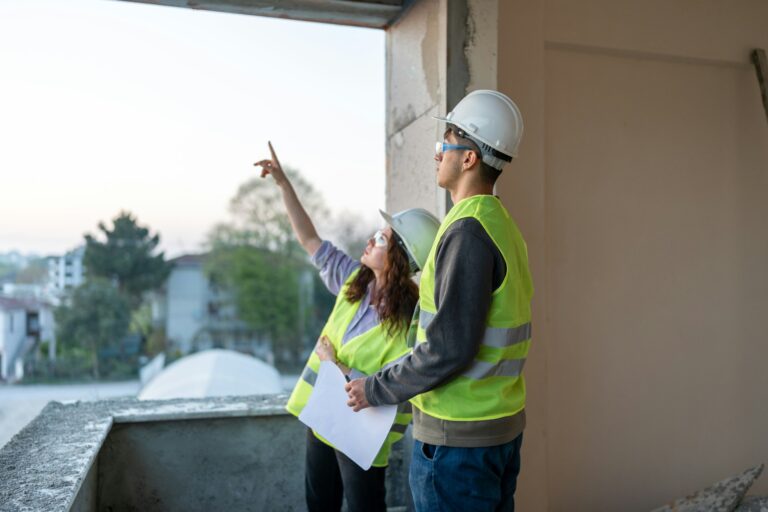
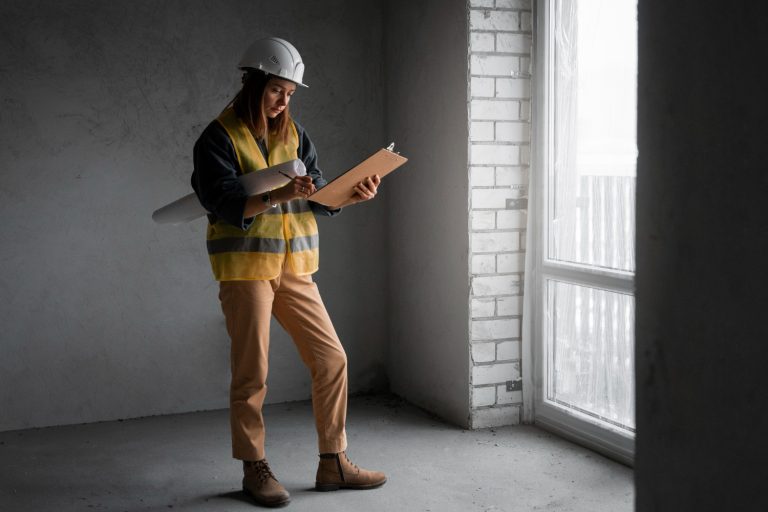
A building inspector works behind the scenes to make sure each part of a build is done safely and the right way. In Perth, our building conditions are unique. We deal with sandy soil, bursts of heavy rain, and strong sun exposure. A building inspector who knows what’s common in Perth or the South West and can pick up on risks that might slip through unnoticed.
Unlike a final walk-through done at the end of a job, experienced inspectors usually check in at each major stage of the build. This gives them a chance to inspect areas that will soon be hidden behind walls, ceilings, or flooring.
Our inspector generally looks at:
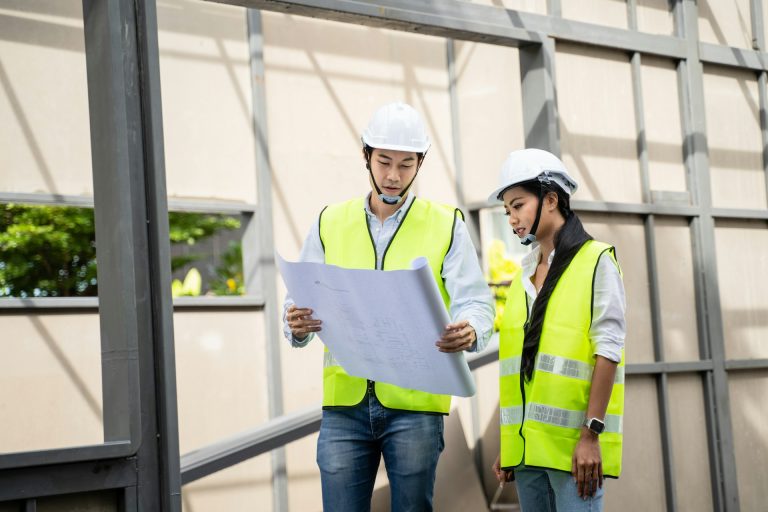
– Whether construction follows the approved plans
– Material suitability, condition, and installation methods
– On-site health and safety practices
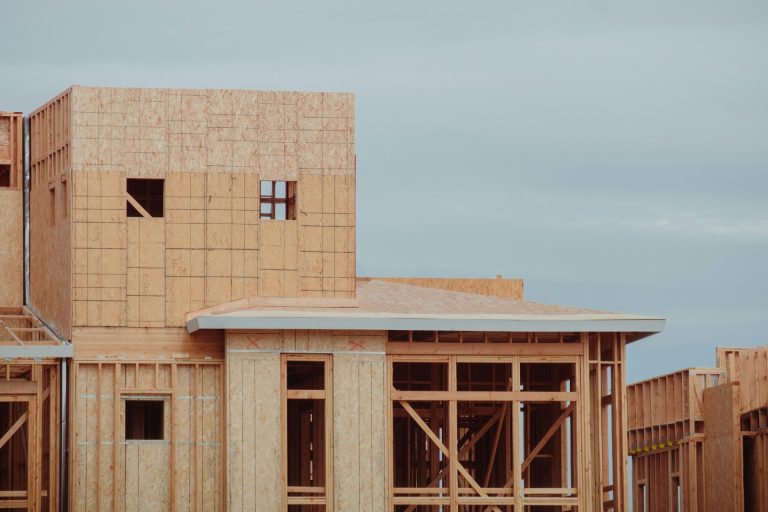
– Structural components like footings, walls, and roof frames at each stage
– Overall workmanship and the potential for future problems
– Compliance with Australian building regulations and local codes
One example involved a residential project in Perth where tie-downs in the roof cavity weren’t secured properly. The issue wasn’t visible from ground level. It was only during the frame inspection that the problem surfaced. Getting it sorted straight away meant improved cyclone resistance and no delay in the project timeline.
In another residential project in Dunsborough, it was found that the builder had used an internal cladding on the outside of the building, with resultant mould and water ingress.
When inspectors are on board from the early stages, they can provide assurance to both clients and builders. Picking up a misaligned beam early on beats trying to fix the ripple effect of cracked finishes months later.
Common Quality Control Measures During Construction
Sticking to quality control during construction doesn’t mean slowing things down. It means working smart and giving the project a solid backbone. Having structure during the build helps avoid bigger issues later.
Some common quality control steps used during active construction in Perth include:
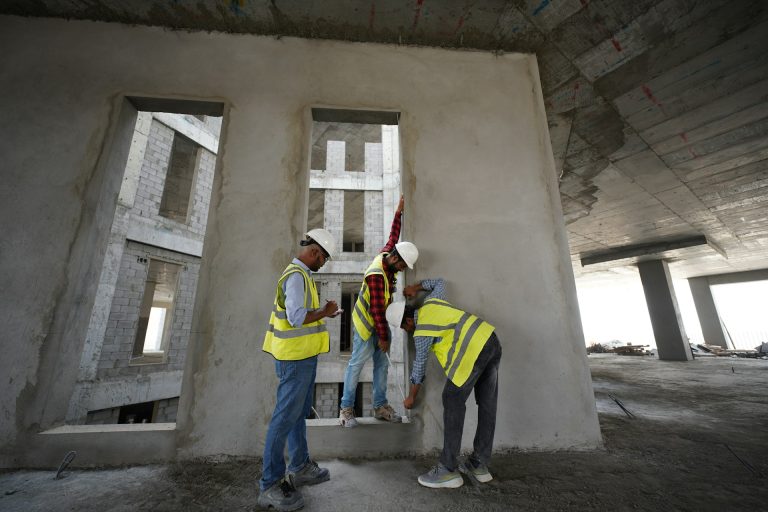
– Ongoing site inspections – Conducting checks at key points ensures the project lines up with building codes and specifications, and gives teams a chance to act on any early problems.
– Material testing and verification – Materials must match what was approved. Sometimes suppliers switch products, and while they may look similar, their performance may not hold up long-term without proper testing.
– Progress documentation – Keeping track of each step with records or photos supports compliance, helps in issue resolution, and can be important for warranty checks or claims later.
– Builder communication logs – Changes to the plan or on-the-fly requests can be risky if not noted. Keeping documentation helps avoid crossed wires and keeps all contractors aligned.
– Health and safety audits – These confirm that the work site isn’t just productive but also safe. This helps protect teams and limits the chance of work stoppages due to on-site risks.
Spacing inspections out across the job gives a clear picture of progress. For example, an inspection report just before lining boards go in might reveal that plumbing lines are off centre or electric wiring isn’t sitting in the right position. Waiting until after walls are closed would mean tearing things open—a task no project benefits from.
How Quality Control Enhances Construction Outcomes
Quality control builds confidence across all areas of a project. For contractors, there’s peace of mind knowing each stage gets outside review. For developers, it means projects are much less likely to suffer costly rework or inspection delays. And for property buyers or owners, it offers trust that they’re walking into a space built to last.
With systems in place across the job, builders are less likely to miss details under pressure accidentally. When inspectors pick up something that’s off before it becomes buried, problems are quicker and cheaper to correct.
A recent job in Perth involved overly-rusted reinforcing mesh incorrectly delivered and installed in a suspended slab formwork. If the slab had been poured, long-term durability could’ve been compromised. But a routine inspection caught this before the pour. The correct mesh was swapped in without delay, and the project stayed on track.
Working in checkpoints and prioritising accountability makes a difference:
– Fewer holdups from poorly done work or changes that don’t align with codes
– Better safety results for workers and future inhabitants
– Builds that follow plans more closely, avoiding unexpected outcomes
– Quicker fixes when something is flagged
– Savings in future repair costs due to stronger structural quality
Taking the time to confirm quality isn’t just about compliance. It’s smart planning. Instead of rushing to hide poor work behind finishes, quality control gives the team a clear path with fewer detours.
Partnering With ABBC Building Inspectors
Getting access to dependable, local knowledge can make a huge difference when building here in Perth. Our inspectors at ABBC Building Inspectors tap into their real-world experience across countless projects to give our clients confidence, stage after stage. By spotting issues when they first show up, we help builders stay efficient and owners avoid frustration.
We work as a fresh set of eyes on the ground throughout construction. That way, your build moves forward with strong systems instead of guesswork. Holding the build to a high standard means better building practices, a smoother finish, and fewer headaches once keys change hands.
With the right checks and a clear plan, Perth structural projects can meet expectations the first time round, not after months of fixes. A professional inspection schedule creates trust, lowers stress, and supports everyone from the concrete pour to the final clean. Building it right from the start saves everyone time, effort, and money. It’s just the smarter way to work.
To keep your project moving smoothly and avoid costly setbacks, it’s worth having a construction inspector involved early and throughout the build. ABBC Building Inspectors offers thorough inspections tailored to each stage, helping spot issues before they become expensive problems. Learn how working with a construction inspector can help protect your investment from start to finish.