
Problem Detection During Building Works
Spotting problems during building works isn’t just about ticking a few boxes. It’s about catching things while there’s still time to fix them, before they turn into problems that cost more or slow the whole project down. Whether it’s a small home extension or a brand-new build, things can slip through the cracks if no one’s looking closely. That’s why finding issues early, during the building process, can save stress for owners and builders alike.
On-site defect inspection helps keep things on track. It’s about checking the important stuff while it’s being built, not after. Once the walls go up and the paint dries, fixing a bad pipe or dodgy wiring gets harder and more expensive. The sooner issues are picked up, the faster they can be sorted without disrupting a whole schedule or budget. Whether you’re building in Perth or elsewhere, setting the foundation for a solid, safe home starts with regular checks from the ground up.
Common Building Defects To Watch For
Every job site is different, but some problems show up more often than you’d think. Some are easy to spot, others need more attention and experience. Knowing what to look out for helps reduce mistakes that could come back to bite later.
– Structural defects
These stand out when parts of the frame or slab aren’t aligned or strong enough. You might notice cracking in brickwork or concrete, warped timber, or bowed frames. Left alone, these can affect how stable the whole structure turns out.
– Water damage and drainage faults
Improper drainage is more than just an annoyance. It often starts forming puddles near the base of the slab or signs of dampness just above ground level. During the build, even temporary plumbing leaks or missing weather seals can offer an early warning. These are all signs that the site isn’t coping well with water and needs urgent correction.
– Electrical wiring issues
Exposed wiring, jumbled installations, incorrect spacing to other services and missing protection around cables raise instant red flags. If wires are placed too close to wet areas or not where the plans say they should be, it’s a problem waiting to happen. These faults also risk failure when it’s time for electrical approval checks.
– Insulation and ventilation problems
Gappy or compressed insulation doesn’t do what it’s supposed to. That means poor energy efficiency and uneven climate control in the home. Without proper ventilation, moisture build-up can create future mould problems or dampness behind sealed walls and ceilings.
Take one example from a suburban project in Perth. The slab was poured without confirming proper stormwater slope. Just a few weeks later, water began collecting at one edge, seeping under the timber base and affecting framed fixings. The issue cost both time and labour to fix—something that better drainage planning could’ve prevented upfront.
What may seem small during construction can turn into disruptive repairs later. Regular inspections step in before problems slip past unnoticed.
How Defects Are Detected During Building Works
Detecting problems during active construction isn’t about guessing or pointing fingers. It takes a methodical approach and the right tools at the right times. Builders, supervisors, and inspectors all work together to pick up what could be missed in a rushed walkthrough or at the end of a long week.
1. Regular on-site visual checks
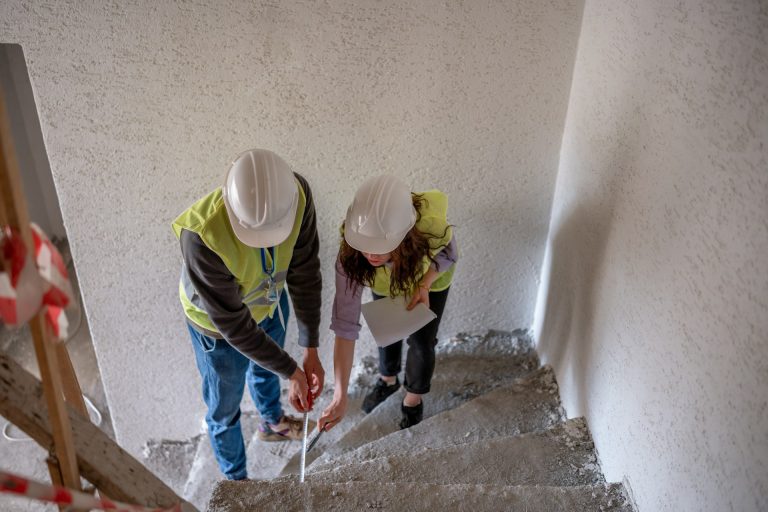
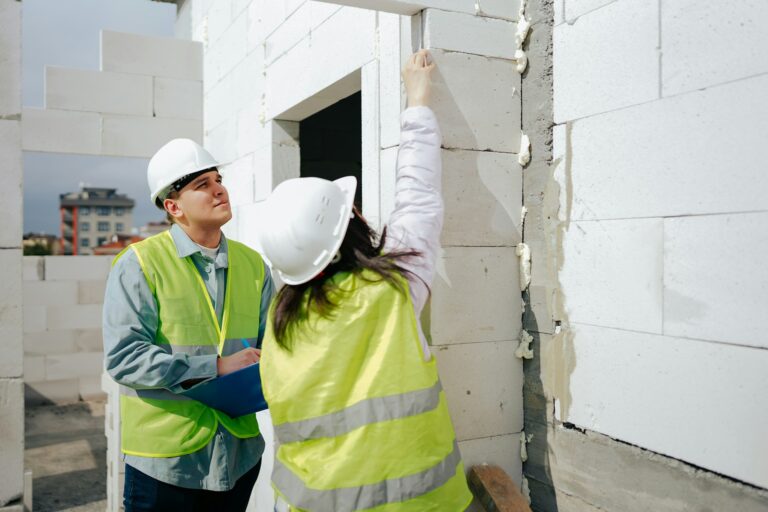
These involve walkthroughs during key stages when the building is still accessible. Professionals inspect the quality of framing, plumbing placement, electrical rough-ins, waterproofing and more. They also check that finishes are clean and free from signs of careless work. By watching each step unfold, inspectors can spot things like misaligned timber, wonky walls or cracked cement before they’re hidden.
2. Specialist tools and equipment
When an issue isn’t easy to see, tools like moisture meters, spirit levels and thermal cameras come in. These help locate hidden damp, pressure changes, cold spots and floor dips. They give deeper insight into the health of a new build that visual checks could miss on their own.
3. Plan and document comparison
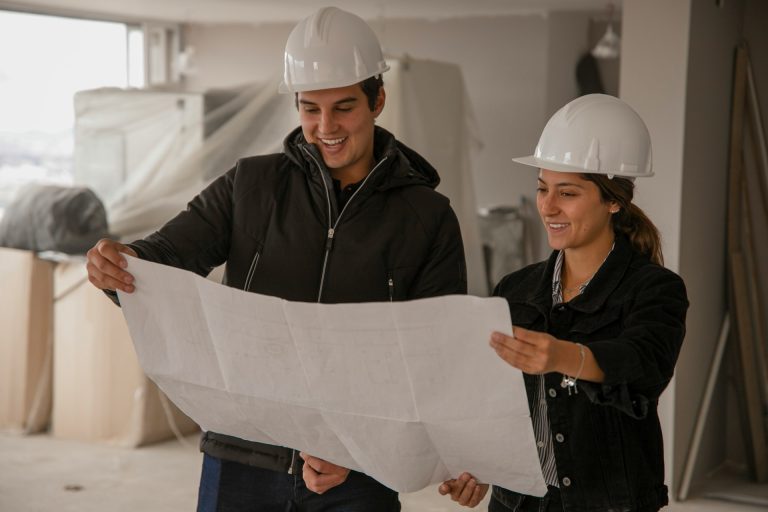
Inspectors often carry printed or digital copies of architectural drawings and permit documents. This lets them compare what’s on site to what’s approved. When cables, pipes, or framing layouts don’t fit the plans, they raise valid concerns. Catching these mismatches when walls are still open makes it easier to fix without extra costs.
In one Perth townhouse job, the inspector noticed lighting wires were rerouted near wet areas against approved plans. Since the issue was caught before plaster went up, it was corrected quickly and without derailing the build schedule.
None of these steps are about blame. They’re about keeping construction honest and on track from slab to studs to ceiling.
Why Regular Defect Inspections Matter
Some builders tick inspection off as the final step. But waiting until the end means covering up serious issues that are much easier to fix during early stages. Slipped insulation, dodgy waterproofing, and unapproved layout changes can all cost more if ignored until handover.
Routine defect checks during the build help with:
– Catching workmanship issues early
– Making sure each trade’s work lines up with council and engineering approvals
– Preventing waste when materials need to be redone or stripped out
– Keeping a clean record of what’s built and what’s adjusted
– Staying ahead of deadlines by solving problems as they happen
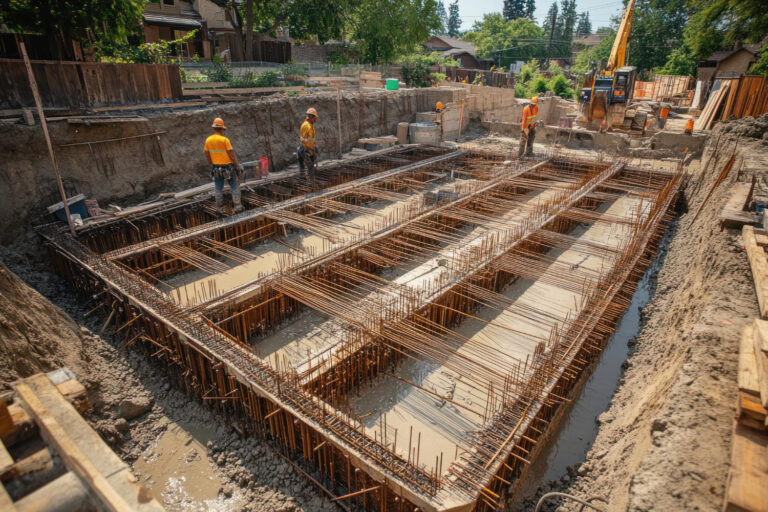
For example, if plumbing isn’t properly seated before the slab is poured, the only fix after is jackhammering. An inspection before that step avoids ripping up the concrete later. Same goes for electrical or timber work. If an uneven wall gets covered in plaster, fixing it later is time-consuming and messy.
Even the best-run sites hit snags. Weather holds up work, teams juggle multiple projects, and mistakes slip in. A timely inspection doesn’t just highlight flaws; it brings fresh eyes and a clear plan of action.
Where ABBC Building Inspectors Come In
Spotting and reporting defects is what we do every day at ABBC Building Inspectors. We know when problems tend to show up and how to deal with them before they derail a project. Our Perth-based team brings a sharp eye and years of hands-on inspection experience.
We provide inspections at key stages of the building process, including slab, frame, lock-up, and pre-handover. These checks make sure builders are staying in line with the plans, safety rules, and quality expectations.
Every inspection includes:
– Site visits during active build stages
– Clear written reports with photos and notes
– Checklists backed by local codes and construction requirements
– Advice based on real findings, not guesses
– Flagging risks before they evolve into costly reworks
Builders, project managers, and homeowners alike benefit from knowing how things are really progressing. We act as a second set of eyes to help guide your build smoothly from start to finish.
Staying Ahead Pays Off
Regular defect inspections during building aren’t just a safety net. They’re a smart step that protects timelines, avoids waste, and keeps workmanship where it should be. There’s much more peace of mind when problems are tackled as they show up, not after the paint is dry.
Whether you’re building a dream home or managing multiple properties, knowing each stage is being checked and reviewed means fewer blindsides and a smoother path to completion.
By trusting experienced inspectors like those at ABBC Building Inspectors, you’re putting attention and quality first—and that makes all the difference when the work is done.
To keep your construction project on track and avoid setbacks that can lead to costly repairs, regular checks throughout each stage are key. Trust the experienced team at ABBC Building Inspectors to deliver detailed reporting and quality oversight. Learn how a well-timed defect inspection can make all the difference in building a safer, more reliable home.