
Understanding Property Damage Documentation
Before any construction kicks off, neighbours, builders, and developers often need a document that shows exactly what condition nearby properties are in. This is where a dilapidation report comes in. It’s a clear record of what’s already there, like cracks, damage, settlement or staining, before any equipment ever touches the site. That way, everyone is on the same page if questions come up later.
In a growing city like Perth, where new builds and renovations are happening more often, these reports are becoming increasingly important. They help ease tension and provide reassurance. Whether you’re starting a construction project or live next door to one, knowing how to document the condition of surrounding property the right way can save time, money, and unwanted stress.
What Is A Dilapidation Report?
A dilapidation report, also known as a property condition report, is done before heavy construction work begins. It captures the condition of nearby structures like homes, fences, paths, and retaining walls that might be affected by vibrations, ground shifts, or machinery use during a build.
Say a developer plans to put up a new apartment building right next to your house. Before the work begins, a professional inspector walks through your property to check for cracks, wear, or other existing issues. All of this gets written down and backed by photos, turning it into a reliable record.
These reports are commonly used:
– Before home or apartment construction starts
– Ahead of large renovations or demolitions
– On commercial sites when work could affect surrounding buildings
– During public infrastructure work conducted near private property
The key purpose is to have a record that protects everyone involved. If new damage appears after the construction phase, the report becomes a reference to compare before and after. It helps avoid blame games, keeping the process clear for builders, owners, and even local councils.
Key Elements Included In A Dilapidation Report
A good dilapidation report is not just a checklist. It’s a detailed snapshot of the existing structure. Here are the core parts of what it includes:
1. Pre-Existing Structural Conditions
Inspectors take note of things like cracks on walls, sloping floors, loose gutters, or misaligned windows and doors. Each issue is matched with its exact location, such as “fine crack, 15cm, top left corner of main bedroom wall”.
2. Noted Damage and Severity Levels
Each issue is marked by severity. For instance:
– Minor damage such as paint chips or hairline cracks
– Moderate shifts like cracks on outdoor walls or steps
– Major concerns including large wall movements or signs of foundation settling
3. Photographic Evidence and Detailed Notes
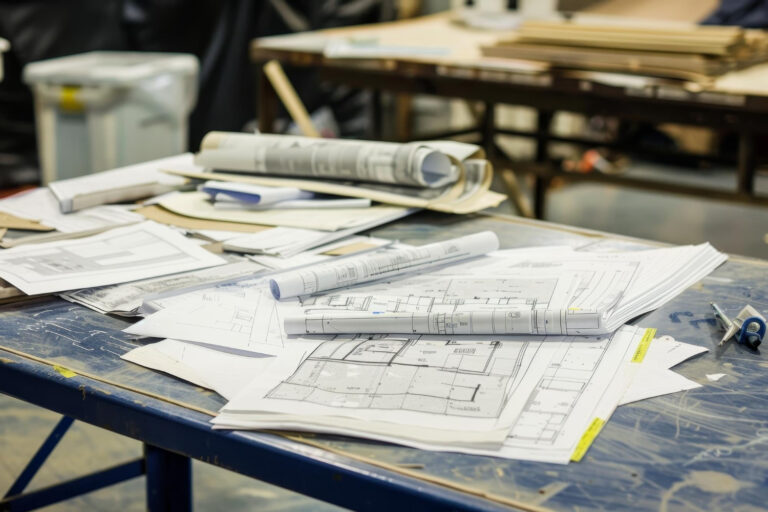
Strong visuals support the written contents. Inspectors use clear, timestamped images and may annotate them to show direction and measurement. Floorplans and diagrams often help pinpoint where details apply within the property.
All these parts come together to form a strong report. When new disputes arise or claims are made, the report becomes a trusted tool that ensures everyone stays honest and informed. For projects in Perth, where older and newer homes often sit side by side, having this level of detail is especially helpful.
Why Property Damage Documentation Is Important
The purpose of documenting property damage before construction is to protect property owners and builders from unwanted surprises or disputes.
Without accurate records, there’s no reliable way to prove if damage was already there or caused by construction work. Say a new crack appears on your path or wall during a nearby build. If a report shows that same crack was already there before work started, it removes guesswork and blame.
These reports bring structure and clarity to the process:
– Local councils may ask for reports during compliance reviews.
– Tenants and owners have a clean reference of property condition.
– Builders avoid claims and tension, helping projects stay focused.
In Perth’s older neighbourhoods and active developments, that kind of transparency is important. Construction doesn’t have to create conflict, and these reports help manage those risks from day one.
The Process Of Conducting A Dilapidation Report
A dilapidation report is only as good as the inspection behind it. That’s why timing and accuracy matter. Here’s what you can expect when arranging one:
1. Scheduling the Inspection
Reports should be arranged before construction starts. Developers, property owners, or builders usually request these assessments early, leaving enough time to properly review nearby sites.
2. The On-Site Inspection
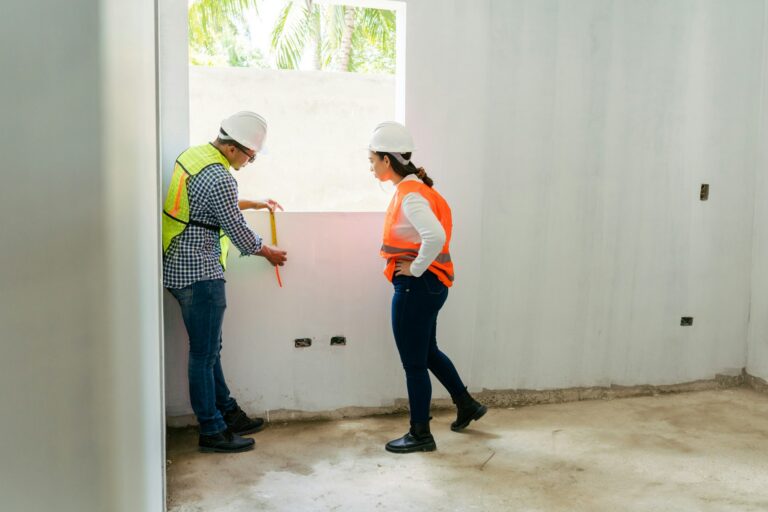
The inspector visits surrounding properties and conducts a thorough walk-through. They look closely at retaining walls, fences, driveways, ceilings, internal walls, verandas, and even slight cosmetic issues. They take notes and photographs to document everything observed during that visit.
3. Compiling and Delivering the Report
After the inspection, the notes and photos are sorted into a formal document. Diagrams, images, and written records are clearly laid out. This report is then shared with builders, homeowners, and anyone else affected. It becomes a shared record that can be used in the event problems arise later.
Prompt report preparation is critical. If you wait until halfway into a job, then the starting condition is already unknown. Since Perth tends to pick up in building activity once the wet months pass, it’s useful to schedule inspections early in the construction calendar to keep things running smoothly.
Keeping Your Property Documentation Efficient
Just having one report at the start often isn’t enough. Construction sites can evolve over time, especially as stages progress and new risks emerge. That’s why ongoing documentation matters just as much as the initial check.
Here are a few ways to keep your records effective:
– Securely store both physical and digital copies of all dilapidation reports.
– Plan for second-stage inspections if major phases occur after long delays.
– Cross-check with earlier reports when work starts up again after breaks.
– If surrounding properties begin new works, it may be worth updating your files.
Getting inspectors involved in these follow-up checks can help flag small issues early. A skilled professional will know where and how problems tend to develop, and how to record them thoroughly. Homeowners might not always spot new hairline cracks or subtle shifts, but experienced eyes can. Regular updating helps ensure the final record stays accurate right through to the end of a project.
Why Choose ABBC Building Inspectors For Your Dilapidation Report In Perth
When timelines are tight, it’s easy to rush through steps like reporting. But taking the time for a proper dilapidation report at the beginning of your construction project can make all the difference. It’s a tool that brings balance and accountability before the noise and movement begin.
In Perth, with its mix of modern developments and older homes, even a small construction vibration can affect nearby properties. That’s why clear documentation is worth the effort. It gives builders and neighbours confidence that everyone’s interests are being respected and understood before any digging starts.
ABBC Building Inspectors understand the local conditions, council standards, and construction trends around Perth. With years of experience, our team knows how to carry out inspections the right way at the right time. We help you keep property reports accurate, thorough, and reliable. Whether it’s a private home next door to a large build or a business owner preparing for neighbouring works, our reports protect what matters.
To help your project stay on track from the start, it’s worth arranging a detailed dilapidation report in Perth. It offers a clear look at nearby structures before work begins, giving peace of mind for owners, builders, and neighbours alike. ABBC Building Inspectors can handle every step of this process, so you can move forward with fewer surprises. Reach out to book your inspection today.