
The Most Overlooked Problems in New Home Inspections
Construction projects can be very complex, and it’s easy to miss some issues during the rush to complete a build. These oversights can lead to major problems later on, costing time and money for builders and owners. Identifying these hidden issues before they become significant is important for ensuring a safe and successful project.
Some of the most frequently missed issues include plumbing problems, hidden electrical faults, unnoticed structural weaknesses, and inefficiencies in insulation and ventilation. These elements play a crucial role in the safety and efficiency of a building. Missing one of these can seriously affect the overall quality and durability of the construction.
Monitoring every detail consistently helps prevent these issues from slipping through the cracks. By addressing these potential pitfalls during the construction phase, you can ensure a better outcome and save on future repairs. Understanding what to look for and being vigilant about inspections can protect your investment and deliver a safer, more efficient structure.
Plumbing Issues Often Missed
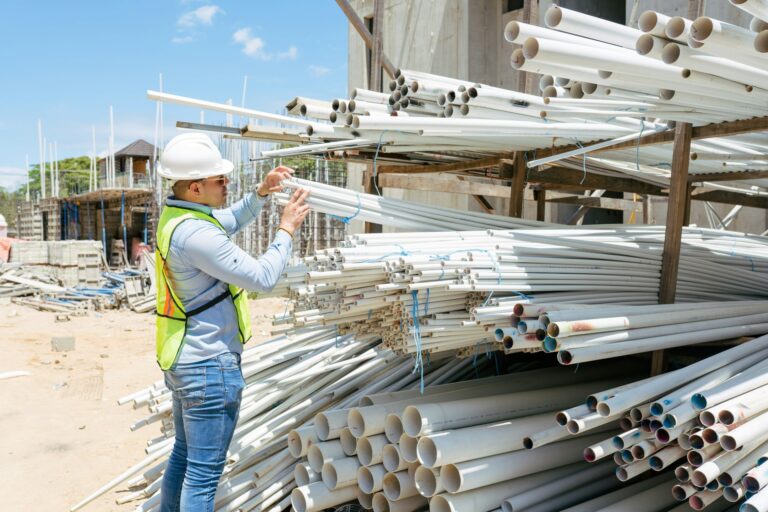
Plumbing problems can sneak up on builders, especially when they’re not obvious until it’s too late. Regular inspections are vital to catching these issues early. Missed plumbing problems can lead to costly repairs and major inconveniences down the line.
There are a few common plumbing issues that inspections often uncover:
- Leaky Pipes: Even small leaks can cause significant water damage over time. Inspections help spot these leaks early, saving you from unpleasant surprises.
- Clogged Drains: Drain blockages are common and easily missed if not checked. Inspectors ensure drains are clear, preventing backups and overflows.
- Poor Water Pressure: Low water pressure might indicate a bigger issue like clogged pipes or faulty installations. Identifying these early prevents bigger headaches.
- Incorrectly Installed Fixtures: Misaligned or improperly installed fixtures can cause inefficiencies and wastage. Regular checks confirm that everything is in place and functioning well.
Finding these issues before they escalate is cheaper and easier than fixing them later. Inspections prevent widespread water damage, keeping the building safe and reducing future repair costs. Regular plumbing inspections maintain the integrity of the water system, ensuring it works efficiently and effectively.
Hidden Electrical Faults
Electrical systems are another critical area where inspections make a big difference. Faults in electrical wiring are not always visible but can pose serious safety risks and lead to electrical fires or equipment failures.
Occasional inspection by electrician shine a light on several common electrical issues:
- Wiring Problems: Old or damaged wiring can be a fire hazard. Inspections check for any frayed or exposed wires that need replacing.
- Overloaded Circuits: Circuits can become overloaded if they handle more electricity than they’re designed for. Inspectors ensure each circuit’s load is appropriate to prevent overheating.
- Faulty Switches: Malfunctioning switches can be indicators of deeper electrical problems. Regular checks ensure all switches are operating safely.
- Improper Grounding: Proper grounding is essential for electrical safety. Inspections confirm that all systems have adequate grounding to prevent shocks and short circuits.
Addressing electrical faults protects both the building and its occupants. Regular inspections prevent dangerous situations, ensuring a safe and reliable electrical system. Identifying and fixing issues early reduces the risk of accidents and aids in maintaining a functional and efficient environment.
Structural Weaknesses Not Obvious
Identifying structural weaknesses during construction in Perth can be tricky, as some are hidden beneath the surface. Yet, ensuring the structural integrity of a building is crucial for safety and longevity. Regular inspections can uncover subtle signs that indicate underlying structural issues.
Inspections focus on several areas to detect weaknesses:
- Foundations: Cracks in the footings or slabs may hint at settling issues or stress points. Inspectors catch these early signs, preventing future stability problems.
- Load-Bearing Walls: Walls that carry loads require careful monitoring. Even small cracks or shifts can indicate trouble, and inspections help assess their condition.
- Beams and Columns: Structural beams and columns must remain strong. Inspections check for bending, corrosion or damage that would compromise their ability to support weight.
- Roof Structure: A sagging or uneven roof might suggest deeper structural issues. Regular inspections ensure the roof framework is aligned and capable of supporting necessary loads.
Finding and addressing these weaknesses preserves the building’s structural integrity. Inspections act as a safeguard, ensuring that each element is fit to sustain its designated role. This proactive approach helps avoid costly repairs and guarantees that the structure remains safe and sound for occupants.
Inefficiencies in Insulation and Ventilation
Proper insulation and ventilation are essential for comfort, energy efficiency, and air quality in any building. However, inefficiencies here are often overlooked during construction, leading to higher energy bills and an uncomfortable environment.
Inspections focus on:
- Insulation Quality: Outdated or poorly installed insulation can decrease efficiency. Inspectors verify that insulation is of high quality and correctly installed to keep the building energy-efficient.
- Ventilation Systems: Proper airflow ensures good air quality and regulates temperature. Inspections ensure that ventilation systems are functioning well and are free of blockages that could impede performance.
- Window and Door Seals: Gaps or poorly sealed windows and doors lead to energy loss and drafts. Inspections check these areas to guarantee tight seals and optimal energy conservation.
- Moisture Control: Insufficient ventilation can cause mould or dampness. Regular checks ensure systems manage humidity levels effectively, protecting both health and the building’s integrity.
Addressing insulation and ventilation issues through inspections helps create a comfortable, healthy, and cost-effective environment. Proper systems enhance the building’s energy performance, reduce utility costs, and improve the overall living space quality.
Conclusion
Under construction inspections are essential for identifying potential problems before they become serious. By focusing on plumbing, electrical, structural, and efficiency issues, inspections ensure buildings are safe, functional, and efficient. Regular checks help discover and resolve problems early, leading to better construction outcomes.
Ensuring that each element of a building works as it should means fewer surprises and lower costs down the road. Building inspections protect the interests of everyone involved in the construction process, from builders to end-users. They provide peace of mind that the building meets all necessary standards and will perform as expected.
If you’re undertaking a construction project, collaborating with experienced inspectors can provide valuable new home inspections. Partnering with ABBC Building Inspectors can help ensure your construction project meets its highest potential. Our inspectors work diligently to identify any issues, supporting you in creating a safe and efficient building. Let ABBC Building Inspectors help secure the success of your project.