Why Builders Should Welcome Regular Inspections
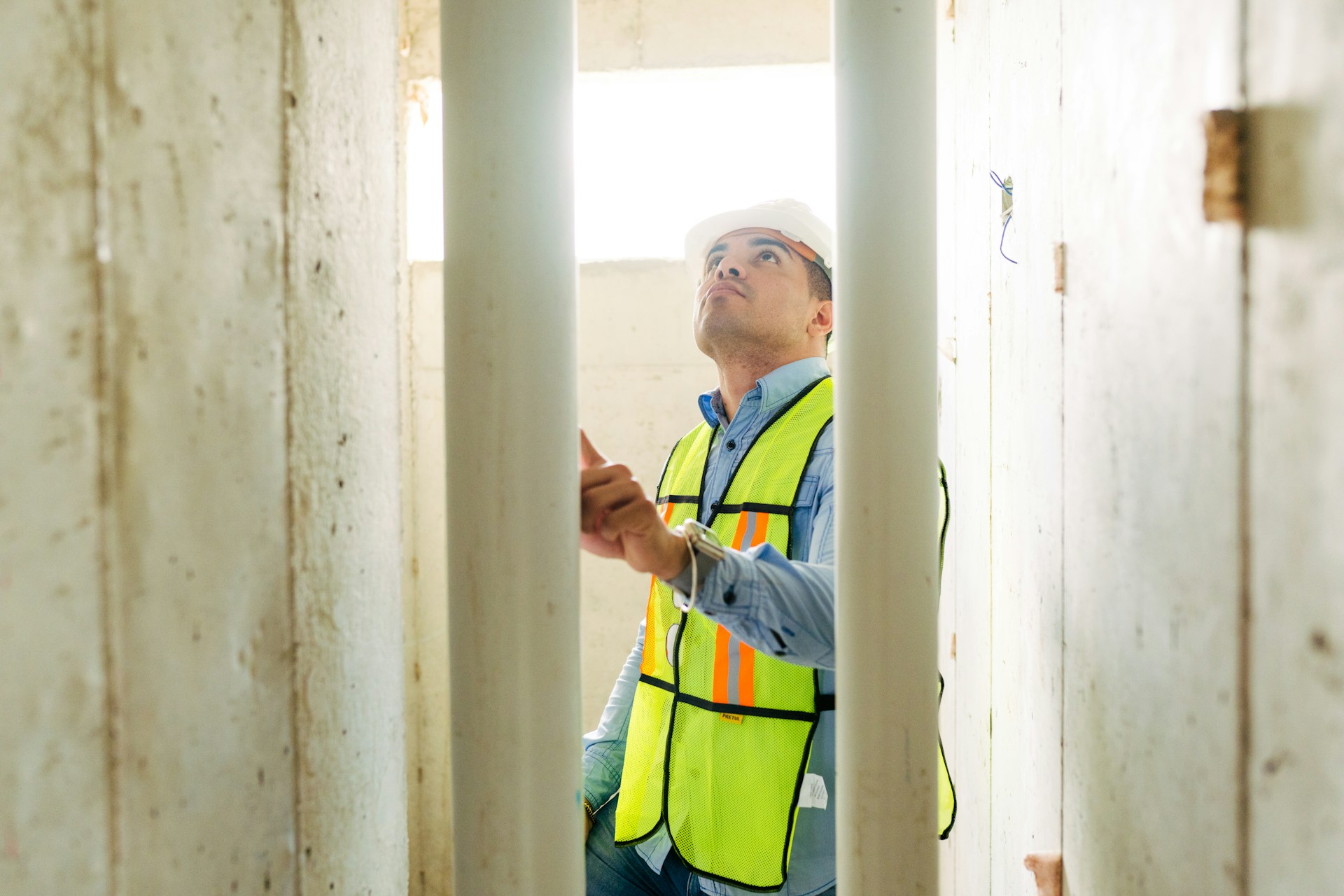
Regular inspections are like having a safety net for building projects. They help ensure everything is built to last. Builders sometimes hesitate about inspections, thinking they might slow things down. However, these inspections are powerful tools that can actually improve the construction process.
Inspections provide a fresh set of eyes that catch problems before they become big issues. They help in spotting mistakes that might have been missed during the hustle of construction. By addressing these concerns right away, builders can focus on creating high-quality structures that stand the test of time.
Welcoming regular inspections is also about creating confidence. It reassures clients and stakeholders that the project meets all safety and quality standards. Embracing this process leads to safer, more efficient builds, proving to be beneficial in the long run. Regular inspections help make sure every detail is just right, leading to successful and worry-free projects.
Enhancing Construction Quality through Inspections
Regular inspections are key to raising the bar on construction quality. They ensure that every part of the building process meets high standards. Builders who embrace inspections find that they lead to better outcomes and more reliable structures.
Inspections catch mistakes and oversights early. It’s common for minor errors to occur during the fast-paced construction process, such as misaligned materials or incorrect installations. Inspectors identify these issues, allowing builders to correct them before they escalate. This proactive approach keeps the project aligned with the design and safety specifications.
Moreover, inspections help maintain compliance with building codes and regulations. These codes are in place to ensure buildings are safe and durable. Regular checks ensure that each phase of construction adheres to these rules, reducing the risk of costly legal issues or necessary rework later.
A focus on quality during inspections also improves the craftsmanship of the builders. It encourages teams to maintain high standards, knowing their work will undergo detailed scrutiny. This commitment to excellence results in sturdier, more reliable buildings that stand strong over time.
By improving construction quality, inspections contribute to the long-term success of building projects. They make sure that no detail is overlooked, ensuring a safe and high-quality final product.
Building Trust with Stakeholders
Regular inspections play a vital role in building trust with stakeholders. These stakeholders include clients, investors, and regulatory authorities who have a vested interest in the success of construction projects. Trust is crucial for smooth cooperation and project approval.
Inspections offer transparency in the construction process. Stakeholders appreciate when builders are open about their progress and any challenges they face. By providing regular inspection reports, builders keep stakeholders informed and engaged, which fosters trust and confidence in the project’s quality.
- Clients: Clients need assurance that their investment is safe and the project meets their expectations. Regular inspections show clients that their interests are protected, enhancing their satisfaction and trust.
- Investors: Investors seek secure and lucrative investments. Demonstrating commitment to quality through regular inspections reassures them that their investment is sound, reducing their risk and encouraging continued support.
- Regulatory Authorities: Regular inspections and attending to the items requiring attention builds a positive reputation with regulatory bodies.
Effective communication, backed by detailed inspection results, strengthens relationships. When stakeholders see that builders prioritise quality and transparency, they are more likely to support the project. This rapport leads to smoother project management and future opportunities. Regular inspections are thus a cornerstone in building and maintaining trust with everyone involved.
Reducing Long-term Costs with Preventative Inspections
Preventative inspections are a smart strategy for cutting down long-term costs in construction projects. By identifying potential issues early, inspections allow builders to address problems before they escalate. This proactive approach saves money and ensures the financial health of the project.
- Early Problem Detection: Inspections help catch issues like faulty wiring or poor materials early, when fixes are simpler and cheaper. This prevents these small problems from becoming costly repairs later.
- Avoiding Expensive Rework: When inspections are skipped, unnoticed errors can lead to major structural changes. Catching these issues upfront avoids the need for expensive rework, keeping the project budget in line.
- Enhancing Energy Efficiency: Inspections ensure that systems such as heating, cooling, and insulation are installed properly, leading to more efficient energy use. This reduces utility costs over the building’s life.
- Reducing Liability: Preventative inspections minimise the risk of accidents and failures, which can lead to legal liabilities. By ensuring safety standards are met, builders can avoid potential legal costs.
Investing in regular inspections upfront leads to significant cost savings over time. It ensures that buildings are constructed efficiently and sustainably, reducing unexpected expenses and maximising the value of the investment.
Boosting Efficiency and Reducing Delays
Regular inspections significantly boost efficiency in construction projects, helping to keep them on track and within deadlines. Inspections guide builders in making timely corrections, maintaining a smooth workflow and minimising setbacks.
Inspections help identify delays before they occur. By spotting issues ahead of time, builders can address potential blockages promptly, preventing interruptions in the construction process. This proactive approach helps manage the project timeline more effectively.
Effective inspections streamline coordination between different teams. By ensuring all systems and materials meet standards, inspections reduce the need for backtracking and redoing tasks. This results in a more seamless and efficient construction process.
Additionally, inspections contribute to resource optimisation. They prevent misuse of materials and ensure the best techniques are used from the start. This reduces waste and maximises the productivity of the teams involved.
By improving efficiency and reducing delays, inspections make building projects more predictable and successful. Builders can adhere to timelines, improve productivity, and ultimately deliver better outcomes for their clients.
Conclusion
Regular inspections are more than just a formality in the construction industry. They are an essential part of ensuring projects are completed efficiently, cost-effectively, and to high standards of quality. By embracing and integrating regular inspections into the building process, constructors can significantly enhance their project’s outcomes.
Inspections boost construction quality by identifying potential issues early, ensuring that each detail is attended to with care. They build trust with stakeholders by providing transparency and reliability, which is crucial for maintaining strong relationships. By focusing on preventative inspections, constructors can reduce long-term costs, saving on expensive rework and enhancing energy efficiency. Additionally, inspections streamline project efficiency, reducing delays and fostering smooth collaboration among teams.
If you’re involved in a construction project and want to ensure it’s carried out to the highest standards, consider working with ABBC Building Inspectors. We offer comprehensive building inspection services that can help you achieve excellence in your projects. Reach out to us to learn more about how we can support your construction journey with expertise and dedication to quality.