How to Spot Issues in Under Construction Inspections
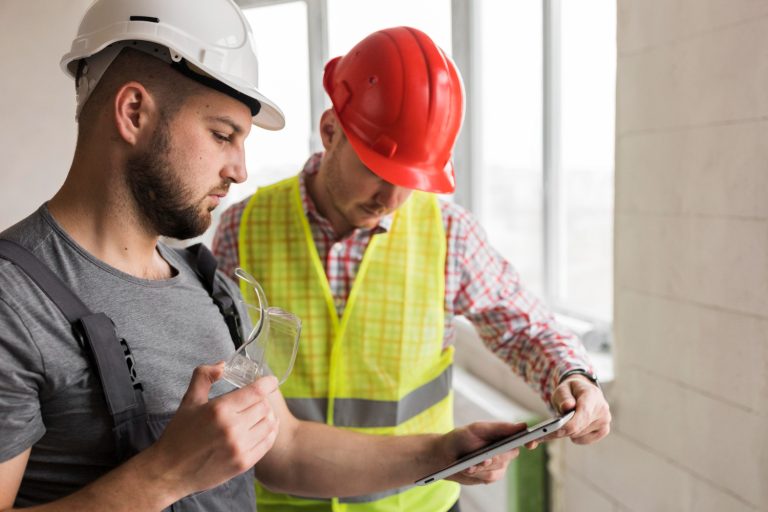
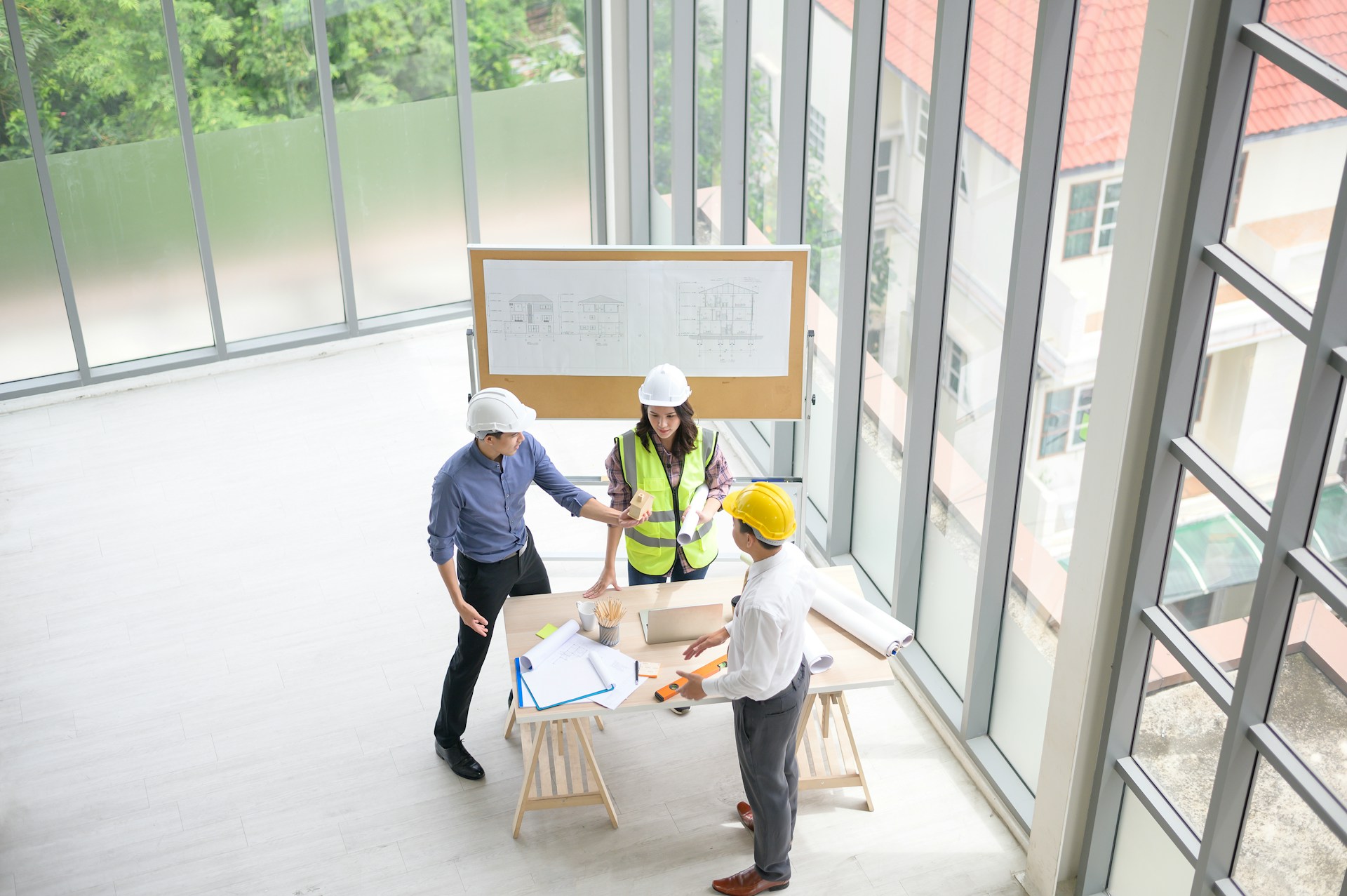
Building or renovating a property is a significant investment, and ensuring that everything is going according to plan is crucial. Under construction inspections play a major role in this process, helping to spot potential issues before they become bigger problems. These inspections can identify structural defects, plumbing and electrical issues, poor workmanship, and safety hazards, making sure that your project remains on track and avoids costly surprises.
Knowing what to look for during these inspections can make all the difference. By keeping an eye out for specific warning signs, you can address problems early and ensure your building project meets all standards. Regular inspections help maintain quality, safety, and compliance, providing peace of mind that your project is being built to last.
In this article, we will explore how to spot issues during under construction inspections. We will cover essential areas to focus on, such as identifying structural defects, spotting plumbing and electrical issues, recognising poor workmanship, and detecting safety hazards. Understanding these key aspects will help ensure your building project runs smoothly and meets all necessary requirements.
Identifying Structural Defects
Structural defects are serious problems that can compromise the safety and stability of a building. During under construction inspections, it’s important to look for signs of these issues early to prevent costly repairs later. One common structural defect is cracks in the foundation. These cracks can indicate settling issues or poor-quality concrete. Inspectors should check the foundation thoroughly for any signs of damage or weakness.
Additionally, it’s crucial to examine the framing. The framing is like the skeleton of the building, and any misalignment or damage can affect the entire structure. Look for bowing, warping, or gaps between the framing and other materials. These could be signs of poor workmanship or structural stress. It’s also important to ensure that all connections are secure and properly fastened.
Roofing is another area where structural defects can occur. Inspect for any sagging or uneven areas on the roof. These could indicate issues with the roof’s support system or overall design. By catching these problems early, we can address them before they become major issues that compromise the building’s safety and integrity.
Spotting Plumbing and Electrical Issues
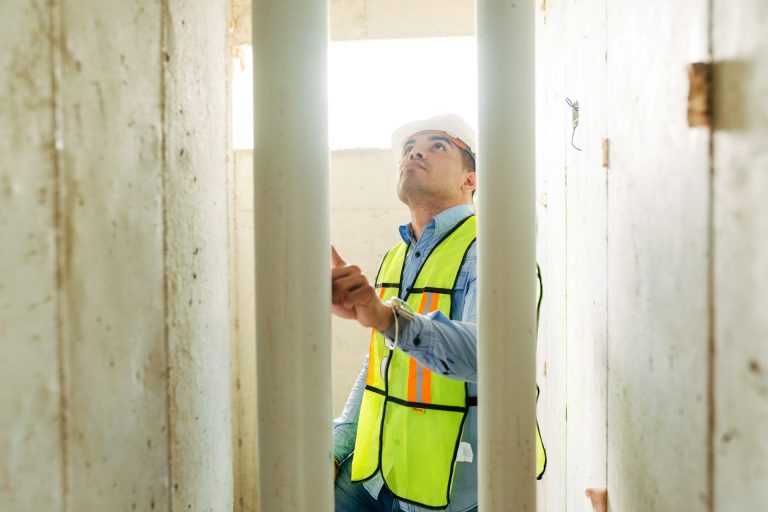
Plumbing and electrical issues are common problems in construction that can cause significant damage if not addressed promptly. During inspections, it’s vital to check all plumbing systems for leaks or improper installation. Look for damp spots or water stains, as these are clear indicators of a plumbing issue. Pipes should be secured properly, and all connections should be tight to prevent leaks.
For electrical systems, inspect all wiring for signs of wear or damage. Ensure that all connections are secure and that there are no exposed wires. Exposed wires can be dangerous and pose a fire risk. Also, check that all electrical outlets and switches are installed correctly and functioning properly. Any irregularities should be addressed immediately to avoid potential safety hazards.
Inspectors should also make sure that plumbing and electrical systems comply with Australian building codes and local health regulations. Non-compliance can lead to fines and delays in the construction process. By thoroughly inspecting these systems, you can prevent future problems and ensure that your building’s utilities are safe and reliable.
Recognising Poor Workmanship
Poor workmanship can lead to numerous problems in a building project, affecting everything from the aesthetic appeal to structural integrity. One of the signs of poor workmanship is uneven surfaces. Check for crooked walls, uneven floors, and misaligned tiles. These issues not only look bad but can also indicate deeper problems with the construction process.
Another sign of poor workmanship is improper fitting and finishing. Look at how windows and doors are installed. They should fit snugly without gaps. Any gaps can lead to drafts, water leaks, and even pest entry. Additionally, inspect the paint and plaster work. Any cracks, bubbles, or inconsistent finishes are indicators that the job was rushed or not done correctly.
Pay attention to the quality of materials used. Sometimes poor workmanship can be a result of using substandard materials. Check for signs of wear or damage in materials that should be new and robust. For instance, wood should be free of cracks and splits, and metal parts should not show signs of rust or corrosion. Recognising these issues early allows you to address them before the project moves too far along.
Detecting Safety Hazards
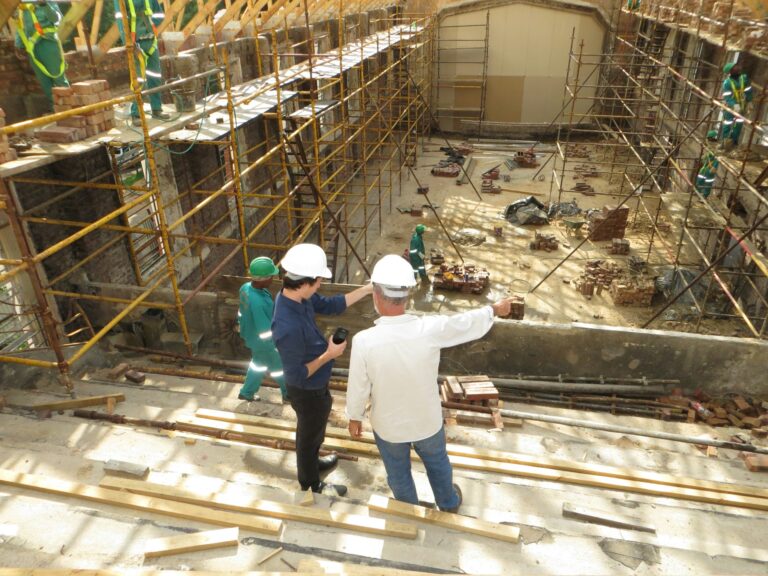
Safety hazards can pose significant risks to both the workers on site and the future occupants of the building. One of the primary safety hazards to look for during inspections is the state of scaffolding and ladders. These should be stable and properly assembled. Unstable scaffolding can lead to serious accidents and injuries.
Another common safety hazard is the presence of exposed nails, wires, and sharp objects. These pose obvious risks of injury. Make sure that all construction debris is properly cleared and that tools are stored safely. Additionally, check for proper use of personal protective equipment (PPE) by all workers on site. This includes helmets, gloves, and safety goggles.
Fire safety is another crucial area to inspect. Make sure that fire exits are clearly marked and easily accessible on multi-storey apartments and homes. Inspect the installation of fire alarms and sprinklers to ensure they are up to code. Poor fire safety measures can lead to devastating consequences and should be rectified immediately. By addressing these safety hazards, we can ensure a secure environment for everyone involved.
Conclusion
Spotting issues during under construction inspections ensures a smooth building process and a safe, high-quality result. These inspections help identify structural defects, plumbing and electrical issues, poor workmanship, and safety hazards. By catching these problems early, we can address them before they become bigger, costlier issues.
Regular inspections not only save time and money but also provide peace of mind. They guarantee that the building project meets all necessary standards and regulations. Knowing that each phase of your project is thoroughly checked and verified allows you to focus on the overall vision for your property.
If you’re looking for expert under construction inspections in Perth, reach out to ABBC Building Inspectors. Our experienced team of building inspectors will help you identify and address any issues, ensuring your project is completed to the highest standards. Contact us today to schedule your inspection.