Critical Stages for Under Construction Inspections
Under construction inspections are vital for ensuring that each part of a building project meets high standards of safety and quality. These inspections occur at specific stages, each playing a crucial role in the overall success of the construction. By focusing on critical stages of inspection, builders ensure that every aspect of the project is monitored and addressed.
The construction process involves various complex steps, from laying the slab to the final finishes. Each stage requires careful attention to detail and adherence to safety standards. Regular inspections help catch potential problems before they escalate, providing peace of mind and security to both builders and future occupants.
Understanding the importance of these inspections helps streamline the construction process, reducing delays and ensuring quality outcomes. By committing to thorough inspections at every stage, builders promote safety, enhance workmanship, and ensure the longevity of the structure. These inspections are an investment in the building’s future, making sure it stands strong for years to come.
Foundation Inspection: Ensuring a Stable Base
Foundation inspections are the first critical step in the construction process. This stage sets the groundwork, quite literally, for the entire building. Ensuring a strong foundation is crucial because any issues at this stage can lead to major problems later on.
Inspectors start by checking the soil and site conditions to ensure they are suitable for building. They assess whether the ground can support the structure without shifting or settling. This involves examining:
- Soil Composition: Inspectors look at soil type and stability. Different types of soil can affect the foundation’s strength and ability to support weight.
- Site Drainage: Proper drainage prevents water from pooling around the foundation, which can weaken it.
- Foundation Materials: Inspectors check materials like fines content of the soil to ensure they meet the necessary standards for strength and durability.
During the inspection, any signs of cracking or movement in the concrete slab are noted. A crack doesn’t necessarily mean that there is a structural problem, but is a sign that the slab is under stress. Inspectors ensure that the foundation is level and properly aligned with the building plans. Addressing any discrepancies early is vital to maintain structural integrity. A solid foundation inspection prevents costly repairs and ensures the building will remain stable and secure for years.
Framing Inspection: Checking the Building’s Skeleton
Once the foundation is secure, the focus shifts to the framing, which acts as the building’s skeleton. The framing holds everything together and helps shape the structure. Inspecting this stage is essential to ensure it supports the building correctly and safely.
Inspectors examine several aspects of the framing to ensure it is up to standard:
- Structural Alignment: They check that walls, floors, and roof frames are straight and properly aligned with the blueprints.
- Joint Connections: Inspectors carefully assess how beams and supports connect. Secure joints ensure stability and prevent potential failures.
- Material Quality: The quality of materials, such as timber or steel, is crucial. Inspectors ensure these materials are in good condition and free from defects.
- Bracing and Supports: Proper bracing and support systems are vital to withstand weather conditions and other external forces.
During the framing inspection, any safety hazards or weaknesses are identified for the builder to rectify. This ensures the building proceeds to the next stages with confidence in the structural support. A thorough framing inspection guarantees the building’s skeleton remains strong and reliable, forming a safe framework for the completed structure.
Cover to the House: Roof Plumbing and Claddings
At Roof On stage, we would be looking to make sure that the roof cover and roof plumbing are built to deal with the 1 in 100 year storms which Murphy’s Law says will hit next year. Downpipe sizes, valley sizes, roof pitches, roof profiles are all important for shedding a certain amount of water in a certain time under a certain amount of wind pressure. Similarly, claddings over a pliable membrane are designed to shed water, not allow water in through poor flashings, poor fixings or poor jointing.
System Inspections: Plumbing and Electrical Precision
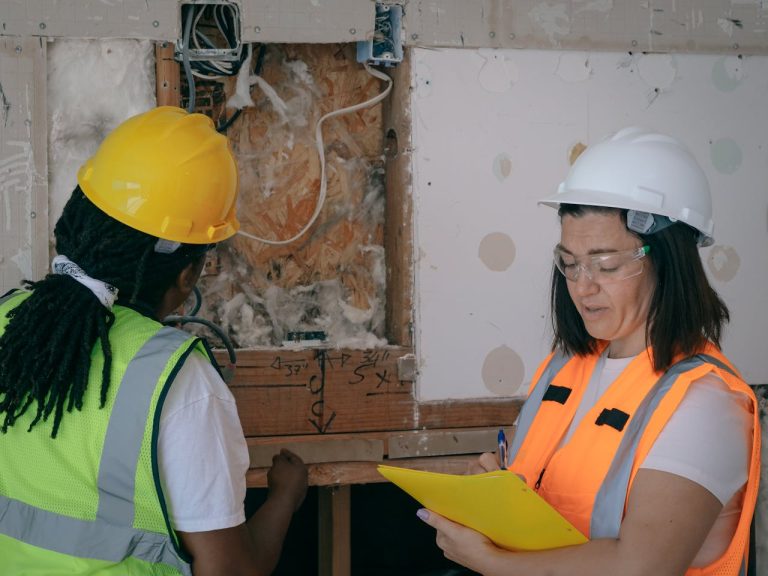
Ensuring plumbing and electrical systems are installed precisely is crucial for the safety and functionality of a building. During construction, these systems are often concealed within walls and floors, making it critical to inspect them thoroughly before they are covered.
Plumbing Systems
Plumbing inspections help identify potential leaks, pipe misalignments, and drainage issues. Even small mistakes in plumbing can lead to significant problems like water damage and mould if they go unnoticed. Inspections check for secure pipe connections and proper slope to allow seamless water flow, preventing blockages and backups.
Electrical Systems
Electrical inspections are vital for preventing hazards like short circuits and fires. Inspectors verify that all wiring is properly installed and safely encased. This includes checking that outlets and switches are correctly placed and function as intended. Proper grounding is also essential to ensure safety from electric shocks. Inspections confirm that circuits aren’t overloaded and that breaker panels are in compliance with safety standards.
Overall, these system inspections play a crucial role in making sure that all plumbing and electrical aspects of the building are safe, efficient, and ready for long-term use. Addressing these concerns during construction helps avoid inconvenient and potentially dangerous repairs later on.
Final Walkthrough: Ensuring Completion and Safety
The final walkthrough is the last safety net to ensure everything is completed correctly and is safe for occupancy. It provides an opportunity to catch any remaining issues before the project is officially wrapped up.
Key Focus Areas During Final Walkthrough:
- Finishing Touches: Inspectors ensure all finishes are complete and meet the quality expected. This includes checking paintwork, flooring, and other visible aspects.
- Functionality Check: All doors, windows, and fixtures are tested to confirm they operate smoothly. Inspectors make sure that plumbing and electrical systems function as intended.
- Safety Measures: Safety features like smoke detectors, railings, and emergency exits are thoroughly checked. This ensures compliance with safety regulations and readiness for occupancy.
- Documentation Review: Reviewing construction documents and inspection reports ensures every phase has been approved and completed to the required standards.
Conducting a final walkthrough prevents any surprises after the handover. It confirms that the building is ready for use, with all systems working properly and safely. This step secures the builder’s reputation for quality and care, ensuring client satisfaction.
Conclusion
Inspecting during critical stages of construction ensures that each aspect of a building project meets high standards. From plumbing and electrical precision to a thorough final walkthrough, regular inspections prevent costly issues and guarantee safety. Inspections are a proactive measure that identifies problems early on, ensuring they are resolved before they can impact the project’s success.
These inspections protect the investment made in the building and enhance its overall quality. They provide peace of mind to all stakeholders, from builders and contractors to clients and future occupants. By maintaining a strong focus on inspections, builders uphold their responsibility to create safe, efficient, and durable structures.
If you want your construction project to meet the highest standards of safety and quality, consider reaching out to ABBC Building Inspectors. We provide comprehensive inspection services that ensure every detail of your project is up to par. Let us help you build structures that stand the test of time. Contact us today to learn more about how our under construction inspection service can support your building needs.