Addressing Structural Weaknesses Found During Construction Inspections
Building a new home or commercial space is an exciting venture, but it comes with its share of challenges. One of the most important aspects to consider during construction is the inspection for structural weaknesses. These inspections are like the safety checks that ensure everything is being built correctly and to standard. Ignoring these early warning signs can be a costly mistake. Inspections help spot any weaknesses as they emerge, safeguarding the integrity of the building before issues can escalate.
In Perth, building standards are designed to meet the unique climate and conditions, making inspections even more crucial. As anyone living in Perth can attest, the local environment demands special consideration during construction. From intense summer heat to occasionally unpredictable storms, structures here need to be robust and resistant to thermal expansion and contraction forces. Regular inspections during the building process ensure that any possible structural weaknesses are identified and addressed quickly.
Understanding Structural Weaknesses
Structural weaknesses refer to any aspects of a building’s architecture or systems that could compromise its stability or safety. It’s like finding a crack in a dam, seemingly small at first but potentially catastrophic if left unchecked. During construction, attention must be paid to these weaknesses to ensure the durability and safety of the building. Here are some common types of structural weaknesses that might show up:
– Foundation Cracks: These can occur due to soil movement or poor construction practices and, if ignored, may lead to major issues.
– Roof Leaks: Even a small leak can indicate bigger problems, like faulty installation or poor materials being used.
– Improperly installed or sized Beams: Beams bear much of a building’s weight. If installed incorrectly, they can compromise the building’s structural integrity.
– Lack of suitable steel reinforcing at vital places: Reinforcing steel plays a critical role in concrete and brickwork, to control unwanted cracking, and provide resistance to tensile forces.
Ignoring these weaknesses can lead to significant risks, such as compromised safety or costly repairs. Buildings with unnoticed weaknesses might experience everything from minor inconveniences to severe structural failures. Regular assessments during the building process help catch these potential pitfalls, ensuring a safer and more reliable final structure.
Identifying Structural Weaknesses During Inspections
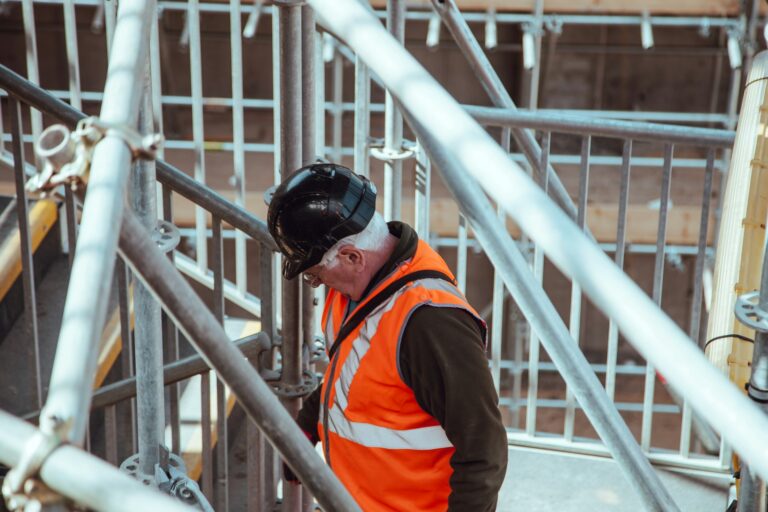
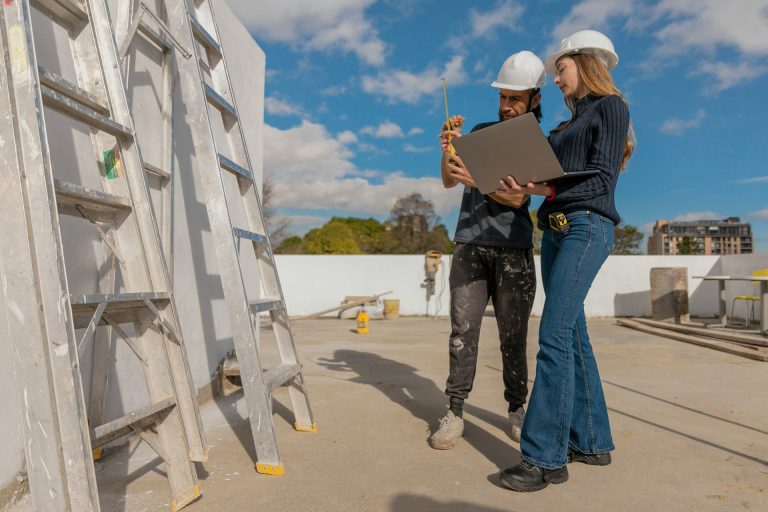
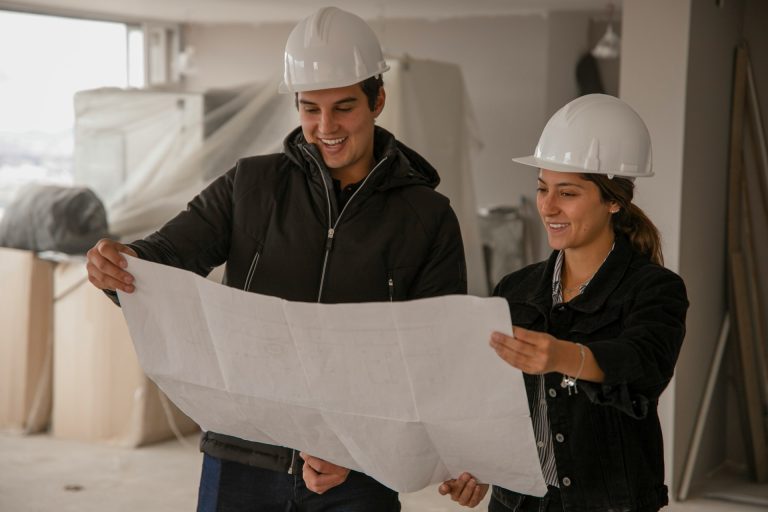
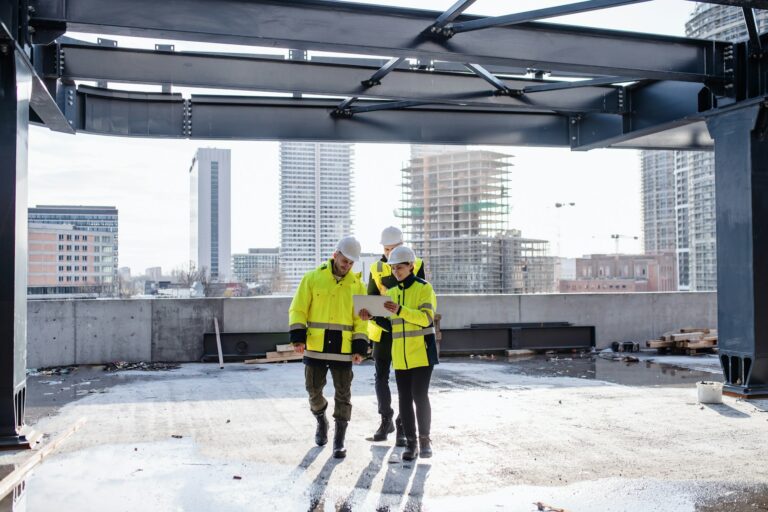
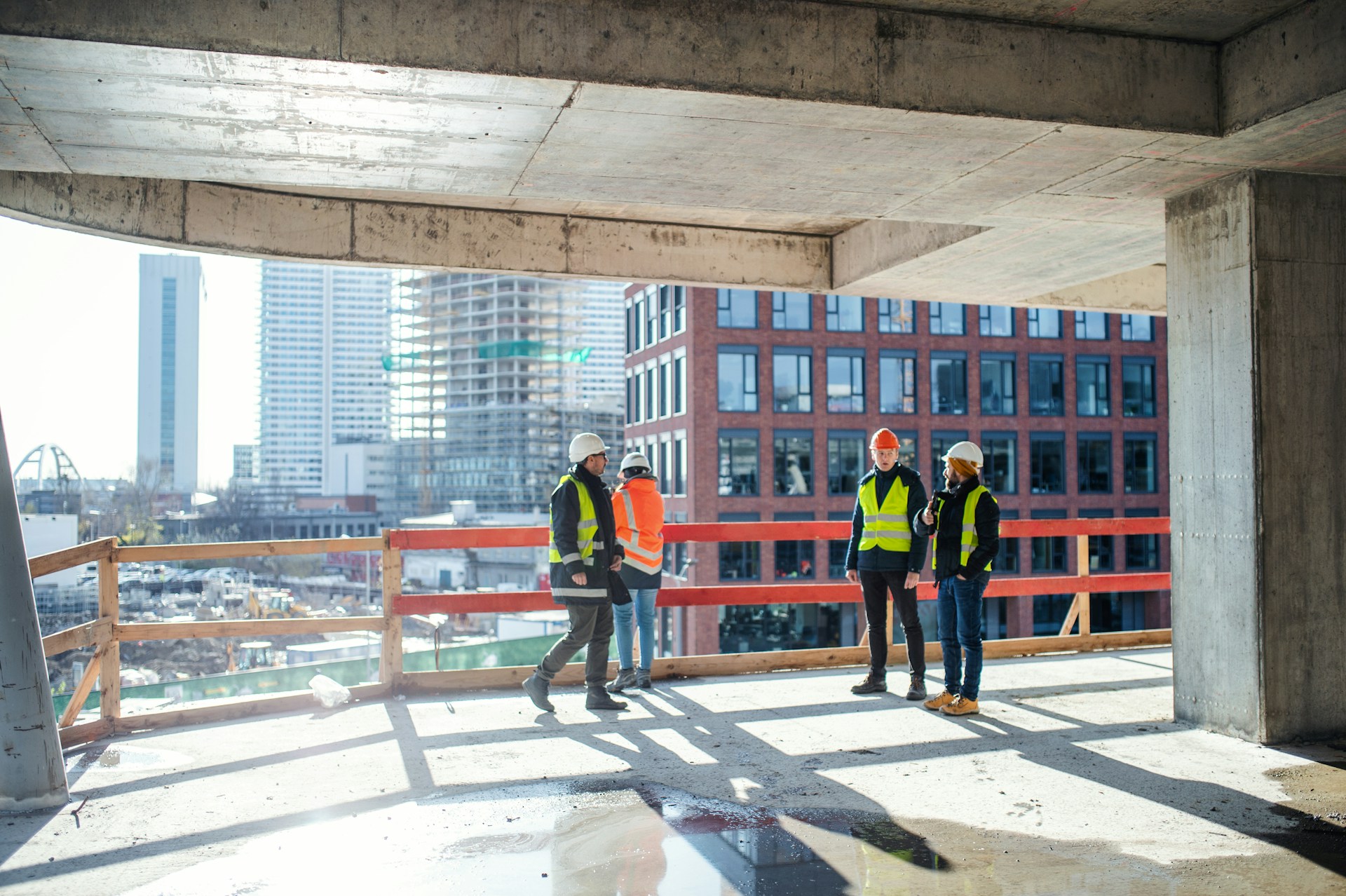
During the construction phase, inspections play a key role in spotting weaknesses that could turn into bigger issues once the building is complete. The inspection process focuses on several key areas, ensuring that each part of the structure meets the necessary standards.
1. Foundations: Inspectors check for any foundation cracks or misalignments, as these form the base of a sturdy building. If the foundation shows signs of weakness, the entire building could be at risk.
2. Beams and Load-Bearing Walls: These components support the structural integrity of the building. Inspectors pay special attention to ensure they are installed correctly and free from damage or defects that could compromise their strength.
3. Roof Structures: The roof must be built to withstand local weather conditions and provide adequate protection. Inspectors look for potential weak spots that might lead to leaks or other issues over time.
4. Concrete Structures: Inspecting ground floor footings and slabs and upper floor slabs prior to pouring can identify a host of issues, ranging from incorrect spacing of reinforcement to incorrect placement of blockouts, to missing lighting canisters.
Various tools and methods are used during these inspections, like crack gauges and moisture meters. Inspectors rely on their expertise to interpret these tools’ readings and identify early warning signs that could indicate deeper problems.
Preventive Measures and Solutions
Once structural weaknesses are identified, it’s vital to address them promptly to avoid future complications. Here are some strategies used to tackle these issues:
– Reinforcement: Strengthening areas found to be weak by adding additional support or using more robust materials.
– Repairs and Adjustments: Fixing minor issues before they escalate. This may involve straightening a beam, filling in foundation cracks, or resealing a portion of the roof.
– Professional Consultation: Always seek a qualified professional to handle these repairs. They ensure that solutions are implemented correctly, preventing future headaches.
The benefits of tackling these concerns early can’t be overstated. Addressing a structural issue during construction not only saves time and money but also ensures the building remains safe and secure for its intended use. When problems are resolved before they worsen, it contributes to the longevity and reliability of the building.
Ensuring Quality and Safety
Regular inspections are more than just a formality; they’re a cornerstone of quality and safety in construction. By consistently checking all aspects of a building as it takes shape, inspectors can ensure that everything aligns with the set standards. When inspections are part of the routine, it means fewer surprises down the road and a better outcome for everyone involved.
In conclusion, paying close attention to structural inspections supports both the immediate safety and the long-term durability of any structure. It’s much like tending to a garden—care and attention will lead to stronger, more resilient growth. In construction, consistent inspections help catch little issues before they become problems, fostering a setting that both builders and future occupants can trust and enjoy.
For those looking to secure their building’s future, trusting the experts is key. ABBC Building Inspectors is dedicated to ensuring your peace of mind by conducting thorough assessments during your project’s construction phase. Learn more about how we can assist with a comprehensive building structural inspection in Perth, helping you address any concerns early on for a safer, more reliable structure.