
Signs of Poor Insulation During Under Construction Inspections
Constructing a new home is full of excitement, but it also comes with its share of challenges. Ensuring that every aspect of the house is built to provide comfort and efficiency is key. One critical component that often goes unnoticed is insulation. Proper insulation acts much like a blanket for your home, keeping it cosy in winter and cool in summer. Without it, you’re likely to run into various issues that can lead to discomfort and increased energy bills.
Spotting poor insulation during under construction inspections is crucial because it allows you to address problems while they are still manageable. Early detection can save a lot of time, money, and energy in the long run. Imagine catching a leaky pipe before it floods an entire room; that’s the kind of proactive action we’re talking about. Examine the common signs of poor insulation during inspections to ensure your future home doesn’t face these troubles.
Signs of Poor Insulation During Inspections
1. Unfinished or Thin Insulation Layers
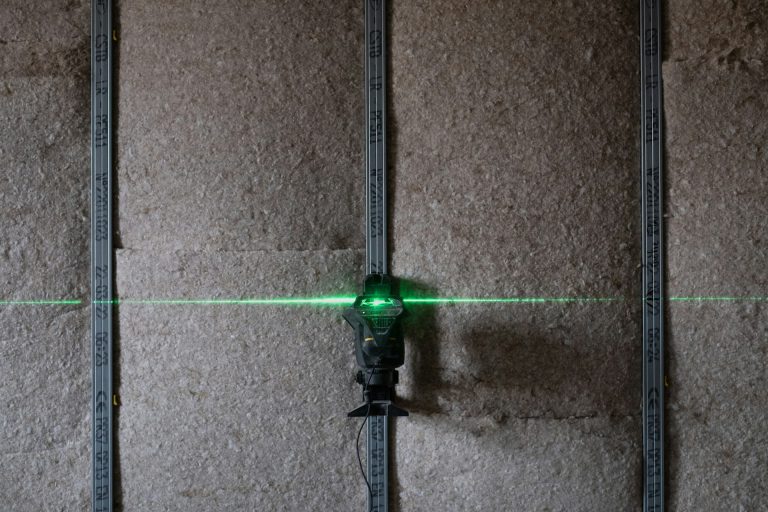
Insulation should be even and fully cover all areas requiring it. Think of it like wrapping a gift; you wouldn’t leave parts of the present exposed. Proper insulation not only enhances energy efficiency but also contributes to a comfortable indoor environment. When inspectors notice thin or unfinished layers, it’s a red flag. These layers might look patchy or incomplete, and not addressing them can lead to drafty rooms and higher energy costs.
2. Drafts and Uneven Temperatures
Walking into a room and feeling a sudden cold or hot draft can be a strong indicator of inadequate insulation. Drafts occur when there are gaps that allow air to seep in or out of the house. Such inconsistencies can create varying temperatures across different rooms, meaning your cooling or heating system has to work harder to maintain a comfortable atmosphere. Keeping every room at a consistent temperature is a sign that insulation is doing its job properly.
3. Moisture and Condensation
Another telltale sign that insulation isn’t up to par is the presence of moisture or condensation in unexpected places. Properly installed insulation should help control humidity and prevent water buildup. When there is moisture, it can pave the way for mold and mildew, which are not only unsightly but can also pose health risks. If inspectors spot condensation on windows or walls, it might mean that the insulation is failing, and steps should be taken to fix it sooner rather than later.
4. Higher Noise Levels
A lack of good insulation doesn’t just let air sneak through; it can also let unwanted sounds invade your space. When the insulation is inadequate, you’ll often find that outside noise becomes a part of your indoor environment. Whether it’s a neighbour’s lawnmower or traffic from a nearby street, these sounds could become more noticeable, disturbing the peace at home. Good insulation acts like a barrier, blocking many of these sounds. If you notice a big difference in noise levels compared to outside, it’s worth having someone check the insulation.
5. Visible Gaps and Cracks
Keep an eye out for any visible gaps and cracks during inspections. These signs often mean that the insulation isn’t fully doing its job. Gaps in insulation can lead to drafts, energy loss, and increased bills. For instance, if there are spaces along the edges of windows or at joints between walls, it might be a sign that the insulation wasn’t applied with care. Effective insulation provides a continuous barrier without breaks, making sure that air doesn’t slip through unnoticed.
6. Wet or Damp Insulation
Dark staining to claddings, peeling or bubbling of paintwork, these are all signs of moisture penetrating where it shouldn’t. Damp insulation materials cannot do their job efficiently, because heating goes to drying the damp not heating the house. Similarly for cooling, as the water in the damp is a hugely efficient store of energy.
Checking Insulation for a Better Home
Realizing the signs of poor insulation is the first step in addressing potential problems in your new home. The importance of catching these issues during the construction phase cannot be overstated. It’s like tightening the lid on a jar to keep the freshness in; properly applied insulation keeps your home comfortable and energy efficient. It prevents unnecessary wear and tear on your heating and cooling systems, saving you money in the long run.
Engaging with professionals who understand the nuances of insulation can make a significant difference. They have the expertise to spot the issues that might not be apparent to the untrained eye. Once identified, rectifying these problems during construction ensures you won’t have to deal with costly repairs or uncomfortable living conditions later on. By addressing insulation concerns early, you pave the way for a home that’s not just a place to live, but a haven of comfort and efficiency.
Ensure that your new home is built to provide comfort and efficiency right from the start. For a more detailed look at what home building inspections should cover, including the importance of proper insulation, trust ABBC Building Inspectors. Taking this step now can make all the difference in avoiding future hassles and ensuring a cosy, quiet home environment.