Why Framing Inspections Are Key
In the world of construction, framing serves as the backbone of any building. It provides the necessary support and structure, much like a skeleton. Proper framing ensures that a building stands strong, maintains its shape, and offers long-lasting durability. When the framing is expertly done, everything else in construction falls into place more efficiently.
However, not every construction project gets framing right from the start. Issues like warping, misalignment, and weak connections can lead to major problems if left unchecked. These errors can compromise the stability of a home, posing safety risks and leading to expensive repairs down the line.
This is where regular framing inspections come in. They play a crucial role in identifying and addressing potential issues before they become serious. By conducting thorough inspections, you can catch problems early, safeguard your investment, and ensure the structural integrity of your home. Understanding the importance of framing inspections can make a significant difference in the quality and safety of any building project.
Understanding the Role of Framing
Framing is a fundamental aspect of building structures, acting as the skeleton that gives shape and stability to the entire construction. It is essentially the framework that supports walls, roofs, and floors, holding everything together. Proper framing ensures that a building can withstand various forces, such as gravity, wind, and even minor earthquakes, without collapsing or sustaining significant damage.
Framing provides a solid base for other construction elements, playing a crucial role in maintaining the structural integrity and overall durability of a building. Without a well-constructed frame, walls might not align properly, and roofs could sag or fail under weight. Therefore, it is vital for framing to be precise and robust from the start.
The long-term durability of any building heavily relies on the quality of its framing. Poor framing can lead to problems like uneven floors, doors that don’t close properly, and even cracks in the walls. Ensuring high standards in framing from the outset means that a building will stand strong through the years, requiring fewer repairs and offering ongoing safety for its occupants.
Common Framing Issues and Their Impact
Framing, while essential, is not without its challenges. Several common issues can arise during the framing phase, which, if not addressed, might lead to significant problems later on. Some of these issues include:
- Warping: Wood can warp due to moisture changes, leading to uneven and unstable structures.
- Misalignment: Inaccurate measurements or placements lead to walls and ceilings that lean or appear crooked.
- Poor Connections: Weak or improper connections between structural elements compromise integrity.
These framing problems can have serious consequences. Structurally, they might weaken the building, affecting its capability to handle weight and stress. For homeowners, skewed frames can cause cosmetic issues, like cracked walls, that eventually demand expensive fixes.
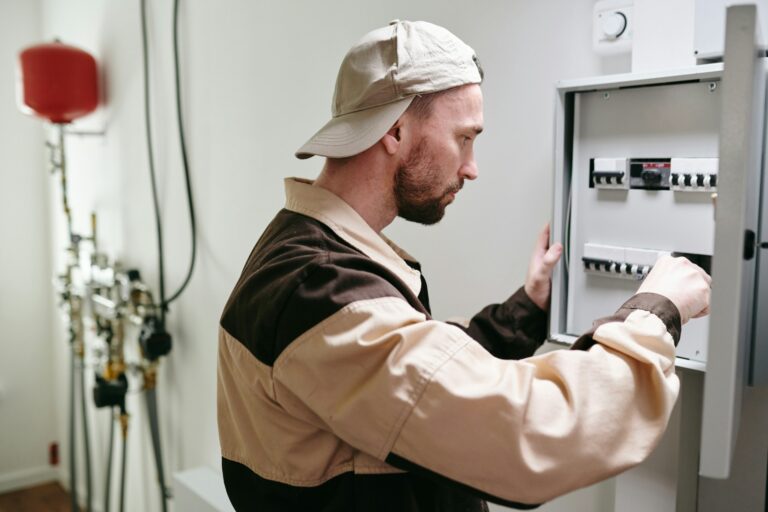
Worse yet, unnoticed framing errors can escalate into safety hazards. For example, a frame that is not properly aligned might obstruct or interfere with the insulation or electrical wiring systems, which can pose risks to inhabitants. Additionally, structural weaknesses could lead to damage during severe weather conditions.
Addressing framing issues early in the construction phase prevents these expensive and potentially hazardous outcomes. Regular inspections ensure that framing is done correctly, significantly reducing the need for costly repairs or adjustments in the future.
Components of a Thorough Framing Inspection
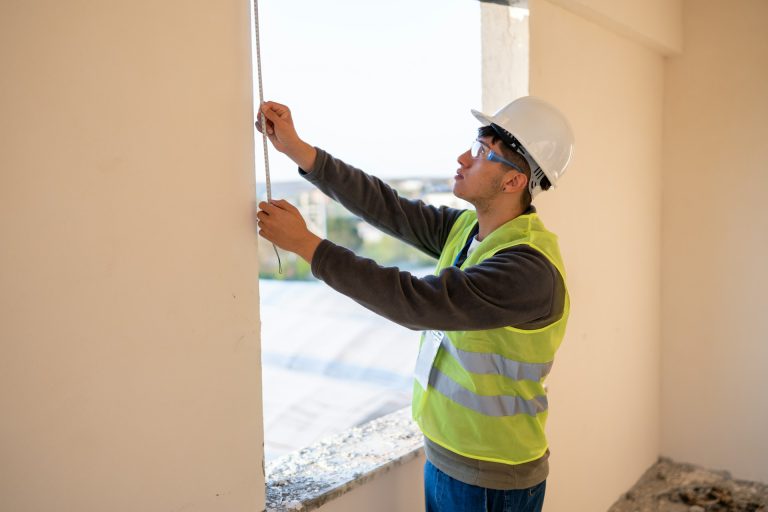
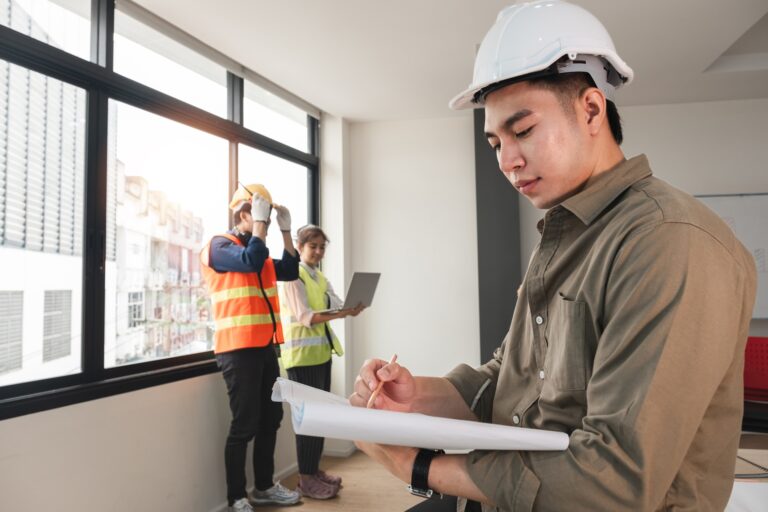
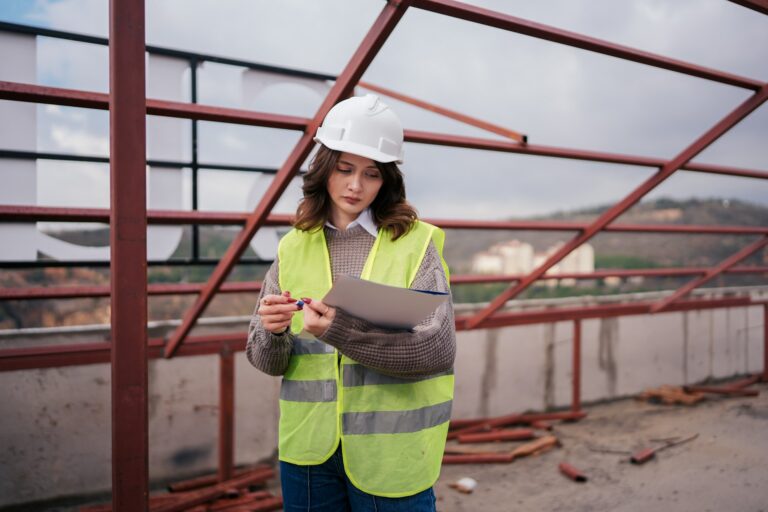
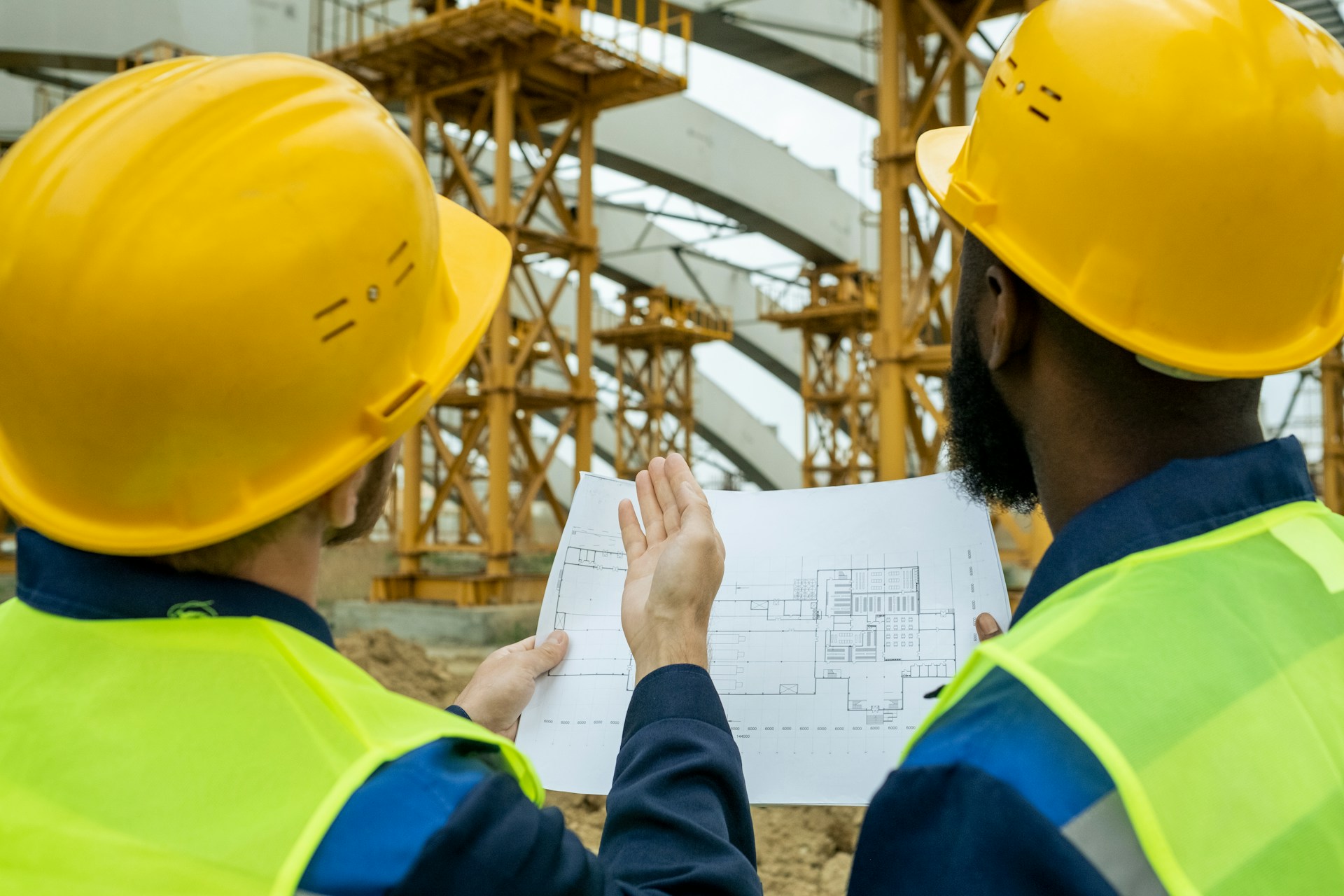
A thorough framing inspection involves several key elements and checkpoints to ensure the structure is sound and safe. Inspectors start by examining the overall design and how it aligns with the construction plans. They check for straight lines and ensure that every part of the frame meets the set measurements and angles. This process guarantees that all elements of the frame come together precisely without deviation.
Inspectors also assess the quality of materials used in the framing process. They look at the type of wood or metal for durability and suitability for the specific building. Connections between structural elements are scrutinised to be sure they are secure. Proper nailing, bolting, and joint methods are checked to prevent any weak points that could cause problems later on.
Advanced tools and technology, such as laser levels and moisture meters, help inspectors identify hidden defects in the framing. These tools allow for precise inspections that catch issues not immediately visible to the naked eye. Thermal imaging might also be used to detect irregularities in the materials or construction, ensuring comprehensive scanning of the entire frame. Inspectors use all these methods to create a detailed report, which helps builders correct any issues promptly.
Benefits of Regular Framing Inspections
Regular framing inspections offer several significant benefits, which ultimately prevent major structural problems. These inspections help detect potential issues early on, allowing for timely repairs before they escalate. By doing so, homeowners can avoid costly fixes and ensure the safety of the building throughout its lifespan.
Framing inspections contribute to a secure home environment by maintaining the structural stability of the building. When framing is checked regularly, the risks of collapse or movement within the frame decrease. This leads to peace of mind for homeowners, knowing their home is safe and built to last. Regular inspections can also help identify and resolve issues like wood rot or pest infestation that might not be apparent initially.
Inspections play a crucial role in maintaining property value. A home with a well-documented record of inspections often appeals to buyers and investors, as it shows dedication to quality and safety. Ensuring structural integrity through regular checks can contribute to the long-term appreciation of the property, making it a worthwhile investment over time.
Conclusion:
Framing inspections are critical in the construction process, ensuring that a building’s skeleton is both sturdy and reliable. By understanding framing’s role and addressing common issues, builders can enhance the overall safety and durability of new homes. Comprehensive inspections focus not only on visible aspects but delve deeper, utilising technology to uncover hidden defects.
Regular checks ensure buildings remain secure and prevent possible problems from developing, safeguarding both property values and occupant safety. For those involved in the building or buying process, framing inspections represent a vital step in guaranteeing long-term satisfaction and security. They form a proactive approach to maintaining structural integrity and optimal living conditions.
When looking to build or purchase a new home, trust ABBC Building Inspectors to provide detailed framing inspections. Our team ensures every home meets high standards of quality and safety, enabling you to enjoy peace of mind knowing your property is well-constructed. Contact us today for professional insights and reliable construction inspection in Perth that protect your investment.