The Importance of Building Defect Inspections for Under Construction Projects
Building a home is a big adventure, full of hopes and dreams. But with all the excitement, it’s easy to overlook details that can have a huge impact later. This is where building inspections come into play. These inspections are crucial during the construction phase to ensure everything is up to standard. Without them, small issues could turn into big, costly problems after you’ve settled into your new home.
Building inspections help catch mistakes before they become disasters in the construction process. They act like a checkpoint for quality, ensuring safety and saving you from headaches in the long run.
Identifying Common Building Defects
New construction projects often face various potential defects. Understanding these common issues early can make all the difference. Let’s explore some typical defects you might encounter:
– Structural Weakness: This could mean poorly aligned beams, lack of bracing or weak foundations that might not support the building’s weight properly.
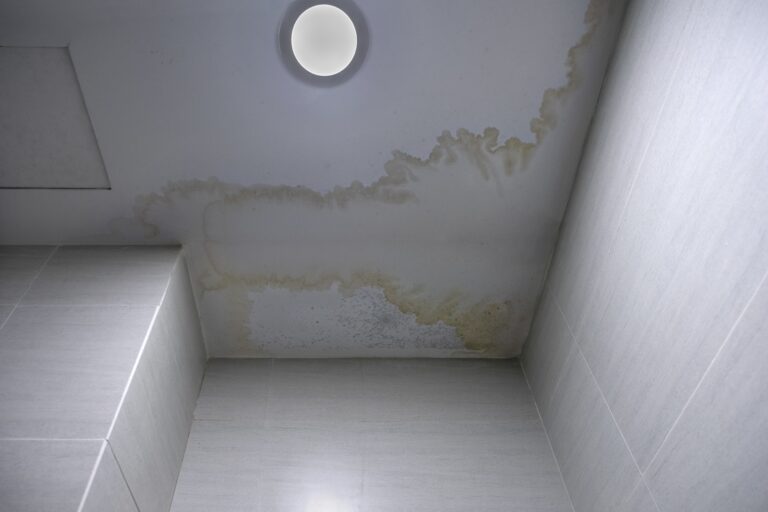
– Poorly installed cladding: Poorly installed roof and wall cladding, especially with a lack of detailing to flashings to make sure water gets out of a wall or roof system may lead to widespread leaks and mould.
– Electrical Mishaps: Faulty wiring is more common than you might think. It can lead to serious hazards, including fires or malfunctioning electrical systems.
– Plumbing Problems: Incorrectly installed pipes can cause leaks, which might lead to water damage that’s both costly and disruptive.
Detecting these issues sooner rather than later helps in addressing them effectively, saving time and money. When defects are hidden behind walls or under floors, they can become costly to fix once the construction progresses. A thorough inspection during the building phase helps you avoid these traps.
Benefits of Building Defect Inspections
Building defect inspections offer numerous advantages that could save the day both literally and financially. Here’s why they’re so helpful:
– Safety Assurance: Inspections ensure that all building components meet safety standards, reducing the risk of future accidents or mishaps.
– Peace of Mind: Knowing that everything has been double-checked by professionals allows for peace of mind, so you can focus on making your new house a home.
– Cost Efficiency: By identifying and fixing issues early, you can potentially save on large repair costs after moving in.
– Compliance Check: These inspections help ensure every detail complies with local building codes, which can prevent legal complications down the road.
Incorporating defect inspections into your construction plan isn’t just a luxury; it’s a smart strategy to protect your investment and ensure a smoother transition into your new space.
The Inspection Process
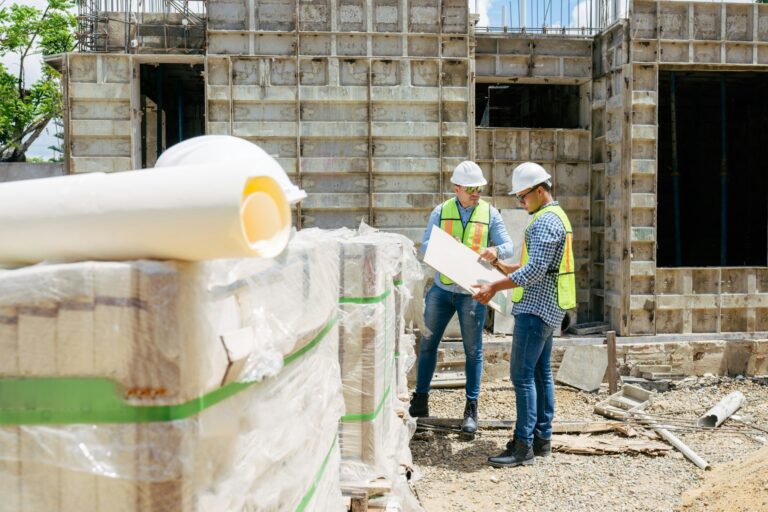
Getting a building defect inspection is a bit like having a detailed check-up for your future home. It’s an important step that ensures everything is in good condition and built to last. Let’s walk through what typically happens during this process.
1. Initial Assessment: The inspector starts by taking a look at the construction plans and comparing them to what’s been built so far. This helps spot any deviations early on.
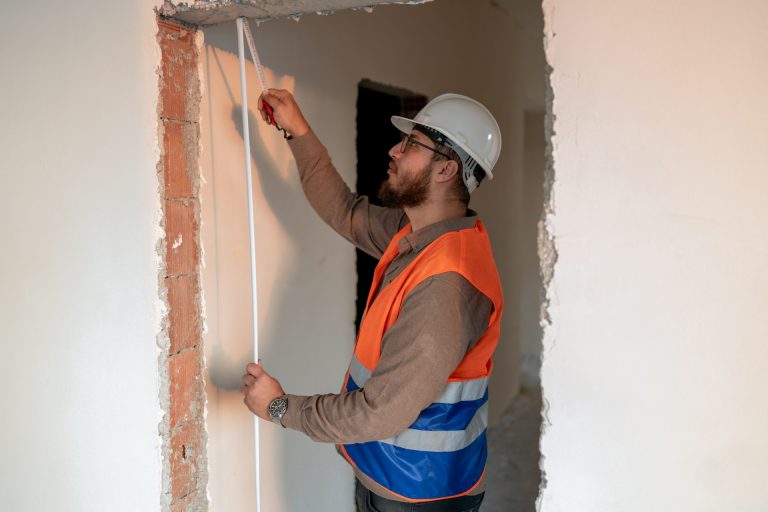
2. Site Visit: The inspector visits the construction site and examines every detail, checking for things like structural integrity, electrical setups, and plumbing work to ensure they meet safety standards.
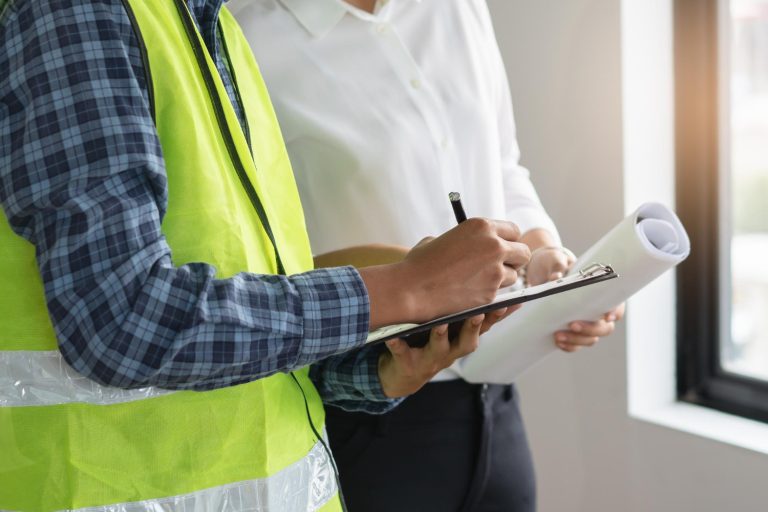
3. Documentation: Any issues found are documented with photographs and notes. This record is crucial for the builder to know exactly what needs fixing.
4. Assessment Report: A detailed report is prepared, explaining any defects and what steps are needed to address them. This report serves as a roadmap for corrections.
5. Follow-Up Inspection: In some cases, a follow-up inspection might be necessary to ensure all identified issues have been resolved properly.
The key here is thoroughness and attention. Every corner of the property is checked, leaving no stone unturned. This process provides peace of mind, knowing your future home’s components are safe and sound.
Choosing the Right Inspector
Picking the right inspector for your project can make a world of difference. You want someone experienced and qualified, so here are some tips to guide you:
– Look for Qualifications: Make sure the inspector is registered as a builder and has relevant qualifications. This ensures they have the necessary knowledge and skills.
– Experience Matters: Check how long they’ve been in the business. An inspector with years of experience will likely have a keen eye for spotting issues.
– Ask for References: Speaking to past clients can provide insights into an inspector’s reliability and thoroughness.
– Communication Skills: Choose someone who communicates clearly and is easy to understand. This will help you grasp complex issues without any jargon.
– Attention to Detail: Inspectors who are detail-oriented are less likely to miss small but significant defects.
Selecting the right person for the job ensures a comprehensive inspection, making it a valuable investment in your future home.
Importance of Regular Inspections
Completing this process highlights the significance of regular inspections during the building phase. They are an essential safety net, catching problems before they escalate. These check-ups not only help maintain building standards but also give you confidence that your project is progressing smoothly.
In the end, investing time in organising these inspections pays off by securing your peace of mind and protecting the quality and safety of your new home. Taking proactive steps during construction ensures that your future dwelling stands the test of time, free from unexpected repairs or issues that could have been avoided. Prioritising these inspections is truly a wise choice, setting the stage for years of enjoyment and comfort in your new space.
To safeguard your investment and ensure a smooth construction process, trust ABBC Building Inspectors to help you maintain quality and safety throughout your build. You can better protect your property from future issues by understanding the importance of a thorough building defects inspection.