Finding Hidden Problems in New Builds
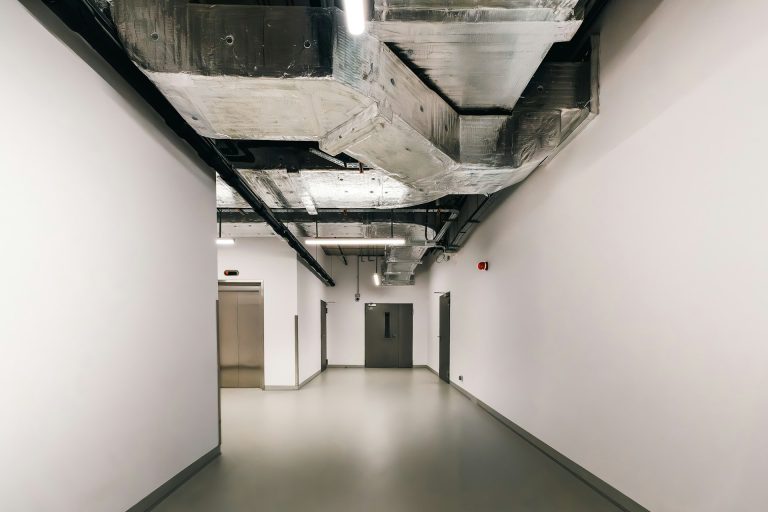
Building a new home is a major milestone and a significant investment. While new builds are generally expected to be free of issues, hidden problems can sometimes emerge. These issues can range from minor inconveniences to serious defects that affect the safety and longevity of your new home. Identifying these hidden problems early can save you time, money, and a lot of headaches in the future.
Common Hidden Problems in New Builds
Even new homes can have hidden problems that can be hard to detect without a thorough inspection. Here are some common issues to look out for:
1. Poorly Installed Plumbing: New builds can sometimes have plumbing issues like leaks or improperly connected pipes. These problems can lead to water damage and even mould growth if not found early.
2. Electrical Problems: Electrical issues, such as loose connections, faulty wiring, or inadequate circuit protection, can pose serious safety risks. These problems might not be obvious but can cause significant hazards over time.
3. Structural Defects: Weak or improperly constructed foundations, walls, or roofs can lead to significant structural issues. Look out for cracks, uneven floors, or doors and windows that don’t close properly.
4. Insufficient Insulation: Poor insulation can make your new home energy-inefficient and uncomfortable. It might not be visible, but you’ll notice it in higher energy bills and temperature fluctuations.
5. Dampness and Poor Ventilation: Moisture build-up due to inadequate ventilation can cause dampness and mould. This is not only bad for your home’s structure but also for your health.
Identifying these problems early can save you from major repairs and ensure that your new build is a safe and comfortable home.
The Importance of Professional Inspections
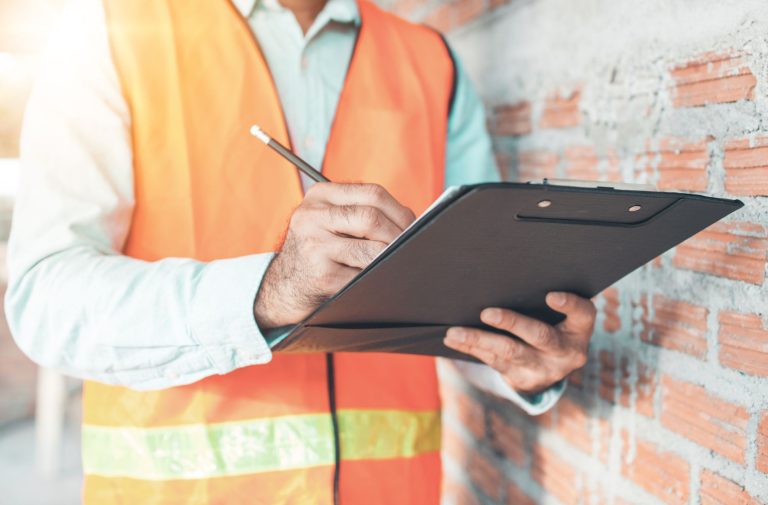
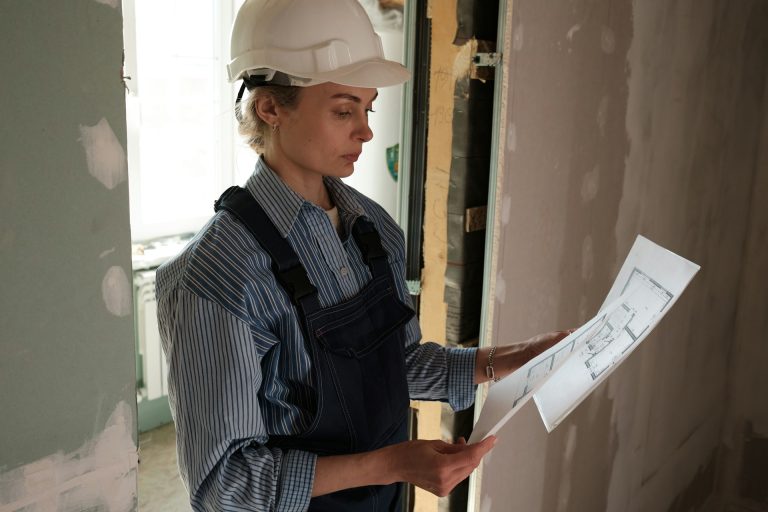
Professional inspections are crucial when it comes to identifying hidden problems in new builds. Inspectors have the training and expertise to spot issues that might go unnoticed by the average homeowner. They use advanced tools and techniques to ensure every part of your new home is thoroughly checked.
A professional inspector checks structural elements, electrical systems, plumbing, and overall building quality. They look beyond the surface to identify underlying problems that could become serious issues later. By catching these problems early, you can address them before they cause significant damage or safety risks.
Regular inspections during construction and after completion are also important. These checks confirm that the builder is following all building codes and standards. They also provide an opportunity to fix any issues while construction is still underway, which is often easier and less costly.
Investing in professional inspections means investing in the long-term safety and quality of your new home. It’s a small cost that can save you from much bigger expenses and headaches in the future. Peace of mind is invaluable, and a thorough inspection is the best way to ensure your new build is up to standard.
Tools and Techniques for Detecting Issues
Detecting hidden problems in new builds requires specialised tools and techniques. Professional inspectors use various methods to ensure no stone is left unturned. Here are some common tools and techniques they use:
1. Drones: These eyesin the sky detect gaps in spandrels, lack of support to gutters, poor fixing of flashings.
2. Moisture Meters: These devices measure the moisture level in building materials. They are essential for detecting dampness and potential mould growth in areas like basements and bathrooms.
3. Borescopes: A borescope is a small camera on a flexible tube that can be inserted into walls and other hard-to-reach areas. This tool allows inspectors to see inside structures without causing damage.
4. Chemistry meters: These monitors check for alkalinity of finished plaster work, important to get right if your paint is going to stick.
5. Digital levels: These meters measure falls accurately for roofs, plumbing, tiling and waterproofing.
Using these tools, inspectors thoroughly check new builds for any hidden problems. By employing advanced techniques, they ensure that even the most elusive issues are identified and addressed.
Addressing and Fixing Hidden Problems
Once hidden problems are identified in a new build, it’s crucial to address and fix them promptly. Ignoring these issues can lead to bigger problems down the line. Here’s a step-by-step process to handle these problems effectively:
1. Review the Inspection Report: Carefully go through the inspection report to understand the nature and severity of each issue. Prioritise the problems that need immediate attention, especially those that affect safety.
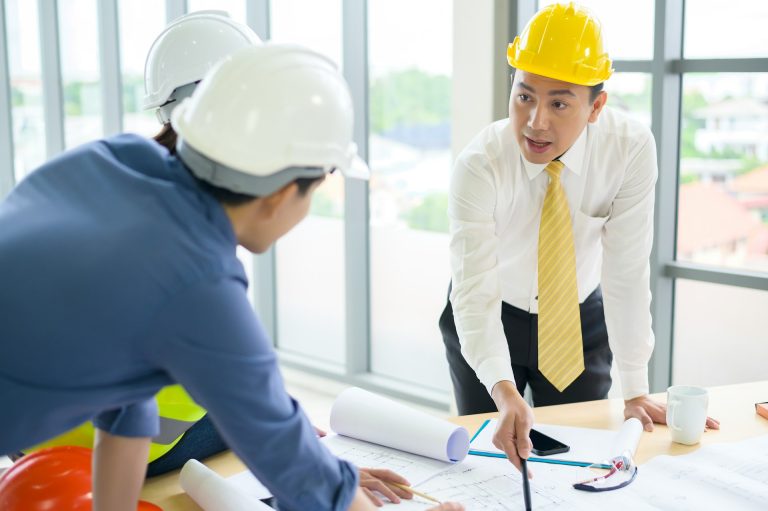
2. Develop a Correction Plan: Create a plan to fix the problems. Discuss this plan with your builder or contractor to ensure they are aware of what needs to be done. Make sure the plan includes timelines and specific steps for addressing each issue.
3. Hire Qualified Tradespeople: For technical issues like plumbing, electrical, or structural defects, hire qualified professionals to do the repairs. Attempting to fix these problems on your own can be risky and may not meet building standards.
4. Schedule Follow-up Inspections: After the repairs are completed, have a follow-up inspection to verify that all issues have been properly addressed. This ensures that the corrections are effective and that the home now meets all required standards.
5. Document Everything: Keep detailed records of the inspection reports, correction plans, and all the repairs carried out. This documentation can be helpful for future maintenance and if you decide to sell the home.
By following these steps, you can effectively address hidden problems in a new build, ensuring your home is safe, comfortable, and built to last.
Conclusion
Finding hidden problems in new builds can be challenging, but it’s essential for ensuring your home is safe and up to standard. Early detection of issues like poorly installed systems, structural defects, and insufficient insulation can save you significant time and money. Professional inspections play a critical role in uncovering these problems. Using advanced tools and techniques, inspectors can identify issues that might not be visible to the untrained eye.
Addressing these hidden problems promptly is crucial. By carefully reviewing inspection reports, developing a correction plan, and hiring qualified professionals for repairs, you can ensure that your new build is in top condition. Regular follow-up inspections further guarantee that all problems have been properly resolved.
Protect your investment and ensure your new home is built to last. Contact ABBC Building Inspectors today to schedule a professional inspection. Our experienced team of building inspectors in Perth is here to help you find and fix any hidden problems in your new build.