
Ensuring Compliance with Building Codes in Inspections
Building codes are essential to ensuring that building works are safe, strong, and functional. These codes are like rules that keep everything in line, making sure buildings can stand strong and keep everyone inside safe. Ignoring these rules might lead to big problems, from safety risks to legal troubles.
Inspectors play a crucial role in making sure building projects follow these codes. They work to check that every part of a building sticks to the rules, from the plumbing to the electrical details. Following these codes means buildings are well-made and safe for everyone, whether they’re homes, schools, or offices.
Understanding and following building codes from the start makes the construction process smoother and prevents obstacles later on. Regular inspections are key to catching issues early, helping avoid costly fixes or changes down the track. This approach not only ensures safety but also keeps everyone involved in the building process happy and compliant with the rules.
Understanding Building Codes and Their Importance
Building codes are like a set of instructions that tell builders how to create safe and strong buildings. These codes cover everything from the materials used to the design of the structure. They help ensure that every building can withstand environmental stresses like wind, rain, and even natural disasters.
The importance of building codes cannot be overstated. They are designed to protect the public by ensuring all buildings are habitable and secure. Following these codes reduces the risk of accidents and ensures that buildings meet health and safety standards. For instance, fire safety codes are in place to prevent the spread of fires and protect lives.
Additionally, building codes help maintain the quality of construction and preserve property values. Buildings that adhere to these standards are often more durable and require fewer repairs over time. Local governments enforce these codes, and not meeting them can lead to fines or necessary renovations.
Building codes also provide a framework for inspectors to evaluate construction projects. Inspectors use these guidelines to assess whether a building is constructed correctly. This ensures that any issues are spotted and corrected before they become bigger problems. Understanding and adhering to building codes is critical for successful and safe construction.
Key Areas of Inspection for Compliance
Ensuring compliance with building codes involves inspecting several key areas of construction. Inspectors focus on these areas to confirm that projects adhere to the required standards, ensuring safety and quality.
1. Structural Components: This includes the foundation, footings, slab, walls, and roof frame. Inspectors check if these elements are constructed safely and will be stable over time.
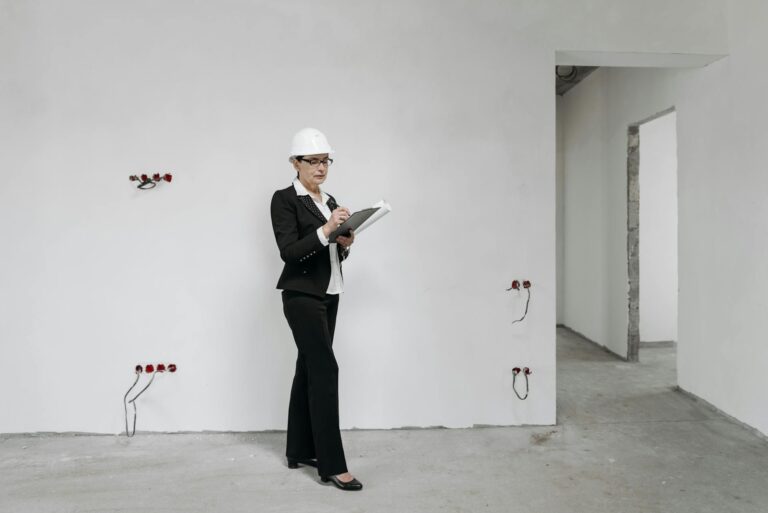
2. Electrical Systems: Proper installation of wiring and electrical circuits is inspected to prevent electrical hazards. Inspectors ensure all electrical setups meet safety codes.
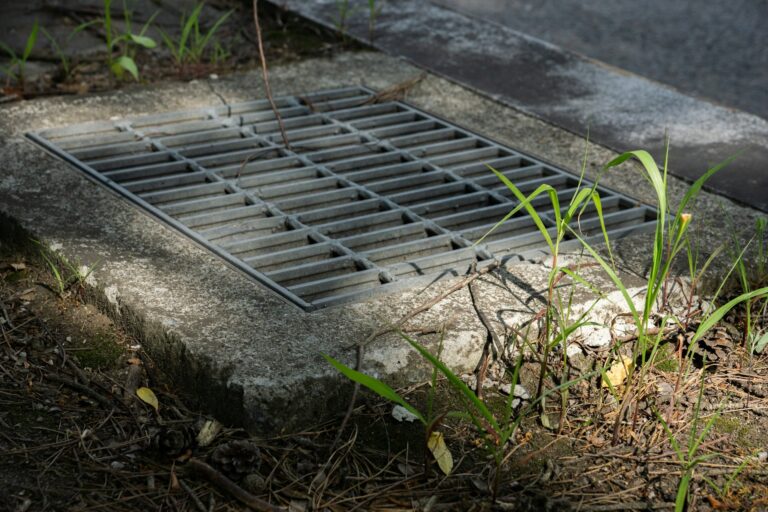
3. Plumbing Systems: Water supply and stormwater drainage systems must meet standards to ensure sanitation and functionality. Inspections verify there are no leaks or blockages.
4. Fire Safety Measures: Fire alarms, escape routes, and sprinkler systems are reviewed to ensure they are effective and accessible during emergencies.
5. Insulation and Ventilation: Proper insulation and ventilation keep buildings comfortable and energy-efficient. Inspectors check these systems to ensure they comply with standards.
Inspecting these areas ensures that every aspect of the building is safe and up to code. Regular inspections during construction help identify and correct any issues early. This approach avoids costly repairs later and ensures that buildings remain safe and durable for years to come. Compliance not only ensures safety but also provides peace of mind for everyone involved in construction.
Common Challenges in Meeting Building Codes
Meeting building codes can be tricky due to several challenges that arise during construction. One of the main challenges is staying updated with the frequent changes and updates in codes. These regulations evolve to incorporate new safety standards and technologies. Builders need to continually educate themselves to avoid falling behind.
Another challenge is the possibility of misinterpretation of codes. Building codes can be complex, with specific requirements that vary by location and project type. Misunderstanding these rules can lead to non-compliance issues. This underscores the importance of clear communication and understanding between all parties involved in a construction project.
Supply chain issues also pose a challenge. Sometimes the materials needed to meet specific code requirements are unavailable, causing delays or the need to find suitable alternatives. Builders must be proactive in sourcing materials that comply with the codes. Substitutions may require to be approved by the owner.
Additionally, budget constraints can lead to corners being cut, risking non-compliance. Builders may be tempted to prioritise cost-cutting over quality, but this can result in violations that might require costly corrections later.
Coordinating multiple contractors and subcontractors presents another challenge. Ensuring that every team aligns with code requirements requires diligent project management and supervision. Good communication and regular inspections help mitigate these challenges, ensuring a smoother path to compliance.
Steps to Achieve and Maintain Compliance
Achieving and maintaining compliance with building codes involves a few strategic steps. These measures ensure that the construction process runs smoothly and meets all regulatory requirements from start to finish.
1. Education and Training: Keeping up-to-date with the latest building codes and standards is essential. Regular training sessions help builders and contractors understand the National Construction Code and implement these codes correctly. Changes to Australian Standards are more subtle and little training on the implementation is available.
2. Regular Inspections: Schedule inspections at various stages of construction. This helps identify potential compliance issues early and provides an opportunity to address them promptly.
3. Clear Communication: Ensure all team members are informed about the specific codes that apply to their projects. A well-informed team is more likely to stay compliant.
4. Detailed Record Keeping: Maintain thorough records of compliance checks, inspections, and corrective actions taken. Proper documentation is crucial if issues arise later.
5. Utilising Technology: Use technology to track compliance. Construction management software helps monitor progress and ensures all aspects meet code requirements.
Following these steps helps maintain compliance effectively. Regular evaluations and an adaptable approach make sure the building project remains on track. Using these methods keeps construction projects safe, efficient, and within legal guidelines.
Conclusion
Ensuring compliance with building codes is vital for the safety and success of any construction project. By understanding the complexities of these codes, builders can navigate the challenges that come with maintaining compliance. Regular inspections and proper training play a crucial role in achieving this goal. They help spot issues early, allowing for timely corrections and adjustments. Good collaboration among all parties involved ensures that everyone understands their responsibilities, reducing the risk of non-compliance.
Meeting building codes not only protects the safety of occupants but also preserves the integrity of the structure. Buildings constructed to meet these standards are more resilient and have greater long-term value. Adhering to codes thus benefits both builders and property owners, creating a safer and more durable construction environment.
Contact ABBC Building Inspectors to ensure your next project adheres to all building codes and standards. Our team brings experience and meticulous attention to detail, offering thorough inspections that keep projects compliant and secure. Let’s work together to ensure your construction align with the highest quality and safety standards. Call us today to learn more about our building inspection services.