Identifying Hazardous Materials During Construction
Identifying hazardous materials is crucial in construction to ensure safety and avoid health risks. These materials, such as polyethylene, asbestos, lead, and silica, are often found on sites and can pose significant dangers if left unchecked. Proper management and handling are key to maintaining a safe environment for workers and future occupants.
Construction sites are busy places, and it’s easy to overlook hazardous materials, especially when they are not immediately visible. Recognising the signs of these materials early on can prevent serious health issues and costly clean-ups later. It’s vital for those involved in construction projects to stay informed about what to look for and how to handle these materials safely.
Regular inspections play a significant role in identifying hazardous materials. By understanding the risks and implementing the right procedures, construction teams can ensure projects are safe and compliant with regulations. This not only protects those working on the site but also the people who will live or work in the buildings once they are completed.
Common Hazardous Materials in Construction
Construction sites often harbour various hazardous materials that pose significant risks to health and safety. Some typical materials encountered are asbestos, lead, and silica.
- Polyethylene: A highly flammable material used in conjunction with aluminium cladding, now banned for all buildings where people sleep, in other than single residential homes.
- Asbestos: Once a popular building material for its fire-resistant properties, asbestos is found in roofing, insulation, and tiles. Exposure can lead to serious respiratory diseases, including asbestosis and lung cancer.
- Lead: Frequently used in old paint and plumbing materials, lead poses severe health risks, especially to children. It can cause developmental problems and damage to the nervous system.
- Silica: Present in materials like concrete, rock, and sand, silica dust is a byproduct of construction activities such as cutting and grinding. Prolonged exposure can result in silicosis, a debilitating lung disease.
Understanding where these materials might be located on a construction site helps in mitigating their risks. Each of these materials, when disturbed, can release particles that are harmful when inhaled or ingested. The health risks associated with these materials warrant careful handling and awareness. It is crucial for construction workers and site managers to recognise the dangers and adopt safety measures to minimise exposure and protect health.
Signs of Hazardous Materials on Site
Recognising the signs of hazardous materials on a construction site can prevent exposure and associated health risks. Here are some indicators:
- Polyethylene: The black plastic is reasonably rigid, usually bonded in a sandwich between two thin sheets of aluminium.
- Asbestos: It often appears as fibrous or dusty material in older constructions. Discoloured or crumbling pipe wrapping might suggest its presence.
- Lead: Old, peeling paint—especially if it’s chipping off in a structure built before 1978—can be a lead hazard.
- Silica: Fine dust clouds during operations like cutting and drilling concrete could indicate hazardous silica dust.
Without proper training, workers might overlook these signs, mistaking them for normal site conditions. It is easy to ignore slightly peeling paint or minor dust clouds if untrained individuals are unaware of potential dangers. This oversight can lead to unintentional exposure, endangering everyone on site.
Spotting these signs early is crucial to prevent potential harm. Quick identification allows for prompt action, reducing the risk of inhalation or contact with harmful materials. Awareness and education are key in safeguarding health by recognising and addressing hazards as soon as they appear on the site.
Safety Protocols and Regulations
Handling hazardous materials during construction requires strict adherence to safety protocols and regulations. These protocols are designed to protect workers and minimise exposure to dangerous substances. Key safety measures include wearing protective clothing such as masks, gloves, and suits to prevent inhalation or contact with hazardous materials. Proper ventilation systems are also crucial to ensure that any airborne particles or vapours are safely expelled from the work area.
Regulations and legal requirements play a significant role in enforcing these safety protocols. For instance, the removal of asbestos must comply with strict guidelines that mandate specific procedures and disposal methods. Similarly, handling lead-based paint requires adherence to guidelines designed to prevent contamination and exposure. These regulations are put in place by government bodies and must be followed to avoid legal penalties and ensure a safe work environment and a completed building with ‘normal’fire resistance properties.
Proper training and certification are critical in maintaining safe practices on construction sites. Workers must be educated on the risks associated with hazardous materials and trained in the correct handling methods. Certification programs help ensure that workers are knowledgeable about current safety standards and procedures. This training empowers workers to recognise hazards, utilise protective equipment effectively, and follow the required protocols, thereby reducing the chance of accidents and exposure.
Role of Inspections in Hazardous Material Management
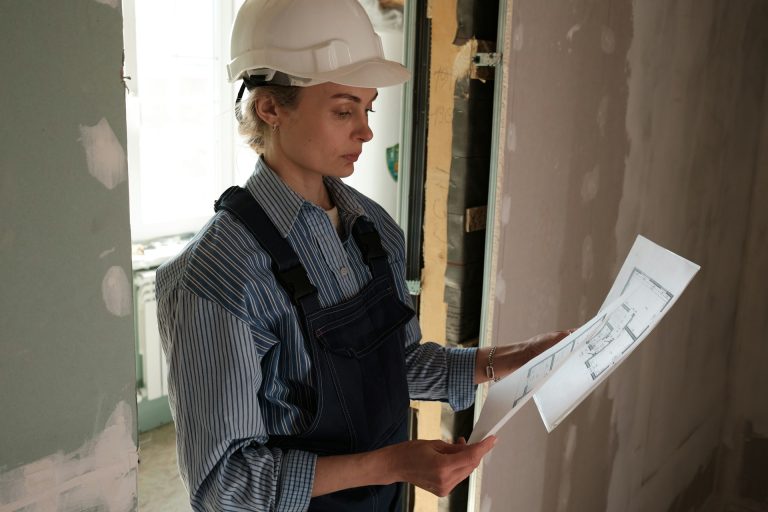
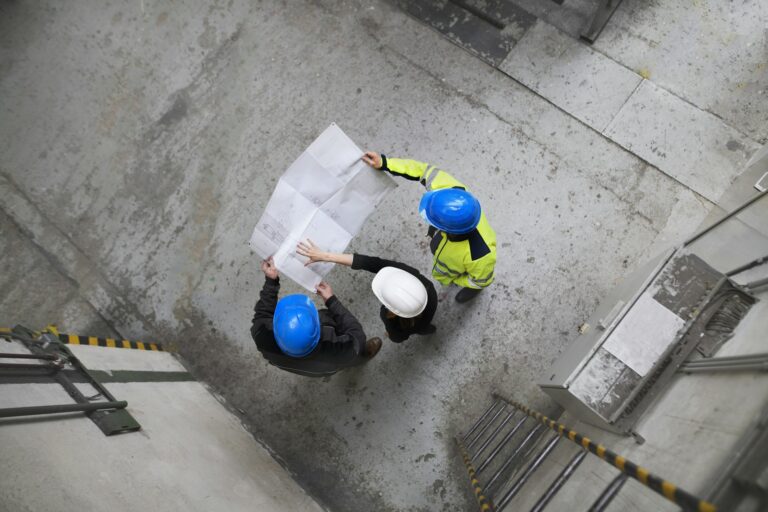
Inspections are vital in managing hazardous materials during construction, as they help identify potential risks early in the process. Inspectors assess the construction site for the presence of hazardous materials, ensuring that any issues are addressed promptly. This early detection is crucial in preventing exposure and allowing for suitable safety measures to be established.
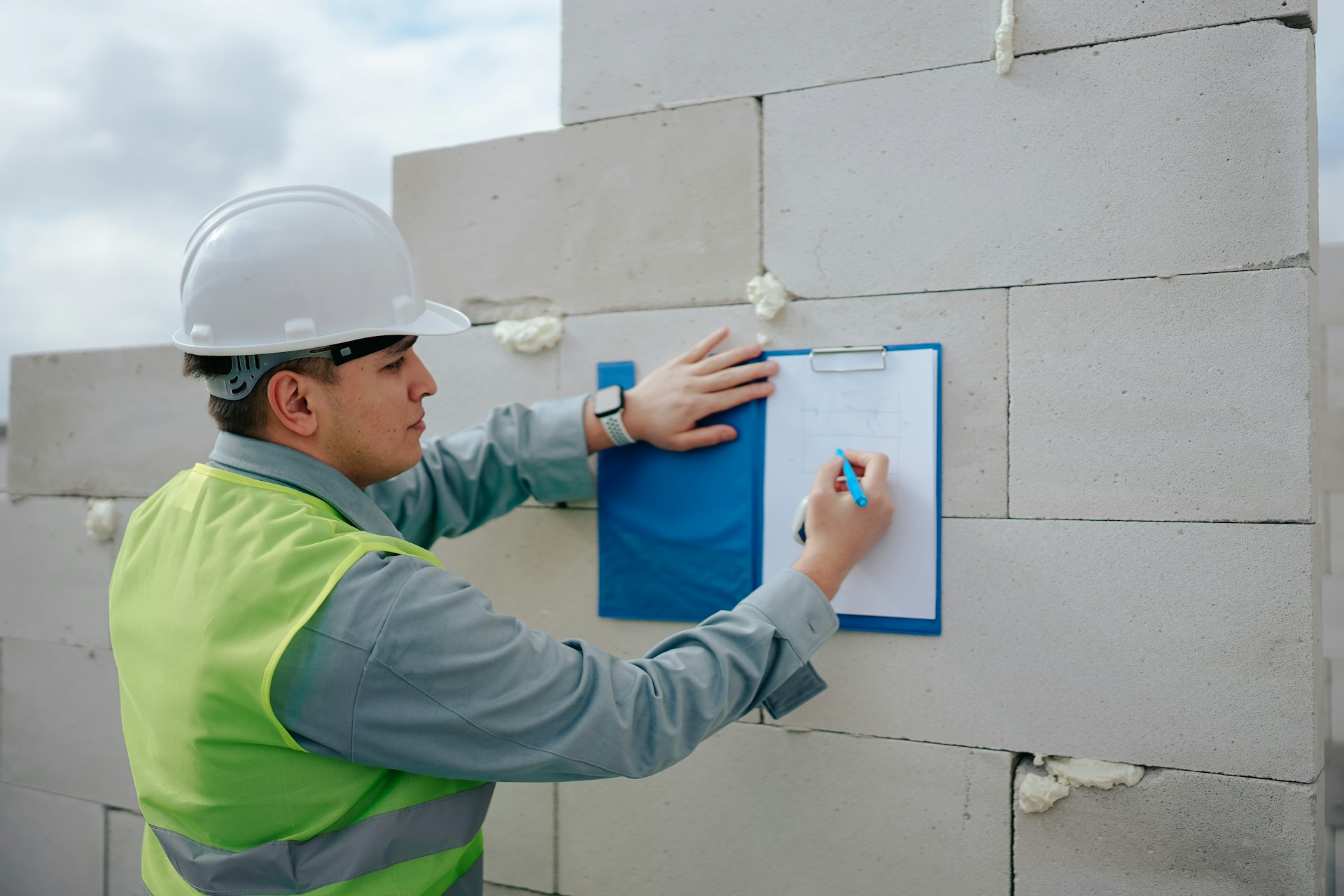
A typical inspection involves several steps. Inspectors conduct a thorough survey of the site, looking for visible signs of hazardous materials. They may use testing equipment to analyse samples for contaminants such as asbestos or lead. Once potential hazards are identified, inspectors provide detailed reports outlining the necessary actions to mitigate risks, such as safe removal procedures or additional protective measures.
Regular inspections are essential for maintaining overall construction safety and compliance with regulations. By ensuring that hazardous materials are managed properly, inspections help prevent accidents and health risks on site. They also contribute to ensuring that construction projects adhere to legal standards, reducing the potential for fines, lawsuits, and project delays. Ultimately, consistent inspections provide peace of mind for builders and workers by fostering a safe and compliant work environment.
Conclusion:
Managing hazardous materials in construction is a vital process that requires vigilance, education, and adherence to safety protocols. Understanding the common hazardous materials and their associated health risks is the first step towards ensuring a safe construction environment. Recognising visible signs of these materials can prevent unintentional exposure, protecting workers and the surrounding community.
Safety protocols and regulations provide a framework for safely handling hazardous materials. Proper training and certification equip workers with the knowledge they need to navigate these risks effectively. Inspections play a crucial role in this process by identifying hazards early and ensuring compliance with safety standards.
To ensure the safety and compliance of your construction projects, consider partnering with ABBC Building Inspectors. Our expert team specialises in construction inspection in Perth that manage hazardous materials effectively, providing you with the insights needed to maintain a safe and successful construction site. Contact us today to keep your projects on track and your workers protected.