
What Your Building Certificate Tells About Construction Quality
Buying a newly built home is exciting, but it also comes with its fair share of uncertainty. When the halls still smell like plaster and the paint’s barely dry, it’s normal to wonder if everything behind the walls is done right. You migh think that’s where your building inspection report comes into play. Unfortunately, It’s just paperwork, a signal to your local council that the building is finished.. It can’t shows you whether or not each part of your home was built to the right standards. Only if you engage a building inspector will an independent report tell you a whole lot about how well or how poorly the construction was done.
Most people don’t think much about what’s written in the BA7 report, but it really doesn’t give you a snapshot of the home’s overall quality. Understanding what’s in it can help you work out if problems might pop up later or if everything’s good to go. Especially in places like Perth, where standards are strict, making sense of the final state of construction gives you peace of mind before you settle in or finalise anything.
What Is A Building Inspection Report?
A building inspection report is a formal document that confirms whether the stages of your home’s construction meet the standards set out by building regulations. It’s something that gets issued when inspections happen during construction. If you’re building in Perth, this paperwork is linked with assessments done at key points like when the slab is down or the roof structure is up. Each stage is recommended to have defects rectified before builders move to the next.
This report isn’t there to make your life harder. It’s there to keep everything safe and sound, from structure to finish. Think of it like the green light that means you’re on track. Councils and private building surveyors use it to confirm the house is being built the right way. If something doesn’t meet regulations, it won’t get signed off, which gives you a chance to fix it early. That’s much easier than dealing with fix-ups once the house is fully built.
In simple terms, the report shows that your buildr is complying with Perth’s building codes. It covers things like whether the walls are braced properly, the plumbing lines are installed where they should be, or if the frame has been connected safely. Every tick on this document means something’s been checked and approved. It’s a step-by-step record showing how your home came together.
Key Elements That Speak For Construction Quality
When you look at a building inspection report, you’ll usually find it broken into key parts. Each part reflects a certain trade or structural element that was inspected. These bits might seem technical, but they’re worth knowing because they speak for how carefully your home was built.
Here are a few elements you’ll likely see mentioned, and what each one tells you:
– Structural Frame – This refers to the skeleton of the home. The report should confirm that everything is stable, properly fastened, and resistant to movement. If this part’s not ticked off, there could be problems with walls, ceilings or even doors not closing right later on.
– Plumbing Rough-In – Before pipes are boxed in or tiled over, an inspector checks the layout, drain connections and type of materials used. If it passes inspection, it tells you the builder didn’t cut corners with things that would be expensive to fix later.
– Electrical Setup – When this part is covered, the wiring, switchboards and safety controls have been double-checked against code. It gives you confidence that your appliances and lights are wired safely.
– Waterproofing Measures – Any wet areas like showers, laundries or balconies will have their membranes tested before tiles go in. If the report shows a pass here, you’re less likely to face leaks that sneak in and cause trouble behind the scenes.
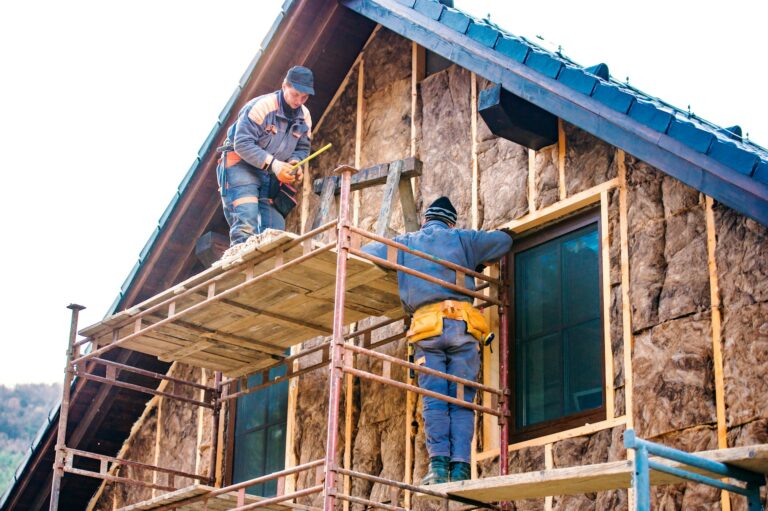
– Insulation Fitting – If noted in the report, this shows that the right level and placement of insulation was added before walls were sealed. A pass here helps with keeping your home comfortable without wasting energy.
Each of these report items is like a box in a checklist. If something’s missing or marked as needing work, it could point to delays or quality concerns. Reading over each part of the inspection summary lets you form a clearer picture of how careful the build process really was. For example, if an inspector flags an issue with how the frame has been anchored to the slab, that’s a bigger deal than it sounds. It could impact stability over time.
This kind of information should be clear on your report if your inspections were done properly. If something is marked as not approved or requires follow-up, it’s a good idea to chat with your builder or an independent inspector to get more details and understand what needs to happen next.
Common Issues Found in Building Inspection Reports
Not every inspection report is spotless. A few marks or flagged items are actually quite common, especially during construction when things are still getting pieced together. But that doesn’t mean they should be overlooked. These flags can give you a heads-up about things that might go wrong if not sorted out right away.
Here are a few issues regularly picked up during under construction inspections in Perth:
– Incomplete framing or missing tie-down connections
– Plumbing points not aligned or incorrectly capped off
– Electrical cabling installed too close to water outlets
– Poor waterproofing around bath edges and shower bases
– Insulation not fitted snugly or left in plastic wrap where it can’t breathe
Each of these problems can affect a different part of the house’s function or lifespan. For example, if the waterproofing in the bathroom isn’t bonded well, you might not see it at first, but mould or leaks could show up six months after you move in. In some cases, issues like wrongly installed insulation can also affect your energy use or indoor comfort.
When these problems are listed on an inspection report, don’t panic. It doesn’t necessarily mean the entire build is poor. It does mean that something needs to be corrected before work continues. Builders can address it quickly, and the property can be re-inspected to make sure it’s been fixed properly. It’s better to catch these things while the house is still in construction and all parts are still visible and accessible.
Why Experience Matters With Building Inspectors
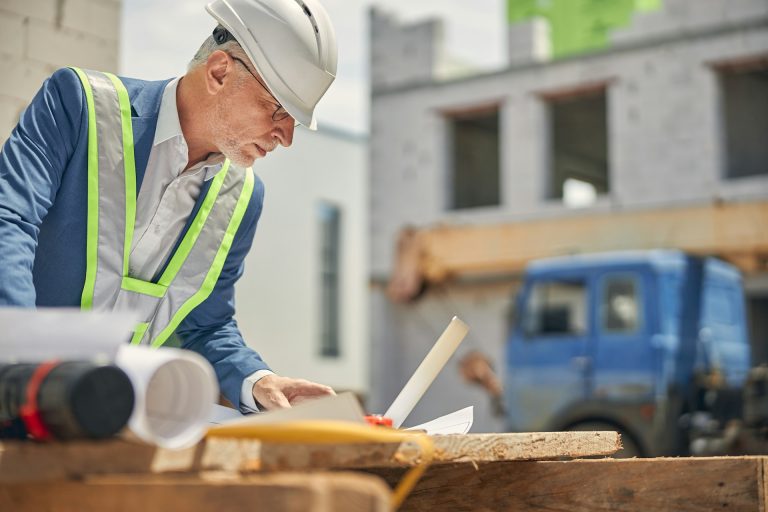
Having a professional inspector involved makes a big difference when it comes to spotting these issues. These aren’t just people with a clipboard following a checklist. Good inspectors know what problems builders often miss and at what stage certain things are more likely to go wrong. They’ve seen how fast corner-cutting on site can lead to long-term headaches later.
You might think about doing a walk-through on your own or with your builder, but that won’t give you the same outcome. Builders know their trade, yes. But they’re focused on getting work done and often don’t pick up their own small missteps. Inspectors provide an independent set of eyes. They assess the build purely based on compliance, performance and safety, not project timelines.
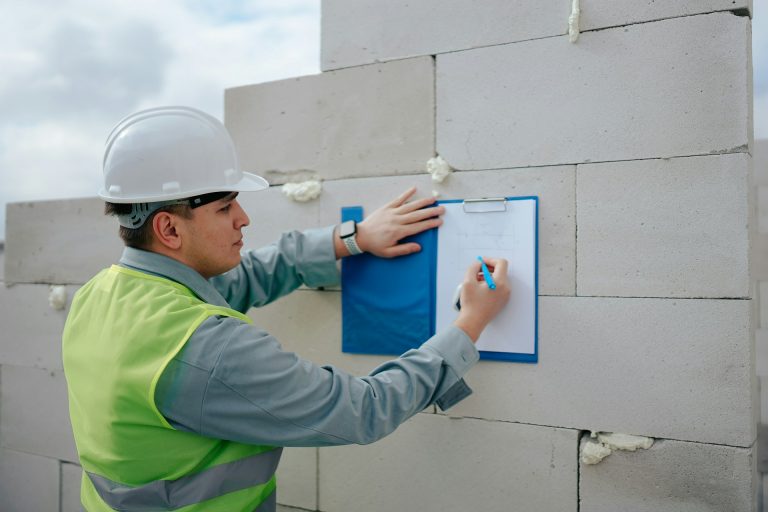
What a professional inspector brings to the table is consistent documentation. They don’t just check one thing and move on. They provide written feedback, annotated photos and rechecks if something needs to be redone. Their ability to notice something like a loose tie-down bracket or an unsealed pipe sleeve might seem like small stuff, but these things build up over time and affect your home’s structure.
They also know how Perth’s building standards change and can spot when something on site doesn’t match with current requirements. You’re not just paying for a report. You’re getting knowledge and support from someone who has inspected homes across different stages and knows what gets missed.
Using Your Report To Move Forward Confidently
By the time your final inspection report is issued and attended to, you should be confident that everything’s been built to a good standard. But if there were earlier inspection reports in the process like pre-lining or roof structure checks, take time to review those too. You might find small comments or recommendations that slipped past at the time but make more sense now with your build nearly complete.
Look for continuity in the reports. If something was flagged and marked to be fixed, has it been cleared in the next stage? If not, you might be moving ahead on a build with unresolved issues. Keeping a folder of every inspection note helps avoid this. Don’t just skim the final document. Go back through the critical stage reports and cross-check outcomes.
If something doesn’t look right or you’re unsure what a certain note means, ask for clarification. You have every right to understand what’s behind your walls before paint and fit-outs cover it up. Even well-built homes can have a few hiccups, but they shouldn’t be ignored or brushed over.
A strong paper trail also works in your favour down the line. If there are ever resale questions, insurance issues or disputes with suppliers, being able to show that your home was thoroughly recorded and signed off at each stage matters. It shows clear planning on your part and gives a solid record of your home’s quality. Reviewing your inspection report is a practical way to feel confident that your new Perth home is set up to last.
Choosing the right inspector plays a big role in understanding your building inspection report in Perth. With ABBC Building Inspectors on your side, you’re assured of thorough and reliable under-construction inspections. This approach helps protect your investment and ensures your new home is built to the standard you expect from the ground up.