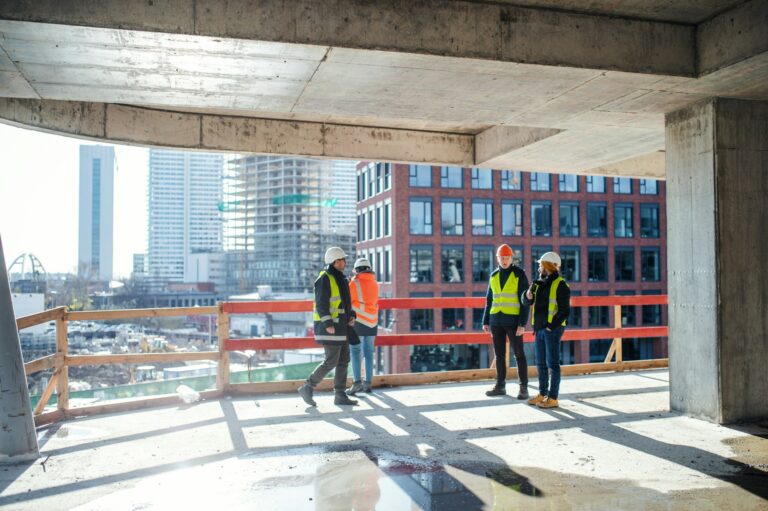

Building Defect Inspection in Perth for Autumn Developments
Autumn in Perth is not just a turning point for the weather. It is also the time when construction projects begin revealing how well they handled the buildup from summer. Colder mornings and the first signs of moisture pick up speed through April, pressing on finishes, fittings, and structure. From slabs to seals, the early weeks of autumn can indicate where things might head off track if left unchecked.
We often find that a building inspection in Perth around this time helps identify what is working and what is not. With changing weather pressing on materials, it becomes easier to spot flaws that might have stayed hidden in the dry. It gives builders a chance to tackle issues now, not once they have grown into costlier setbacks down the line.
Why Autumn Can Reveal New Defects
Temperature swings and early damp days start doing their own kind of inspection, whether or not one has been planned. We have seen sealants shrink or lift when cool air hits them too soon, and that creates movement at joins between windows, balconies, and frames. These small signs matter. They do not always cause trouble right away, but they often signal where failure is coming next.
Weather in Perth changes quickly once autumn gets going. Light overnight rains start seeping into low spots while bare ground begins to hold moisture. That softening can shift slabs, push water toward drainage areas, or make hidden leaks show up.
We have walked sites where nothing looked wrong a month ago, then watched once-stable items pull or bow. It does not take much. Just the right mix of unsettled weather and unfinished work can start to show where waterproofing missed a step or drainage was not fully tested. This season works against the things that were not done properly the first time.
Key Focus Areas for Under-Construction Inspections
Some problem areas show up more clearly in autumn’s early phases. We always look at these areas carefully, especially if the build is still running and has not hit final handover yet.
- Slab movement or hairline cracks in poured areas, especially close to load points
- Balcony and wet area waterproofing cutouts where early moisture might seep through
- External drainage near footpaths, retaining walls, or shared driveways that have not seen much rain yet
- Window seals, doorframes, and flashing overhangs that could shrink or slip under cooler air
The pressure to finish work often ramps up in April. That final stretch can mean shortcuts, or worse, small jobs skipped because no one had time. We pay attention to those partially finished items, places too easy to overlook when rushing to meet deadlines.
Common Faults Found on Perth Build Sites in Late April
By late April, we have usually seen a clear pattern take shape. Timber frames may swell slightly if their seals were not dry before the first cool night. That is often enough to nudge doors out of square or cause new joins to bind. We have seen this play out across multiple apartment builds near the coast and even in the outer suburbs.
Drainage is another frequent issue. It is not always blocked pipes either. Sometimes we find pooling linked to bad site grading or too much soil fall toward building edges. These are the small things that slip through during drier months but stand out as water starts moving.
Depending on the location, each build picks up its own set of quirks:
- Coastal builds face early salt spray and wind gusts that loosen lightweight fixings
- High-rises close to rail lines feel movement more sharply, showing stress on long joins
- Suburban sites near clay-rich ground tend to shift more as soil takes on water
We also find that late-stage scaffold removal during wet weeks brings challenges. Rework becomes harder when decks are packed away or temporary stairs disappear before final checks.
The Role of Timely Reporting in Avoiding Bigger Costs
Finding a fault is one thing, but logging it while there is still time to fix it is where we make the difference. Reporting needs to happen while trades are still on site, resources can shift, and the paint is not dry yet.
When we catch a problem early, it opens the door to meaningful rework. That means not just patching, but getting back the subcontractors who first handled the job. It removes layers of confusion that show up once everyone has moved on and paperwork is the only reference left.
We have watched small gaps in timing turn into major delays:
- Delays on final fit-offs tied to missing drainage reports
- Fire doors failing close because they were installed slightly out of alignment
- Settlement pushed back as councils or strata bodies wait on clearance paperwork
All these are avoidable if the right faults are captured early enough with the correct detail, and not last minute when scheduling recovery is harder.
Perth’s Autumn Weather and Its Impact on Build Quality
Late April into May is a tricky window on Perth worksites. Rain increases just enough to challenge builds that have coasted through summer. The cooler air slows drying of paint, adhesives, and sealants, which means anything done too late in the day could set poorly or not bond the way it should.
Surface finishes take a hit during this period. Coatings might run or bubble if applied too close to dark. Sealants left overnight without curing may show gaps the next morning. We have had to mark whole sections for redo purely based on weather exposure that did not affect the same work back in March.
Some suburbs are more prone to problems, especially areas with heavy clay content or poor runoff systems. These can lead to edge damage, cracking, or slow leaks that were not there three weeks ago. We inspect Perth sites with those conditions in mind, knowing variation across areas is real and often ignored by supervisors during builds.
Staying Ahead Before Winter Settles In
This part of autumn is our best chance to stay in front of weather-driven change. Once May starts to feel more like winter, access becomes harder, rework gets delayed, and surface damage cannot dry out fast enough to fix overnight.
When we inspect now, we are not just chasing the to-do list. We are helping everyone on site avoid the cost and stress of going backwards. That kind of time-saving is hard to come by later.
A solid inspection in late April or early May lets project leads step back and see where the structure sits before final handover. It also adds confidence to stakeholders who need documented proof of site condition and work quality. We have seen enough of Perth builds to know that a second look now is worth more than a rushed fix a month from now.
At ABBC Building Inspectors, we understand how unpredictable Perth’s construction conditions can become once autumn arrives. Whether you are concerned about framing movement or drainage issues that went unnoticed during summer, this season often reveals problems that could impact your project’s timeline. Now is a great time to book a thorough building defect inspection in Perth before the rain slows things down. We are here to help identify any potential risks early, so get in touch to discuss booking your inspection.