
Pre-Purchase Building Inspection in Perth for Autumn Settlements
Around April in Perth, we usually see an uptick in property sales. With cooler mornings and moisture slowly returning to the ground, buildings start reacting to changes that aren’t always obvious upfront. The shift in weather can expose issues that stay hidden during the dry, warm summer months.
If a building hasn’t been inspected in a while, autumn can be a revealing time. That’s why a pre-purchase building inspection in Perth makes sense before locking anything in. This simple step helps buyers spot potential issues early and avoid post-settlement surprises. Whether it’s a newly finished development or an older structure with a long list of past owners, checking things over well before handover makes the next few months more manageable.
Why Autumn Sales Make Timing Tricky
Autumn brings changes that can stress parts of a building, especially after the dry heat of summer. Temperature dips and unpredictable rainfall affect how materials behave, especially concrete, cladding, and timber. Movement in the soil can cause small shifts, and buildings without proper drainage often start to show wear.
Summer heat dries out the ground, sometimes hiding foundation movement or cracks that appear only when moisture returns. We often see signs like:
- Hairline cracks widening after light rain
- Wall joins showing gaps or uneven lines
- External materials starting to swell or soften
These aren’t always major faults, but they can signal something more if left unchecked, costing more in maintenance in the medium term. An inspection at the height of summer might not pick these points up, which is why autumn inspections are valuable when a property is being settled in April or May, even June. It’s a good window when you’re more likely to see how the building really responds to seasonal change.
What Inspectors Check Before You Buy
Our inspections cover the whole structure, but there are some items we pay closer attention to once summer ends. During autumn, we look out for signs that weather extremes and wear have left parts of the building exposed or weakened in some way.
1. Roofs and gutters – We check for cracked tiles, blocked valleys, rusting components, and sagging in metal or tiled roofs. Clogged gutters can backflow during rains, and damaged downpipes often go unnoticed until water pools.
2. Slabs and paving – Surface cracks may spread if ground movement pressures the slab from underneath. Autumn is when these become more noticeable on the edges or at joins.
3. Walls and ceilings – Internal areas can show signs of water entry or stress fractures missed during drier periods.
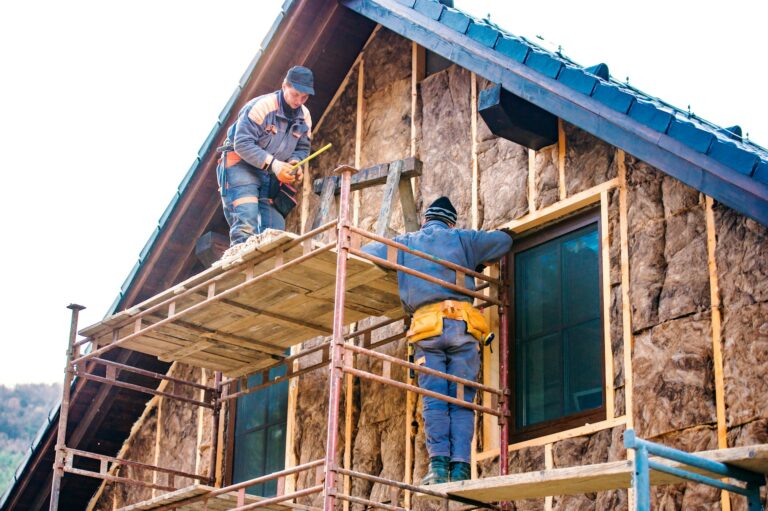
4. Insulation gaps – As temperatures drop slightly, uneven temperatures inside may point to insulation faults or ventilation problems.
Rising damp, air leaks, or slight movement in external cladding are more common during a Perth autumn than you might expect. Finding them before settlement is cleaner and easier than chasing them up later.
Construction Disruption and Existing Property Condition
Being close to new builds or road work can put added pressure on your future property. Sites with heavy machinery nearby can experience vibration, dust loads, or shifting ground. This is a concern, especially if surrounding work starts before or during your settlement window.
Early inspections can help draw the line between existing wear and damage caused by nearby activity. By getting a record before settlement, you create a stronger base for any future claims or maintenance plans. For example:
- Surface cracks near shared boundaries can be flagged as pre-existing
- Fence lean or wall cracking might relate to external load pressure
- Suspect roof movement can be photographed before site work starts next door
We always recommend keeping a clear timeline of condition before work ramps up around a property. It brings clarity later and can help avoid disagreements down the track.
Local Property Types and Soil Movement in Perth
Autumn inspections across Perth often show how different construction types react to wetter conditions. Many homes and units in the suburbs are built on slab foundations, which shift when the reactive clay soils begin absorbing moisture again. The movement can be gentle or more obvious, depending on how long the site stayed dry.
Homes with brick veneer or double-brick construction often reveal internal cracking near window frames or cornices. Timber-framed builds might show creaking or warped skirting once humidity lifts. Rooflines or downpipes can shift slightly if brackets or fasteners loosen after summer heat stretch.
Knowing how the soil behaves where you’re buying can help make sense of what you’re seeing. For example:
- Eastern suburbs tend to have more reactive clay and need extra slab monitoring
- Coastal builds experience different temperature swings, often showing early salt corrosion due to condensation
- Older homes in established suburbs might not have modern drainage, making autumn the season where blockages show themselves
Spotting these patterns helps make better long-term decisions before you settle.
Getting Ahead of Council and Insurance Requirements
Documentation can make life easier when you’re dealing with approvals, rebates, or insurance checks. Local councils often ask for evidence when properties are near development zones or flood-prone areas. Having a thorough inspection helps speed things up.
Insurers can use detailed condition reports to verify any damage claims, especially when weather is involved. Autumn tends to bring wind bursts and sudden downpours, which is when most water damage shows up. Having a record of the building’s condition from April or earlier gives you peace of mind.
- Reports can be kept as part of your records for future reference
- Notes on existing wear can help rule out blame when things change after settlement
- Photos and written data support your claims with clear visuals
It’s far simpler to set expectations when both condition and timing are recorded from the start.
Start Autumn Settlements With Confidence
Settling on a new or older property in April takes more than just paperwork. With the change in season, Perth buildings often behave differently. Whether it’s the slab that shifts back into place after drying out, or a roof with rust showing up in the gutter corners, these signs are easy to miss without a proper inspection.
At ABBC Building Inspectors, our pre-purchase building inspections in Perth are completed by registered builder inspectors, as detailed on our under-construction inspection page. We check structural, water, and movement-related issues at every visit and issue a full report ahead of property handover.
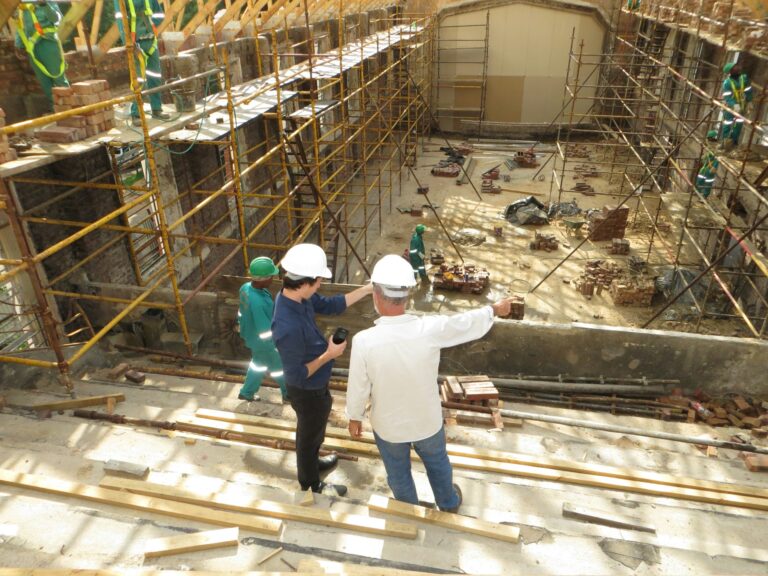
Planning to settle on a Perth property this season, whether it’s newly built or still under construction, means understanding its current condition is required. We carefully assess what shifting soil and seasonal wear can reveal before contracts are finalised, and a thorough check during cooler weather often uncovers cracks, leaks, or gaps missed in summer.
Learn more about how we approach an early-stage inspection with a comprehensive pre-purchase building inspection in Perth. Ready to start the process? Contact ABBC Building Inspectors today.