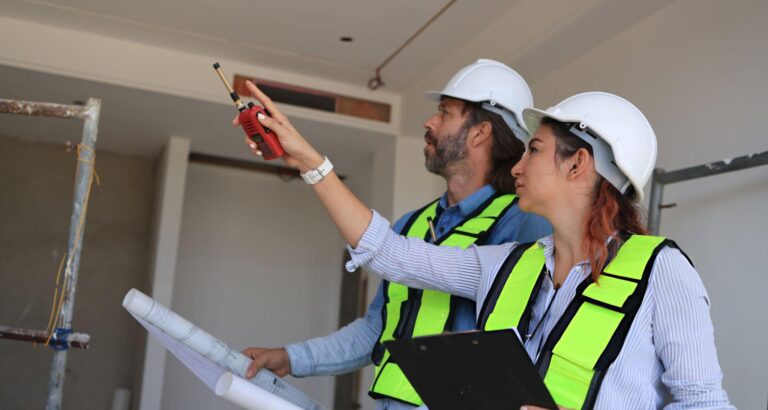

Why a Defect Inspector Is Important for New Perth Homes
Building a new home should feel exciting, but it’s easy for that excitement to turn into stress when construction doesn’t go as planned. Mistakes made early in the build can be hard to see, and they often become bigger problems later. That’s where having a defect inspector during construction makes a big difference.
Our job is to pick up on what others might miss, especially at key stages when parts of the build are still open and fixable. In Perth, construction is affected by more than just materials and workers. The heat, sandy soil, and weather shifts can put extra strain on a structure before anyone even moves in. When you mix that with tight deadlines and busy building sites, things can start slipping through the cracks that shouldn’t. These underlying factors can quietly lead to problems if not closely checked.
Early Problems That Often Go Unseen
Small building errors that aren’t fixed in time tend to grow into major repairs. These aren’t dramatic failures, they’re small details overlooked until it’s too late to deal with them easily.
- Framing not quite square, causing gaps that affect doors and windows
- Poor joins in timber or steel that shift later when the building settles
- Sealants missed in wet areas, which let moisture in behind tiles or under cladding
We often see these issues in the early stages of construction when walls are still open. A defect inspector checks then and there, so things can be sorted before they get hidden behind plaster or paint. If left alone, these problems weaken the home and can cost more to fix once the house is finished. It’s a lot less stressful to fix framing or reseal a bathroom before everything is locked away, turning a potential headache into a quick fix.
Perth’s Building Climate and Why Timing Matters
Perth hits some of its hottest days around February, just before the seasons start to shift. That’s when the harsh sun and long daylight hours start to show how strong or weak different building parts really are.
- Materials like roofing, cladding, and sealers expand and contract more than usual under long heat
- External walls exposed to strong sunlight dry out too fast or crack if not treated properly
- Sand-based soil can shift under footings after summer, especially when rains return in autumn
These conditions speed up wear and create stress that may not be obvious right away. That’s why good timing matters. A defect inspector knows when to go in, often before plastering and before full handover. Checking during the build gives us a clear view of where things might start failing if left unchecked. By understanding Perth’s climate, inspectors can tailor their approach, choosing the right moment to spot any weather-driven changes and effects that might cause problems later.
Special attention to these timing factors can stop small heat-related cracks or soil shifts from growing into bigger structural issues. A home built in the heat of a Perth summer needs a sharp eye to watch for changes that would be missed if checking only after the build is finished.
The Value of a Fresh Set of Eyes
Builders and trades are usually focused on getting to the next milestone. That’s their job. But being close to the process day after day means it’s easy to skip small checks or assume something was done right.
We come in with a different focus. As defect inspectors, we look at each part with fresh eyes, not caught up in site timelines or work routines. We don’t assume anything has been ticked off unless we see it ourselves. That way, we can pick up on what’s missing, misaligned, or incomplete before it disappears behind walls or under tiling.
This helps builders too. Fixing things early prevents harder work later and avoids disputes at final walkthroughs. A second set of eyes reduces back and forth down the track. Having someone new to the job helps catch subtle differences that might be missed by someone used to looking at the same project every day. This backup gives owners and builders more confidence and allows trades to focus on quality knowing someone will still check each part.
A second perspective can even spot improvements, stopping little defects from turning into bigger ones as the house settles. Instead of trusting things are “good enough,” we double-check every detail.
Staying Ahead of Handover Stress
When a build gets close to handover, site teams often rush to meet deadlines. Paint goes on, floors get laid, and the final details start coming together fast. It’s during this stage that a lot of worry can build up, especially if buyers do their inspection and find half-done or missing work.
Instead of waiting for final walkthroughs to reveal those hiccups, we check-in earlier. Catching issues even one or two weeks ahead makes a big difference in how smooth that last stage goes.
- No last-minute surprises hidden behind furnishings or finishes
- Time to fix problems before keys change hands
- Fewer pushes on schedule or last-second delays
It’s faster, it’s less tense, and it keeps trust between everyone involved. A defect inspector brings forward the points that matter while there’s still room to act on them. This smoother handover means buyers get what they paid for, and builders can feel confident that there are fewer open items to address at the last moment.
It can be the difference between a handover meeting where everyone’s happy and one with complaints and delays. Just knowing the inspector was on site gives owners peace of mind.
Stronger Builds, Less Regret
No one wants to move into a place that starts showing problems within the first few months. Knowing quality checks were done during each step helps the build stay solid from wall frame to final padlock.
- Mistakes are fixed while access is easy and open
- Builders can focus on finishing rather than backtracking
- Owners feel more confident knowing inspections happened during, not just after
When everything is lined up early, things fall into place better by the end. It’s normal for small defects to happen on any site. The difference comes from how and when they’re caught. With prior inspections, all parties have a record and understanding of what was checked, which helps prevent future disagreements or uncertainties.
We find that early involvement leads to stronger builds with fewer unwanted surprises. Whether it’s one missed step or a group of things that build up over time, spotting them before handover is the easiest way to avoid regret. A defect inspector simply gives new homeowners more peace of mind before they walk through their front door for the first time.
ABBC Building Inspectors completes every under construction inspection in Perth with a registered builder inspector, as outlined in our service page, providing a thorough review at each key build milestone. Early inspections catch what site crews and rushed schedules might otherwise let slide.
Building in Perth brings plenty of decisions, and having a trusted defect inspector on site during construction can make all the difference. Between framing and finishes, construction quality can easily slip through the cracks. At ABBC Building Inspectors, we help identify issues early so you can avoid costly surprises and enjoy peace of mind at handover. Contact us today to arrange your pre-handover inspection.