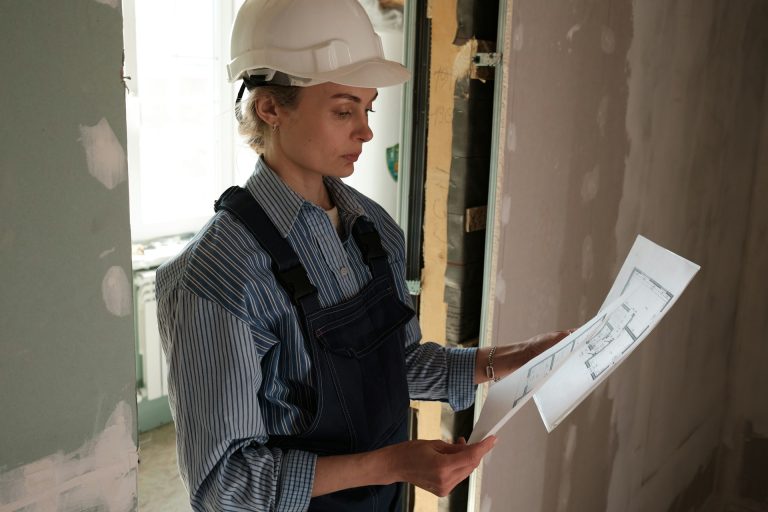

Construction Defect Inspection in Perth After Hot Weather
A good construction defect inspection in Perth starts by looking at what summer left behind. Long heat spells help builders push through timelines, but they can also hide new problems in the structure that won’t show until things start cooling. Perth’s hot weather can cause faster curing, quick shifts in materials or subtle warping that doesn’t become obvious until mid-March or even April. That’s when a change in season slows everything down enough to start showing what didn’t hold up.
As we move out of summer and into softer autumn light, buildings begin to tell you what’s not quite right. Some flaws only show when the heat fades and surfaces relax. There’s a short window where we can still catch small problems before they’re sealed inside finished walls or floors.
Late Summer Building Conditions That Create Risks
The last stretch of summer in Perth can cause materials and finishes to behave differently than expected. Builders often work to meet deadlines before the weather turns, which means some steps are rushed or overlooked when conditions are far from ideal.
- Summer heat can dry concrete, render or adhesives too quickly, which might cause areas of early cracking or poor bonding
- Timber exposed to high temperatures can twist or swell before it’s locked into place under floors or frames
- Sealants and adhesives applied in the heat may look solid on the surface but lack full strength underneath
These kinds of hidden risks aren’t about poor workmanship, they often come down to how unlikely conditions affect the way materials settle. And if no one checks during this critical stage, problems will only show months later after they’re harder to fix.
What Defects Often Go Unnoticed Until the Weather Cools
Changes in structure from heat can sit quietly for weeks. Then autumn rolls in, temperatures soften, and the real shape of things settles into place. Dry summer air might have held everything tight, but a little moisture or cooling temperatures can shift things just enough to show what’s out of line.
- Warping or movement hidden in summer can cause joints or panels to misalign by the time finishing starts
- Heat expansion might mask small gaps that later open up in window frames, cabinet joins or ceiling lines
- Flooring that feels firm during summer might soften or shift when materials begin to change shape in early autumn
By March, the conditions make it easier to spot these slow-developing issues. You can walk through and feel where a floor sags or see the way light catches a wall that’s no longer flat. These aren’t always obvious flaws, but they are early signs that something wasn’t installed or prepared the way it should’ve been.
Why Mid-March Is an Ideal Time to Inspect Ongoing Builds
Right in the middle of March, Perth starts to ease out of summer. Days are still warm, but the extreme heat usually steps back just enough to let materials relax. That makes it a good time to revisit parts of an ongoing project to see how they’ve settled.
- The movement that happens after a long stretch of heat starts to show around this time
- With the pressure to reach closing stages, small details might get covered before anyone checks them
- Cooler conditions give a better read on how everything fits together before internal finishes go in
These checks don’t slow the build down. They help prevent having to undo work later. By adding a checkpoint before the structure gets sealed, there’s still room to make simple repairs to framing, add bracing, fix seals or correct joins.
How Independent Inspectors Flag Issues Others Miss
When you’re in the day-to-day of a construction job, it’s easy to pass over what’s working and keep moving. That’s why having another set of eyes, someone not juggling build deadlines, is useful. We step in between the big steps and spend more time on the in-betweens.
- We look at parts of the structure that won’t be visible later, like the base of door frames or the angle of joined panels
- We listen for soft timber-flooring spots or check for subtle shifts in cladding that are early signs of larger alignment problems
- Because we aren’t rushing to finish, we focus on early patterns that can flag bigger issues building underneath
- And because we see so many houses, our experience tells us where others have taken short-cuts before.
An extra look during this late summer window helps set the rest of the project up on solid ground. There’s still space to address those signs of heat-stress before future trades close them in with flooring, insulation or paint.
A Solid Base Before You Close the Walls
Once that first layer of internal finishes goes on, it gets much harder to access the bones of a building. That’s why we prefer taking a close look right after the toughest heat, just before autumn adds too much moisture into the mix. It puts that review at just the right moment when everything has had time to show its true shape.
- Finding small faults now, like warped studs, loose joins or gaps in bearers to stumps, means you can fix them cleanly without extra steps
- Late summer inspections help catch temperature-based issues before they spread or become load problems during wet months
- It keeps trades focused on a clean build ahead, instead of setbacks later in the schedule
Construction always moves in phases, but it’s the points in between that tell the full story. Paying attention right after a long summer stretch is like giving the structure space to speak before it gets covered. If something’s going to shift or settle oddly, this is the time we’re most likely to see it, when thermal expansion is at its worst..
Big problems rarely show up loud and clear. They often begin with small changes in texture, shape or fit, the kind you won’t notice until someone takes a closer look. Summer hides a lot, but early autumn reveals even more. This brief moment after the heat and before the rains makes a big difference when you’re aiming to build long-term. And that’s why we look when we do.
ABBC Building Inspectors provides defect and stage inspections for new builds in Perth, always carried out by a registered builder inspector for detailed review at critical phases as highlighted on our under construction inspections service page. This helps owners and builders address early signs of damage or missed work before they’re sealed up for good.
As summer fades and structural elements begin to settle, this is the right time to take a closer look at what might be hiding beneath the surface of an unfinished build. We know how Perth’s heat can affect materials in ways that don’t show up until the seasons shift. With careful timing, a thorough construction defect inspection in Perth helps us catch problems before they’re sealed in. At ABBC Building Inspectors, we take that extra step early so you’re not chasing repairs later. Now’s the time to contact us if your project’s at that make-or-break stage.