
Building Defects Report in Perth During the End of Summer Builds
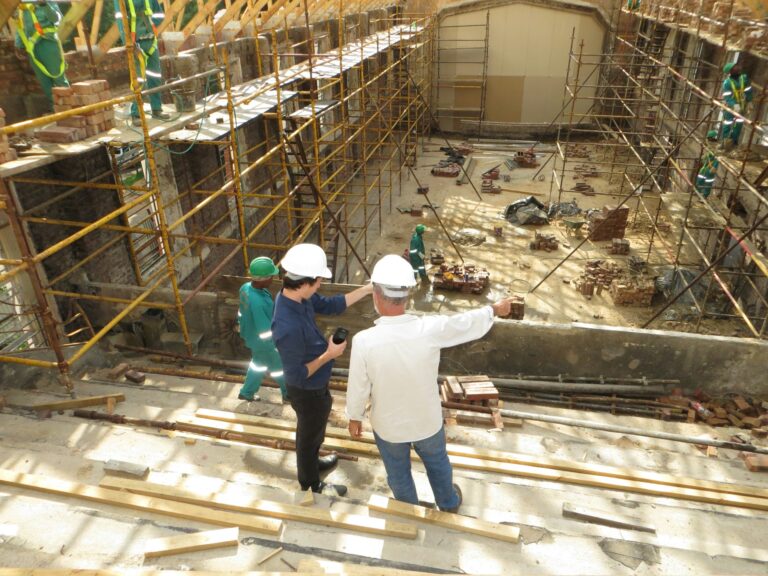
Late summer is a unique time for construction in Perth. The weather may feel like it’s easing off, but the heat has already done its work on building sites. March is still hot enough to stress materials, especially if they’ve been sitting under the sun for months. That makes this stage of an under-construction build one of the most important for checking work that’s already been done. A building defects report in Perth during this transitional phase helps check whether structures are still holding their shape and whether the workmanship has stood up to the tests of heat and time.
We know how local weather plays into how buildings behave. Prolonged heat can change how materials settle, how sealants cure, and how frames hold their angles. Once interior finishes start going in, it becomes a lot harder to spot those shifts. That’s why we focus heavily on this time of year when site conditions are still exposed and defects are easier to reach.
Common Defects Seen in Late Summer Builds
By the end of summer, we often find that trades have been working fast to stay on schedule. Tight deadlines and warm conditions can lead to materials being installed before they’re ready. Some components, like timber, piping or electrical insulation, might look fine but carry heat damage that only shows up down the line.
Here’s what we usually find during inspections at this stage:
- Untreated timber warping from direct exposure
- Corners pulling apart where materials expanded too quickly
- Hairline cracks forming in plaster or render as the shell settles
- Poor bonding where sealants dried too fast in the heat
Many of these issues are overlooked during the build because they’re subtle. They might not cause a problem yet, but once weather patterns change or interiors are closed, the effects can grow fast. These are the kinds of problems that show up months down the track, sometimes only after handover.
Why Timing Matters for Defect Detection
This point in the build is when inspection timing makes a real difference. Once ceilings and walls go in, small issues get tucked out of sight. Missed defects quietly sit behind tiles or flooring until they’re serious enough to surface. That’s why catching things mid-build can make a big difference.
In March, Perth is shifting from dry to cooler weather. That transition matters. We’re able to see how materials handled the heat while working with still-dry site conditions. Trying to carry out this kind of check in a month or two would mean working around damp ground or hidden surfaces.
By checking in real time:
- We avoid guessing what’s behind a wall later
- We give builders a better shot at easy repairs
- We help reduce the need for more invasive work further down
Addressing small defects now means quicker fixes that don’t slow down the rest of the schedule.
What a Report Actually Looks Like at This Stage
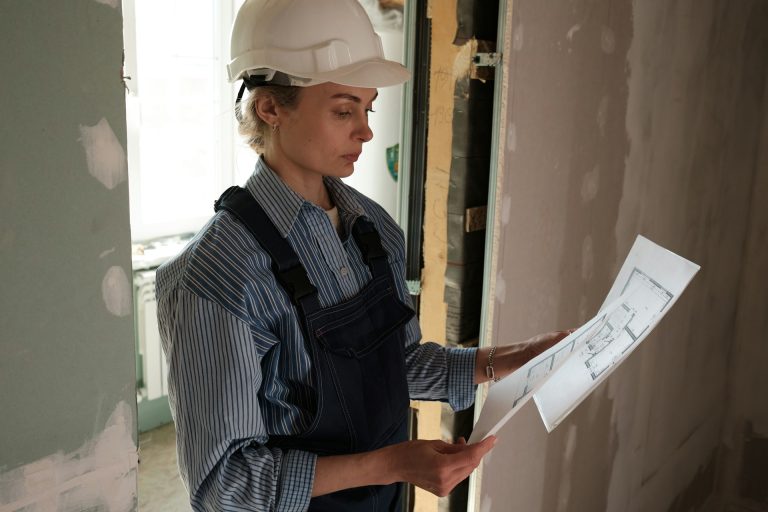
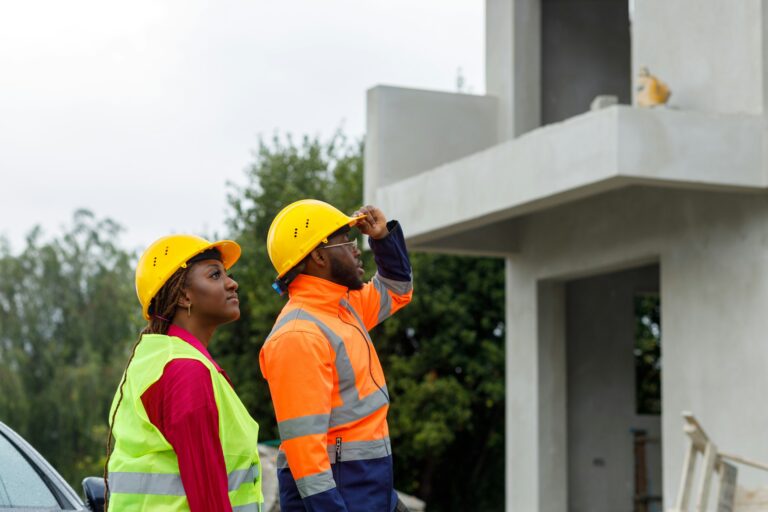
At this point in construction, a defects report helps keep the build moving in the right direction. It’s a practical tool, not just a checklist. We’re not only scanning for cracks or gaps, we’re looking for patterns and things that indicate an issue may be forming beneath the surface.
We assess:
- Exposed framing to spot shifts or uneven settling
- External finishes to check for signs of surface cracking
- Sealants and joins to see how they’re holding under pressure
- Roof spaces to check airflow, insulation position, and structure
- Plumbing and cabling fixings before wall linings go up
Everything is mapped and flagged clearly. Each item includes a visual reference if needed and a basic recommendation on the next best step. That way, builders or owners know what’s low concern and what should be acted on now.
Reports at this stage help catch the issues that are easiest to fix while systems are still accessible.
The Impact of Missed Small Defects on the Final Build
When we miss these smaller errors early on, they don’t usually stay small. A joint that pulls away slightly today can allow water in when the rains come. Over time, even a minor defect can lead to bigger concerns like leaks, airflow gaps, or failed insulation.
This kind of damage often looks worse than it has to be. If a pipe has shifted before fit-off and isn’t lined up properly behind the wall, that crooked junction can stop something from sealing fully. A small crack between panels might seem harmless but allow enough moisture or condensation to create mould, especially over the colder months.
That is the value of timing. Early detection lets us avoid:
- Avoidable water damage or breakdowns after handover
- Wall or roof repairs caused by slow-moving wear
- Cases where rework becomes more expensive after furnishings are installed
Fixing these things now means better performance from materials and fewer complaints later.
What Perth Builds Need at the Close of Summer
Perth building projects run hard through summer. It’s a busy period with long workdays, and progress moves fast. But that constant forward motion can make it hard to stop and check what’s already done. That’s where problems start to settle in.
We’ve learned that March is the best time to put the brakes on just long enough to make sure everything’s holding up. The heat hasn’t quite left, so stretch and shrink movements are still visible. At the same time, conditions are dry enough for safe ongoing work. It’s a sweet spot for reviewing exposed areas before the colder, wetter cycle begins.
End-of-summer builds benefit from:
- A detailed status check before starting fitouts
- Confirmation that heat hasn’t compromised materials
- A chance to rerun light rectifications without setting the project back
Rushed builds can miss quiet warning signs. We help bring attention to the spots that matter most now.
Getting Ahead of Problems Before They Get Covered
We’ve seen plenty of builds where small faults got covered under layers of progress. That’s frustrating for owners and builders alike. A well-timed building defects report during this stage isn’t just about safety or liability. It gives the whole process better direction, makes communication easier, and helps everyone move forward with clearer eyes.
ABBC Building Inspectors completes under construction inspections in Perth, with registered builder inspectors reviewing key stages for defects, surface movement, or signs of heat impact as outlined on our service page. Our job is to provide practical, actionable reports while access is open and systems can be fixed quickly.
It’s much easier to fix an issue now while the frame is open than deal with a repair post-handover when walls need cutting and pipes are boxed in. Careful observation at the close of summer makes way for a smoother finish when the build wraps up. It’s a simple check, but one that carries real impact long after the keys are handed over.
At ABBC Building Inspectors, we understand how timing matters when wrapping up a summer build in Perth. A thorough inspection now can help prevent costly issues from being hidden once the interior works begin. For project managers who want every stage to stay on track, a detailed review of the work so far can make all the difference. See what a proper building defects report in Perth covers during the under-construction phase, then contact us to discuss your next steps.