Third-Party Verification in New Home Construction
Building a new home is exciting, but it also comes with a fair share of uncertainty. You can’t always see problems during construction, and not every issue is caught until it’s too late. That’s where third-party verification proves its worth. Getting someone outside the build team to check on things while the home’s still going up can help catch mistakes before they become expensive problems. It’s not about mistrusting the builder, it’s about getting peace of mind from someone whose job is to protect your best interests.
From crooked frames to skipped steps in waterproofing, small shortcuts can lead to big headaches down the track. A good third-party inspection isn’t there to nitpick. It’s there to make sure the job is done properly, to standard, and without nasty surprises buried behind walls or under tiles. So if you’re building or planning to build in Perth, understanding this step could be one of the best decisions you make.
The Importance Of Independent Building Inspections
When someone builds your home, they might be following plans and ticking boxes, but that doesn’t always mean everything’s up to scratch. That’s where an independent inspector comes in. They’re not connected to the builder, developer, or subcontractor. That independence of your inspector matters because it means they’re focused purely on the quality of the build and what’s best for you, not for the builder’s bottom line.
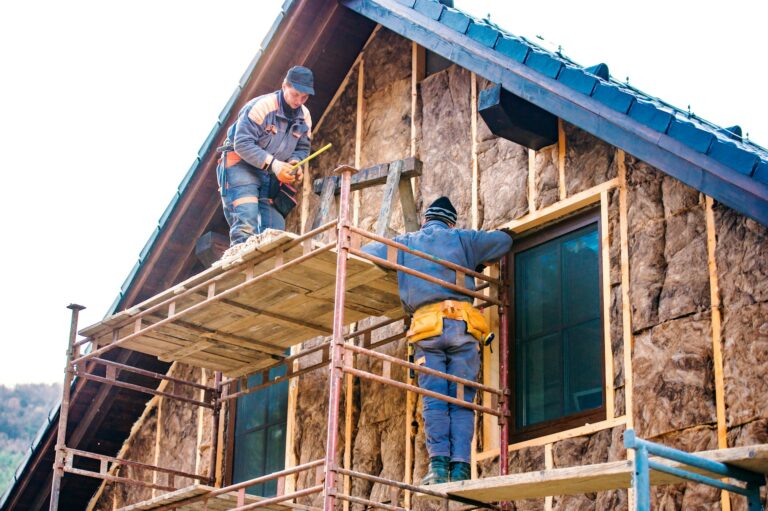
An unbiased inspection gives homeowners more than just a report. It gives them clarity, especially when they’re not sure what’s going on behind the scaffolding or in the walls. It’s useful at every stage of construction, not just at the end when the structural work is done. Problems missed early on tend to be harder and more expensive to fix later.
A third-party inspection can:
– Spot issues while they’re easy to fix, like missing insulation, wrongly installed roof plumbing, or misaligned walls
– Make sure builders follow the approved plans and specifications
– Keep your build in step with Australian Standards and local codes
– Help you make informed decisions if something does go wrong
One example we’ve seen was a homeowner whose ceiling sagged just months after moving in. A follow-up inspection revealed the wrong-sized timber had been used. If an independent inspector had checked this during framing, it would’ve been corrected straight away, saving time, money, and stress.
So, while it might seem like just another item on the to-do list, independent inspections are more like a safety net. They help homeowners in Perth feel confident that what’s being built will stand the test of time, from frame to curtains and blinds.
Key Areas Assessed During Third-Party Verification
A home build isn’t just bricks and nails. It’s a system of parts that all need to work together. Even one missed step can affect the structure, comfort, or safety of the whole house. Independent building inspections focus on areas that are hard to check once the job is finished. Some of the most important ones include:
1. Foundations: This is where it all starts. Inspectors check for cracks, proper depth of footings, and accurate location on the block, poor compaction. If a slab isn’t poured right or is allowed to settle unevenly, it could spell trouble for the entire structure
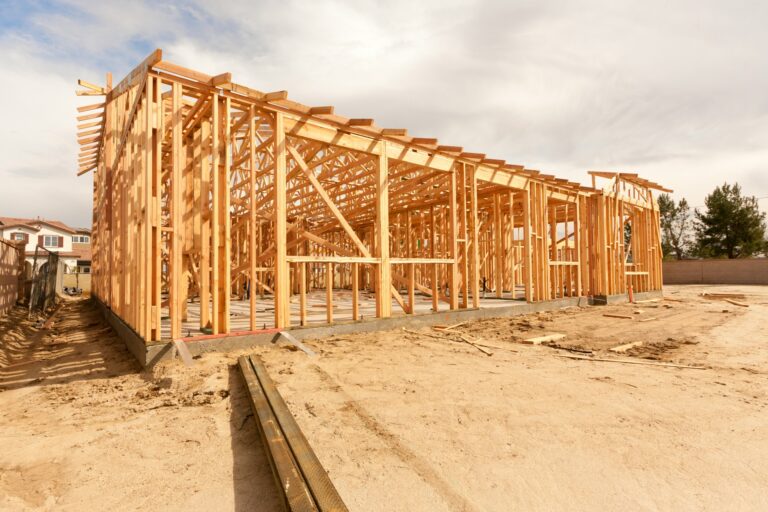
2. Framing and Structural Integrity: Walls out of square? Joists not properly secured? These are the types of things a trained eye can spot. They’ll also look at whether the structural elements match up with your approved plans
3. Roof Plumbing Layouts: Even if downpipes seem out of the way now, if they’re poorly installed or not connected properly, they can leak down the road. Inspectors look for things like loose fittings, improper sealing, sizing and spacing and alignment errors
4. Electrical Rough-Ins: Before the plaster goes up, the layout gets wired. That’s the time to check for correct and safe placements, correct cable routing, and whether everything’s done according to regulation, not when sockets start sparking
5. Moisture and Drainage: Perth homes are known for having issues if the drainage is wrong during early stages. Excess moisture trapped in the foundation during the build can come back months later in the form of mould or damage. Inspectors know where to look for signs before it’s a bigger problem
These checks aren’t guesswork. They’re step-by-step reviews done at critical points during the build. Skipping them means relying on assumptions, and assumptions don’t mix well with something as big as your future home.
The Process Of Third-Party Verification
So what happens when you bring a third-party inspector on board during a home build in Perth? It’s a straightforward process, and it usually starts with a conversation. The inspector will ask questions about the stage your build is at and what areas you’d like reviewed. From there, they might recommend a staged approach, where key parts of construction are checked at different milestones.
Typical stages might include pre-slab, frame, lock-up, and final handover. Once the timeline’s agreed on, the inspector books visits based on your builder’s schedule. No need to panic if things shift a bit. It’s common for dates to move, and inspectors adjust as needed. The point is to check things before they’re covered up or sealed.
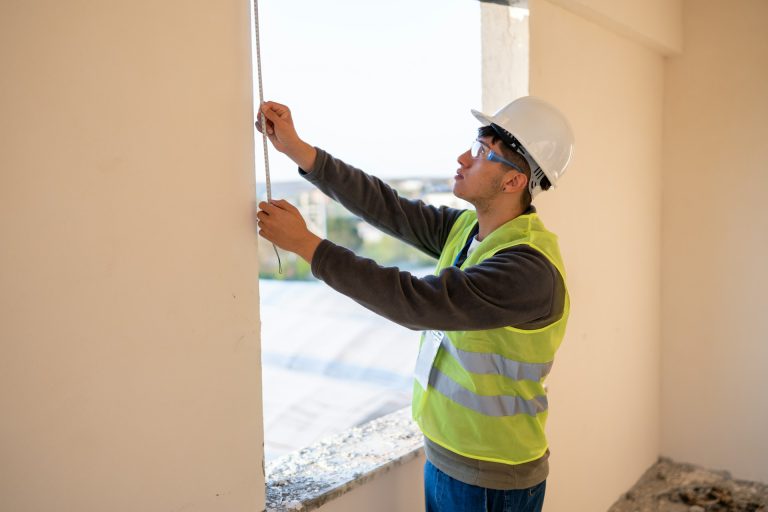
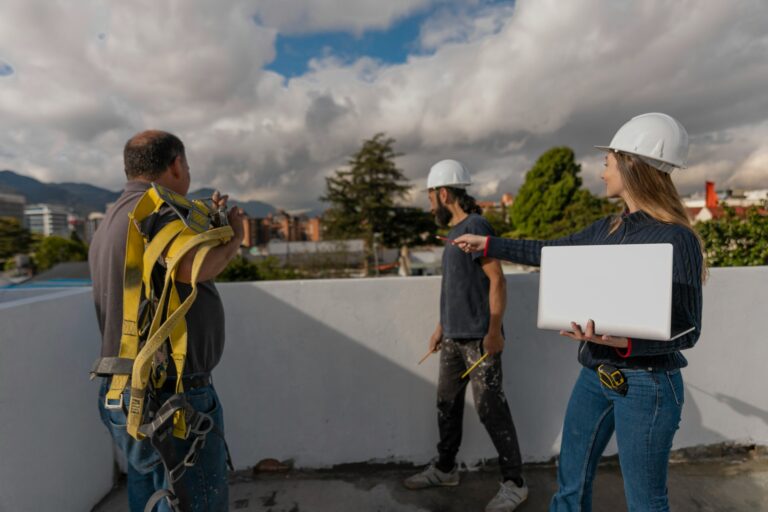
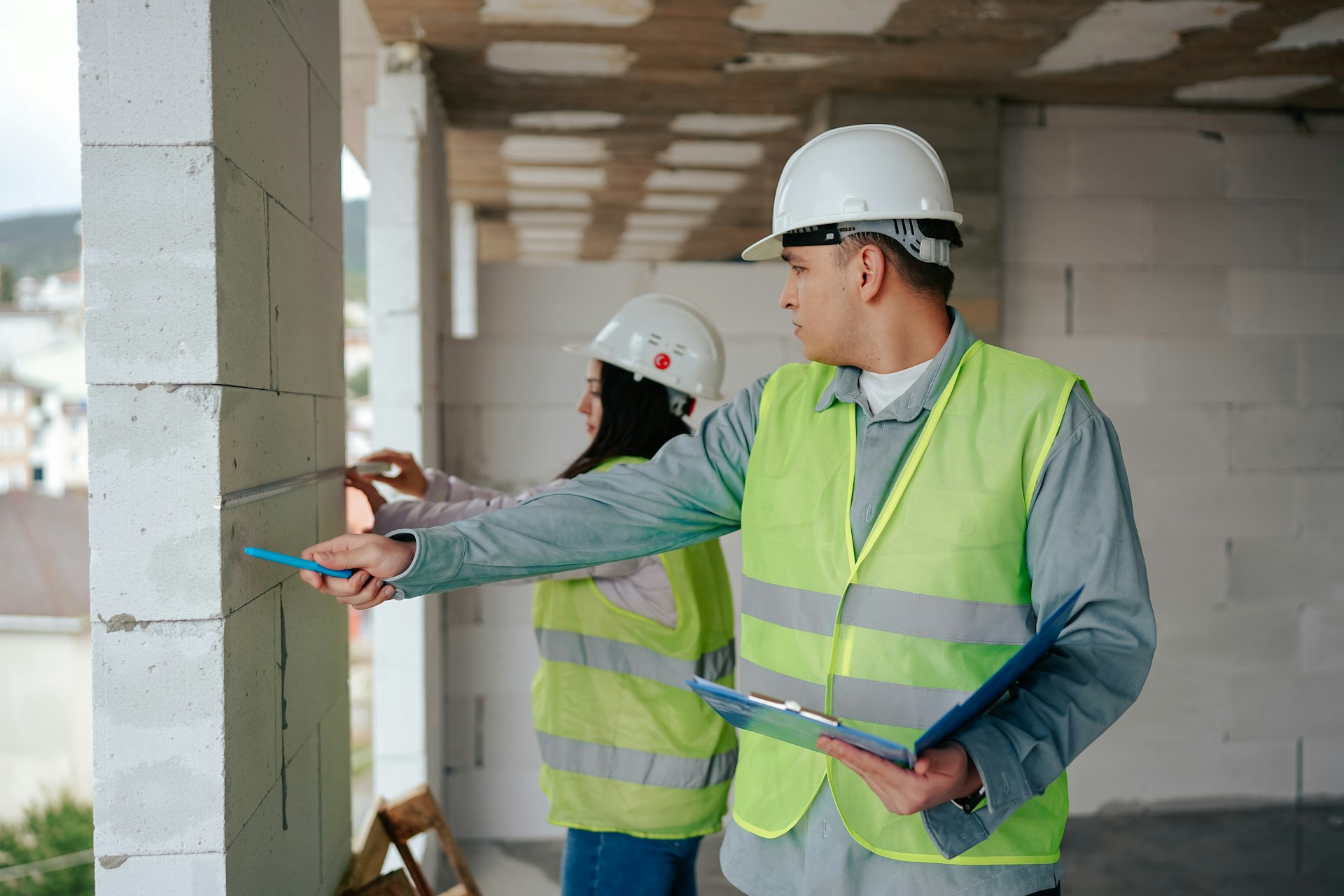
During the actual inspection, expect them to move through the construction site attentively. They’ll check plans, measure clearances, examine installations, and point out any non-compliant or poor-quality work. Photos are taken to back up findings, and any issues are clearly explained in a report.
To make the most of the experience, here are a few tips:
– Let your builder and tradespeople know an inspector will attend
– Keep copies of your approved building plans nearby
– Be open to honest feedback—it’s better to know now than regret it later
– Share any findings quickly with your builder so they can fix the issue
Once everything is reviewed, the report will be sent to you. Some inspectors follow up with a quick call if needs be, to explain anything that needs more detail. At no point is it about discrediting your builder. It’s about keeping your future home safe and sound.
Why Third-Party Beats Self-Checks
It might be tempting to trust your own visual checks or rely on builder updates. But unless you’ve spent years on construction sites and understand local codes thoroughly, there’s a fair chance something could get missed.
Builder-led checks are handy, but they have their limits. They’re essentially reviewing their own work. Bias isn’t always intentional, but it’s hard to avoid when someone’s reputation is tied to the outcome. Some mistakes don’t show up straight away but could’ve been caught in early inspections.
Third-party inspectors don’t have that conflict. They look at your home without personal interest in how fast or cheaply it gets finished. Their only job is to assess whether things are done right, safely, and to code.
The biggest benefits include:
– Catching minor faults before they lead to bigger problems
– Clear, easy-to-understand feedback that lets you act with confidence
– Photo-documented reports you can refer back to or use to resolve disputes
– Knowing nothing vital has been skipped or glossed over
Many issues happen in places you won’t see again once the house is sealed up. That includes wall cavities, waterproofing layers, joins under tiles, and insulation above ceilings. Trouble in any of these can take months or years to show up. Having someone inspect them during the build gives you a better result from the start.
Why Perth Homeowners Shouldn’t Skip This Step
New homes in Perth have plenty to deal with—from sandy soils and strong winds to dry heat and drainage complications. It only makes sense to want every detail of the build done right, especially when you’re investing in a place that’s meant to last.
Third-party verification gives both the builder and the buyer an objective check of what’s really happening behind the scenes. When reports flag problems early, they’re often easy to fix on the spot. That creates fewer delays and happier outcomes all round.
It’s not just about correcting flaws either. A staged inspection system sends a message that quality and care matter every step of the way. When you bring in an experienced set of eyes partway through a build, you’re protecting your future space as well as your peace of mind.
Homes are huge commitments. They’re not something you want to gamble with. Having someone with the right knowledge checking things properly means every frame, pipe, and tile goes in the way it’s meant to. For Perth homeowners, that’s one of the smartest moves you can make during construction.
For a reliable home building experience in Perth, consider the value that independent building inspections offer throughout your project’s progress. Opting for these inspections can save you from future headaches by catching issues early and ensuring compliance with local standards. To understand how this process fits into your construction schedule and supports build quality, explore how independent building inspections in Perth by ABBC Building Inspectors can help guide your home through each critical stage.