Understanding Ventilation Requirements in New Builds
Ventilation is a vital aspect of any new home, making sure that the air you breathe is clean and fresh. Good ventilation systems keep air circulating, taking away stale air and bringing in fresh air. This process prevents the buildup of moisture and pollutants, which can lead to health problems and damage to the home.
Without adequate ventilation, homes can suffer from issues like mould growth and poor air quality, affecting the overall wellbeing of its occupants. It’s important to ensure that every new build has a well-designed ventilation system that meets established standards. Proper ventilation keeps the indoor environment healthy and comfortable, crucial for enjoying your new home.
Understanding how ventilation works and keeping it effective through inspections ensures your home remains a pleasant place to live. By focusing on the best practices and standards, we can maintain air quality that protects both your home and your family’s health.
The Role of Ventilation in New Builds
Ventilation is crucial in maintaining a healthy and comfortable environment in new builds. It helps circulate fresh air throughout the home, removing outdated air, moisture, and unwanted odours. Proper ventilation reduces the risk of mildew and mould, which thrive in damp spaces. This is vital for both the structure’s longevity and the occupants’ health.
Without adequate ventilation, homes can face several issues. Moisture problems rank high among these concerns. When moisture is not removed efficiently, it can lead to structural damage over time. Poor air quality affects the health of those living in the home, causing headaches, allergies, and respiratory issues. Stale air can also make the living environment uncomfortable and less inviting.
Adhering to ventilation standards in new constructions is essential. These standards ensure that homes are built with the right balance of indoor air quality and energy efficiency. Regulations are in place to guide builders in incorporating effective systems that maintain fresh and clean air throughout the home. Meeting these standards not only promotes health and comfort but also ensures the building complies with legal requirements, preventing potential issues down the road.
Key Ventilation Areas in New Homes
When considering ventilation in new homes, certain areas require special attention to ensure a safe and pleasant living environment. These include:
- Kitchens: Adequate kitchen ventilation is necessary to remove cooking odours, moisture, and combustion gases. Range hoods and exhaust fans are commonly used to ensure fresh air circulates, keeping the space comfortable and safe.
- Bathrooms: Bathrooms are prone to moisture build-up from showers and baths, which can lead to mould without proper ventilation. Installing exhaust fans helps to eliminate excess moisture, preventing damage and maintaining air quality.
- Roof spaces: Proper roof space ventilation prevents heat build-up and moisture accumulation, which can compromise roofing and insulation. Roof static vents or fans ensure air movement, protecting the home’s structural integrity.
Failure to ventilate these areas adequately can lead to various problems. For example, without proper kitchen ventilation, grease particles can accumulate on surfaces. In bathrooms, stagnant moisture encourages mould growth, potentially damaging fixtures and health. Poor roof space ventilation may result in prematurely aging roofing materials and compromised insulation effectiveness.
By focusing on ventilation in these key areas, new homes can benefit from improved air quality and reduced maintenance issues, ensuring a healthier living environment for all occupants.
Types of Ventilation Systems
Understanding the different types of ventilation systems available is important for choosing the best fit for a new build. Each system has its unique features and benefits, catering to different needs and conditions.
- Natural Ventilation: This relies on natural forces like wind and buoyancy to move fresh air into and out of the house. It’s cost-effective and energy-efficient, using windows, vents, and other openings. However, it depends on weather conditions and building design, which can limit its effectiveness year-round.
- Mechanical Ventilation: This system uses fans and ductwork to ensure constant airflow regardless of outside weather. It’s excellent for controlling air quality and humidity levels and offers consistent ventilation. Mechanical systems can include exhaust-only, supply-only, or balanced systems, each with particular benefits and energy considerations.
- Hybrid Ventilation: Combining both natural and mechanical elements, hybrid systems switch between the two methods based on conditions. They maximise energy savings during mild weather and provide robust ventilation when needed.
When selecting a ventilation system, key factors to consider include climate, budget, and specific needs of the building. An effective ventilation strategy balances these elements to provide comfort and efficiency in the home.
Ensuring Effective Ventilation Through Inspections
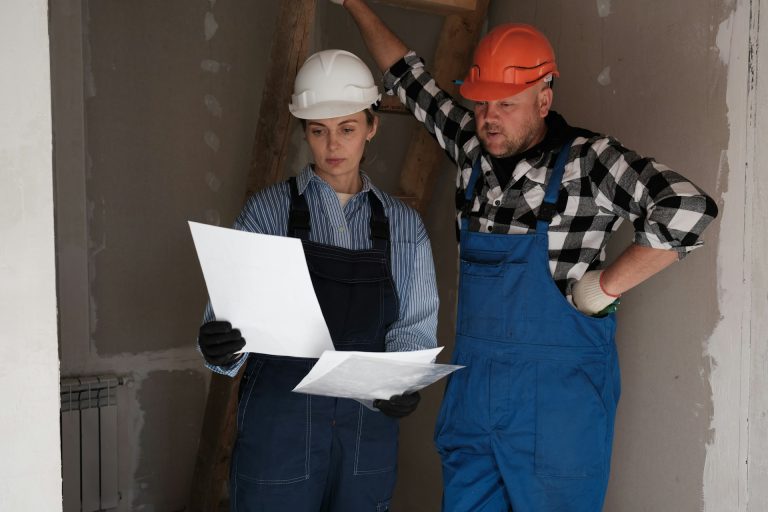
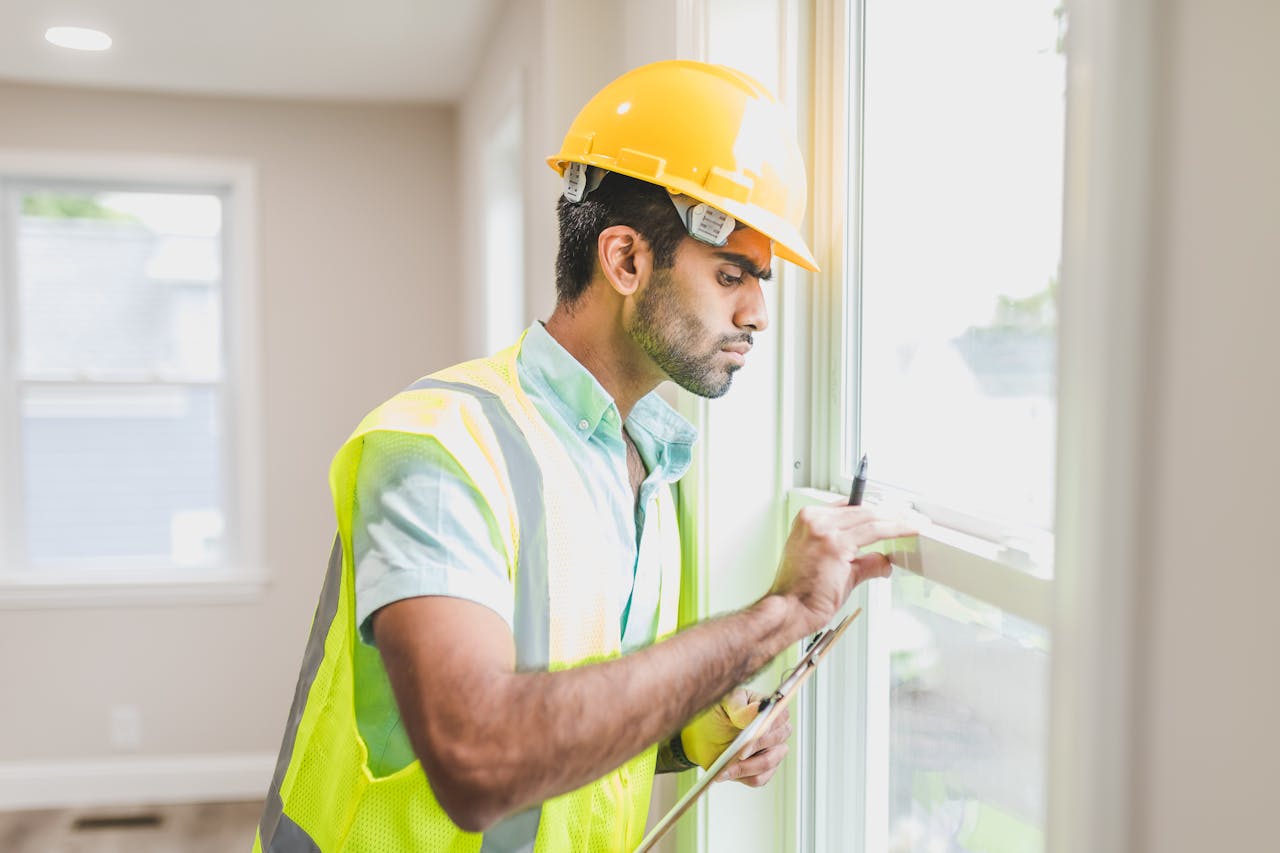
To guarantee a home’s ventilation system works as intended, inspections during the construction phase are vital. These inspections verify proper installation and address any potential issues early.
Inspectors focus on several areas, including:
- Installation Quality: They check that systems align with design plans and meet requirements. This includes ensuring ductwork is correctly sealed and that fans and vents are appropriately located.
- System Testing: Inspectors may perform tests to measure airflow rates and ensure systems provide adequate ventilation throughout the entire home.
- Compliance With Standards: Ventilation installations are assessed against building codes and standards. This ensures that the system is not only effective but also legal and safe.
Inspections also help identify installation mistakes or deficiencies before they lead to larger problems, saving time and money. Regular inspections throughout the building process offer peace of mind, keeping the system on track to meet its intended performance.
Conclusion:
Ventilation plays a crucial role in maintaining a healthy and comfortable environment in new constructions. From understanding the types of systems available to ensuring their correct installation through thorough inspections, homeowners can secure an efficient and effective ventilation setup. Proper ventilation mitigates common issues like moisture build-up and poor air quality, contributing to the overall well-being of a home and its occupants. A well-ventilated home offers both comfort and protection, preserving the building’s integrity and providing a healthy living space.
For those planning or currently building a home, taking the time to focus on ventilation can pay off in the long term. By incorporating effective systems and conducting regular inspections, you ensure that your home is safe and pleasant for years to come.
Make sure your new home’s ventilation system is installed right the first time with ABBC Building Inspectors. Our expert new build inspections help identify and solve potential issues, ensuring your system meets all standards for safety and comfort. Trust our team to keep your home’s air fresh and healthy, protecting your investment and peace of mind. Contact us today to schedule your inspection and breathe easy knowing your home is in good hands.