
Regular Checks During Commercial Construction
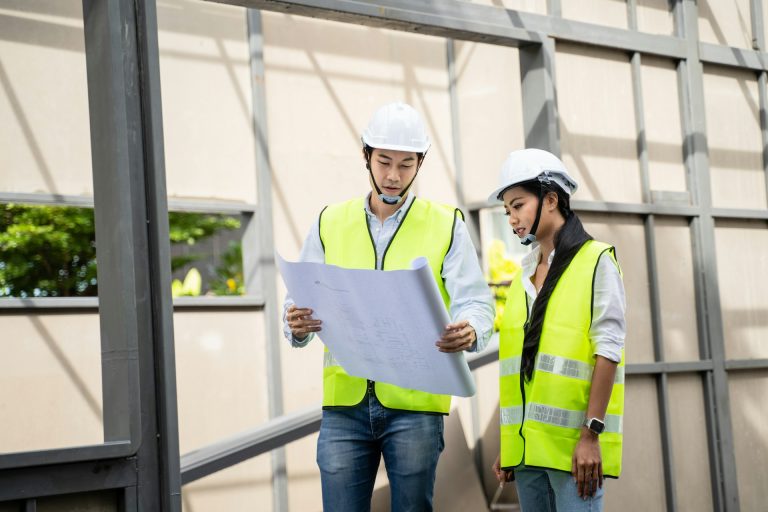
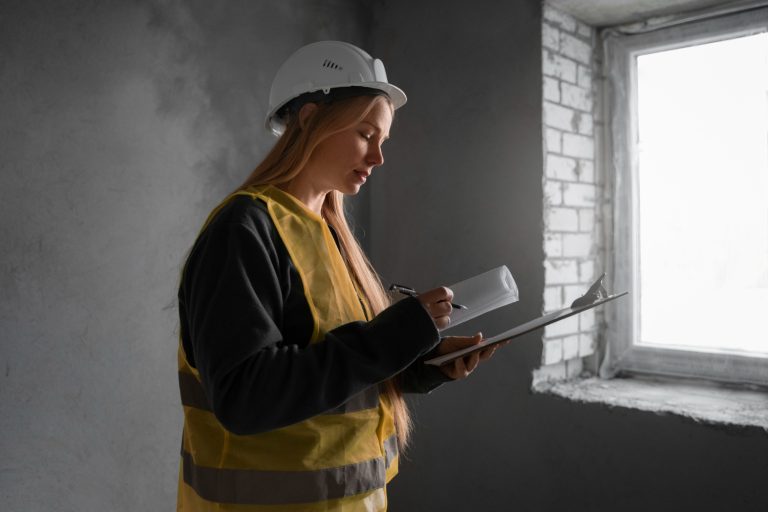
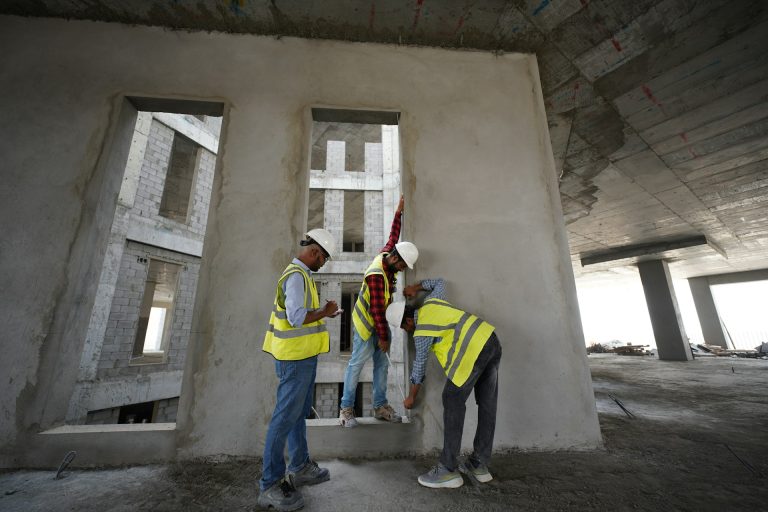
Commercial construction projects in Perth can span months or even years, involve many workers, and cost big money to complete. With those kinds of stakes, keeping a close eye on the build from start to finish really matters. Regular checks during key stages help catch things early before they become bigger and more expensive issues. These inspections aren’t just about ticking boxes. They’re about making sure the structure is solid, the work is done right, and the build stays on track.
Whether it is a large office space or a warehouse, staying on top of the construction process keeps the project safe, efficient, and within guidelines. Inspections give contractors and property owners the chance to step in when something doesn’t quite look right. It is a way of keeping quality high and headaches low. For anyone involved in a commercial build, knowing what to inspect and when makes a real difference.
Importance Of Regular Checks During Commercial Construction
Regular inspections keep the build moving smoothly and stop small problems from growing into major faults. On a site where things change every day, issues can fall through the cracks if no one is keeping track. An extra set of eyes early on can save weeks of delays later down the line.
Here is why these checks matter:
– Work quality stays consistent – with inspections happening regularly, tradespeople tend to stay sharp and follow proper standards. Quality is easier to manage when everyone knows someone is checking.
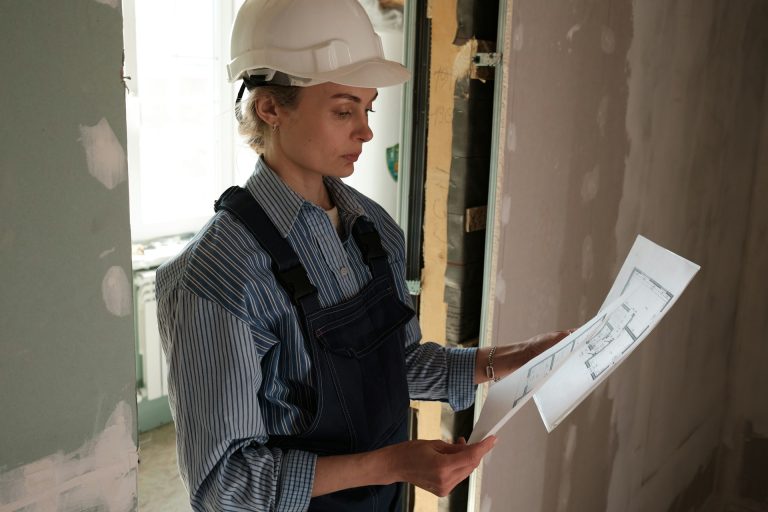
– Plans match the actual build – over time, little adjustments can sneak into construction. Regular check-ins help confirm that what is on paper is what is being built on-site.
– Occupied spaces stay safe – in commercial builds where parts of the property might already be in use, inspections help spot safety risks quickly.
– Delays get caught early – if materials are not installed right or work does not follow the timeline, someone checking the progress can spot this before your entire schedule is affected.
– Legal compliance is easier to manage – building codes, safety laws, and quality requirements don’t leave much room for error. Regular inspections help remove risks of falling out of line with the approved plans.
In commercial builds, there is often pressure to move fast, especially when business layouts, leases, or deadlines are involved. Regular checks act like a pause button. They offer a moment to confirm the work is solid and decisions are right before pressing on.
Key Inspection Areas During Construction
Commercial construction sites cover a lot of ground both in space and in terms of systems. Some of the most common areas where things can go wrong are the parts people usually don’t see. That is where regular inspections make all the difference. Catching an issue in these zones early can keep the entire structure safe and sound.
Here are the main areas worth paying attention to:
1. Foundations and Slabs
If the base is not poured and levelled properly, everything built on top becomes risky. Cracks, uneven settling, and even water seepage can start here if it is not inspected early and checked again after curing.
2. Framing and Structure
During the middle stages, walls, columns, and roofing supports are put into place. Problems with load-bearing walls, incorrect measurements, or missed reinforcement can go unnoticed for too long without steady oversight.
3. Electrical Systems
Loose wiring, missing conduit, or improper installations can cause major safety concerns. An inspector checks if everything lines up with electrical design requirements and future access points are accounted for.
4. Plumbing and Waterproofing Installations
Pipes that are not fitted, sealed, or sloped correctly can cause future leaks or water damage that is costly to fix once walls go up. Waterproofing details such as falls, puddle flanges and corner reinforcement need to be checked. Early inspections catch these layout and drainage issues.
5. HVAC and Ventilation
Making sure ducts and units are positioned and insulated correctly matters not just for air flow but also for fire safety and energy use. An error here can affect comfort and running costs down the line.
Let us take one example. On a construction site in the CBD, inspection of plumbing rough-ins revealed that water lines were angled too sharply, creating pressure buildup risk. Fixing it only took a few days. But if someone had noticed it after the walls went up, it could have meant tearing apart completed finishes, costing time and money.
Each of these areas needs a different eye and skillset. Maintaining a rigid schedule for inspection across these points brings clarity and avoids last-minute surprises.
Scheduling Inspections And Keeping Accurate Records
Timing inspections right is one of the most useful ways to keep a commercial construction project steady. Every phase of construction opens the door to new risks, especially when inspections are delayed. It is important to check the work when it is fresh, not after plasterboard and tiles have covered the flaws.
A good schedule usually lines inspections up with major milestones. These might include:
– After the slab is poured but before framing starts
– Once all services like plumbing and electrical systems are roughed in
– When major structural elements are in place
– At lock-up stage
– Right before final finishes are applied
Inspections at these points give everyone a chance to catch errors before they are locked in, literally and figuratively. For instance, if an HVAC duct is routed incorrectly and it is not caught before the ceiling goes in, correcting it gets much trickier and far more expensive.
Just as important as when you inspect is how you document what is found. Messy or incomplete records make problems harder to solve. Keep your notes simple, dated, and clear. Include what was found, where it was found, and what action is expected. Pair those notes with photos, wide shots for context and close-ups for detail. If something changes or gets fixed, follow up with an updated photo and note.
Use a single place to store all reports, photos, and communication. A shared drive, cloud folder, or project-log software can help everyone stay in the loop. Whether dealing with one contractor or several, staying organised makes it easier to push for timely fixes and avoid messy back-and-forths later.
How Professional Inspectors Keep Projects On Track
Commercial construction involves plenty of hands and dozens of decisions. When timeframes are tight and work is moving fast, it is easy for something important to get missed. Hiring an independent inspector adds a level of balance. They come in without bias and do not answer to the builder or the contractor, which lets them focus on the build itself and not the politics around it.
Professional inspectors can catch things that busy site crews overlook. They have trained eyes for reading plans, checking technical installs, and understanding what impact today’s mistake could have six months down the road. Even details that seem small, like using the wrong size pipe fitting or forgetting a structural tie, can lead to major headaches once the building is in use.
They also bring tech and tools that help with accuracy. From thermal imaging to moisture meters and laser levels, they have ways to test and verify that things are being built right. It is less about opinion and more about data, meaning their inspection reports carry weight.
For large builds where multiple trades are involved, having consistent, detailed checks can make a big difference. Inspectors also provide documentation that matches insurance, council, and developer needs. If there is pushback from a worker or contractor, you have got clear proof of what was done and why it needs attention. That saves time, cuts down on conflicts, and lets the work move forward without bumps.
Staying Ahead With Smart Construction Oversight
Regular checks are like having a quality filter throughout the entire job. They bring structure to what can easily become a chaotic process, especially when the pressure to meet deadlines starts to build. By checking early and often, the chances of nasty surprises later go down. That is better for timelines, budgets, and everyone involved.
In Perth, where the weather can change quickly and materials need to be sturdy, staying alert makes a real difference. From plumbing and framing to HVAC and the final finishes, inspections help spot weak points before they spread.
It gives you peace of mind that matters when you are responsible for a commercial property. Whether you are building offices, showrooms, or warehouse spaces, the right checks done at the right times add up to a safer, more dependable space. Having someone with experience looking over the work as it happens lets you stay one step ahead, making sure nothing gets swept under the rug.
Regular inspections are not just about following rules. They are about protecting your build and reducing risks before they grow harder and more expensive to fix. With qualified inspectors watching over each phase, you get a clearer picture and better results from the ground up. That is how you keep your commercial construction on track.
Keep your project running smoothly from the ground up with regular inspections that catch issues early. To stay on top of every stage and avoid costly surprises, book a commercial building inspection in Perth. ABBC Building Inspectors is here to help make sure your construction meets standards and finishes strong.