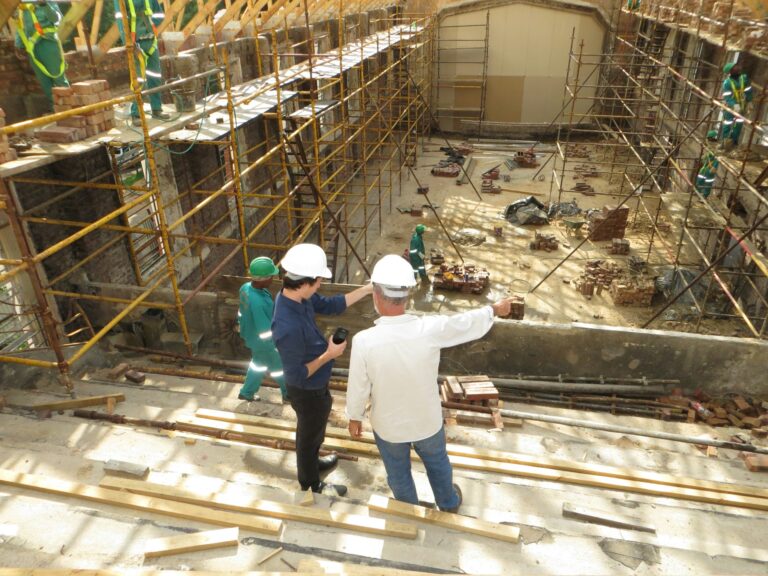

When to Call a Property Inspector in Perth for Autumn Issues
When summer ends, a lot can shift across a job site. In Perth, the early part of autumn often brings milder air and cooler starts, but it is not just about the temperature. The mix of early rain and changing humidity can start to show where a site might be reacting to the season, particularly in places where works were completed during the dry heat. We often check builds around now because even though everything might look steady on the surface, certain materials start to change pace with the weather.
Calling a property inspector in Perth during autumn is not just about checking a box. It is about knowing when things are likely to move, shift, or open up after months of summer pressure. Autumn can be kind or unforgiving depending on what stage your build is at, and that is exactly why timing matters. Some of the trouble spots we catch in April would not have appeared a month earlier.
How Autumn Weather Affects Under-Construction Sites
By the time early April rolls around, Perth’s autumn rhythm has usually started. Those sharp, dry days loosen their grip, and the air takes on more water, especially overnight. That change can do more than just dampen the ground, it starts to affect how structures behave.
- Timber expands or contracts as temperatures swing, which can create slight shifts in frames
- Sealants that cured quickly in summer might not hold the same under cooler damp air
- We often find that cladding and joints start to react, pulling away or settling in unusual ways
There is a lot happening in the layers you cannot see too. Soil begins to take on moisture again, which can lead to movement under slabs. That slight give might not cause a problem right away, but it could show hairline cracks or misalignment soon enough. Water tests the build before the big storms arrive, and in our experience, that early test often finds unfinished parts you almost missed.
Signs You Should Book an Inspection Early This Season
Not every shift announces itself with an obvious crack or leak. Often, the first signs of seasonal wear are small and easy to overlook unless you are watching closely. When we step onto site during this time of year, there are cues we look for that hint at deeper movement.
- Slight gaps starting to form between frame edges and walls
- Doors or windows that stick or swing without sitting flush in their frames
- Fine cracks or changes in slab levels that were not there before
- Damp marks in corners, especially around penetrations or lower wall joins
Moisture does not always pool. It can seep sideways or in from higher spots, especially when flashings or barriers were not fully sealed during drier weather. If insulation has not gone in yet, it is a good chance for us to do a proper check behind linings. Once covered, those trouble spots stay hidden until someone spots failure much later in handover.
It’s important to remember that the clues aren’t always where you expect. Sometimes, just a faint colour change in a timber or a slight squeak underfoot hints at something happening deeper in the structure. As the air gets moist, we’ll even pick up on new smells that suggest moisture is finding its way in behind the scenes.
Ideal Times to Call an Inspector Before Handover
It makes a difference when you book an inspection. We have learned to time our visits around stages where internal access is still clean and major elements like sealants or fixings are not buried under layers of finish.
- Right before the wall or ceiling linings go up, while frames and joints are exposed
- Just after the roofing is on but before any waterproof membranes are sealed into high-risk spots like balconies
- Once HVAC, electrical, and plumbing have been run and before final closures are made around vents or wall fittings
We have had some of our best finds when we walk through builds around these steps. It is when everything is still visible, but pressure has started to show from earlier stages. Blocking out a short pause here can mean avoiding fixes that take days rather than minutes later on.
If you wait until the last layer goes on, anything hidden behind walls or under new flooring will be harder and more costly to address. By stepping in during the open stages, an inspector will see more, catch subtle movement, and help trades adjust or repair before finishes lock defects in. That’s why this period, when the job is at a midpoint, offers the clearest view for everyone involved.
Why Autumn’s Transition Period Matters on Perth Sites
The weather in Perth does not ease in slowly. March might close out with heatwaves, then suddenly the first real downpour hits by early April. This swing leaves sites in a strange halfway space. Things that settled into the heat are now reacting to cooler air, they are pulling back, tightening, or letting moisture find paths it never had before.
This stretch is one of the most revealing parts of the year. A property inspector in Perth who knows local timing will know which weeks tend to show the most movement or surprise. We are not just reading the structure, we are reading the habits of the site along with the season.
Finishes can mask issues. Once water damage or misalignment is covered, it does not resurface until much later. Our aim is to catch it now, before the surface makes it invisible. Perth’s short autumn changeover gives us that chance if we time it right.
Even well-built homes and commercial sites react to sudden changes in Perth’s seasons. Brick and blockwork can tighten up, ageing joints get their first serious test, and drainage set during dry months might not cope with the first soaking rain. Knowing when to watch for these signs means you will limit the headaches of last-minute fixes when handover is right around the corner.
Better Inspections Now, Fewer Problems Later
The goal is not just to find damage. It is to give the build a bit of breathing room before stress builds up again. We often see delays or cost blowouts come from small faults that were easy to check earlier. Autumn works well as a step-off point between pressure-heavy summer phases and upcoming handover deadlines.
When we plan inspections this time of year, we are thinking one layer ahead. Better to catch small shifts before internal trades load more work onto a space already under seasonal strain. A lighter touch now can prevent heavier corrections later on. Nothing stops all wear, but we have seen enough projects to know that early checks save more than just time. They save trouble, stress, and effort when you are too far down the line to open things back up.
Early autumn also signals a natural pause between major site activities. Plasterers and finishing trades often wait for drier air, and supervisors usually prefer to inspect when they can see extended runs of structure in daylight. Making the most of this window gives you flexibility. It is easier to re-assign a day’s work to fix a revealed join or waterproofing issue now than it is to delay move-in or settlement weeks later.
ABBC Building Inspectors complete under-construction inspections in Perth, and our registered builder inspectors look for seasonal wear and weather-related issues at each site, as detailed on our inspection services page. We back each inspection with stage-by-stage documentation, so any concerns are simple to review and correct before handover.
Autumn in Perth is the perfect time to address early signs of seasonal movement in your build. Open walls make it much simpler to spot and resolve structural or moisture-related concerns before they develop into costly issues. Engaging a building inspector in Perth at this stage lets you stay ahead and safeguard your investment. At ABBC Building Inspectors, we understand how timing can maximise the value of an inspection. Reach out to book an inspection that works around your site schedule.