
The Benefits of Third-Party Inspections in Construction
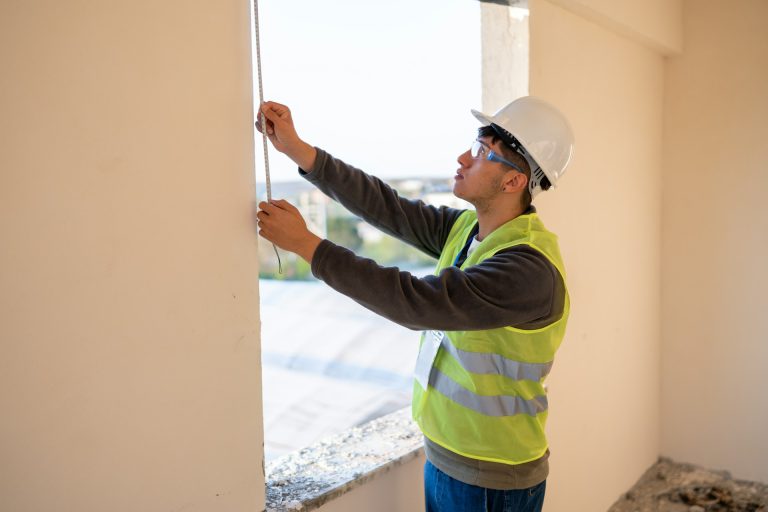
Third-party inspections in construction are a vital part of ensuring quality and safety throughout a project. Unlike internal checks, third-party inspectors bring an objective viewpoint, offering unbiased assessments of the construction work. Their involvement helps spot issues that may not be apparent to those too close to the project.
Having a fresh set of eyes can improve the accuracy of the inspection process. These inspectors are skilled at identifying problems that might otherwise be overlooked. Addressing these issues early helps prevent delays and extra costs. As a result, third-party inspections support a smoother construction journey.
These external evaluations play a crucial role in verifying that every aspect of the construction meets industry standards and regulations. Their expertise helps assure property owners and builders that their projects are on the right track. Ultimately, third-party inspections contribute significantly to project success, enhancing both safety and efficiency.
Understanding Third-Party Inspections
Third-party inspections are an important part of the construction process. They involve hiring an independent party to review the work done on a building project. This extra set of eyes helps make sure every part of the construction meets the highest standards and follows all the rules.
By using a third-party inspector, builders get an unbiased opinion about the construction quality. These inspectors are experts who can spot things that the regular team might miss because they are not involved in the day-to-day tasks. Their main aim is to verify that everything is safe, compliant, and built correctly.
A third-party inspection typically covers a wide range of areas. Some key aspects include:
1. Structural Integrity: Ensuring that the foundation and framework are sound and capable of supporting the building.
2. Material Quality: Checking that the materials used are up to standard and suitable for their purpose.
3. Building Codes: Verifying compliance with local building codes and regulations to avoid future legal issues.
4. Safety Measures: Inspecting safety systems like fire alarms and separation of services to ensure occupant protection.
With third-party inspections, builders gain additional assurance that their projects are on the right track. This process helps catch potential problems early, promoting a smoother construction timeline and high-quality outcomes.
Enhancing Quality Control and Assurance
One of the main goals of third-party inspections is to enhance quality control and assurance in construction projects. Maintaining high construction standards is essential for the safety and reliability of any building.
Inspections improve quality control by providing consistent checks throughout the construction phase. Inspectors use their expertise to identify discrepancies or areas that do not meet the required standards. Quality control involves systematic steps taken to provide confidence that the building will perform as intended.
These steps include:
1. Regular Monitoring: Inspectors conduct frequent site visits to ensure each construction stage follows the plan.
2. Thorough Documentation: They keep detailed records of all findings, which helps the construction team understand and address issues promptly.
3. Expert Recommendations: Inspectors offer guidance on improvement strategies, helping construction teams tweak processes to maintain high standards.
4. Final Quality Checks: Before completion, they perform detailed evaluations to confirm that the final build aligns with all prescribed quality metrics.
Such thorough quality control measures are crucial to identifying potential flaws before they become significant problems. This rigorous oversight not only enhances the current quality of work but also serves to assure stakeholders of the project’s long-term reliability and safety. By maintaining a high level of quality assurance, the project is set up for success both during and after its completion.
Reducing Risks and Avoiding Potential Delays
Third-party inspections are an essential strategy for reducing risks and avoiding delays in construction projects. Risks can come from various sources, including design flaws, material failures, or safety issues. Addressing these risks early is key to keeping a project on schedule.
Inspections play a vital role in identifying potential risks before they become major setbacks. Experienced inspectors can foresee problems and suggest solutions, ensuring safe and effective construction. This proactive approach allows the construction team to address issues immediately, avoiding any delay.
Some common risks include:
1. Design Inconsistencies: Inspectors verify that the construction aligns with the intended design and catches mismatches early.
2. Safety Hazards: They identify potential safety issues, such as unstable scaffolding or exposed wiring, which could cause accidents.
3. Schedule Disruptions: By spotting errors or omissions, inspectors help prevent tasks from overrunning their timeframes.
4. Regulatory Non-Compliance: Avoid costly legal issues by ensuring that every aspect of the construction complies with local building codes.
Reducing these risks and addressing problems early helps keep the project running smoothly. This level of oversight minimises the chance of unexpected delays and ensures a timely completion.
Cost-Efficiency and Long-Term Value
Incorporating third-party inspections is a cost-efficient choice for any construction project. Although inspections may involve upfront costs, they provide long-term savings and value by ensuring everything is done correctly from the start. This proactive approach prevents costly mistakes and rework, saving time and resources in the future.
Cost-efficiency is achieved through:
1. Preventing Rework: Early identification of issues reduces the need for expensive corrections later in the construction process.
2. Saving Time: Inspections keep the project on track by addressing potential delays and ensuring tasks are completed on schedule.
3. Avoiding Legal Penalties: Compliance with building regulations prevents fines and legal battles that can inflate costs.
4. Enhancing Property Value: A well-inspected building retains higher value over time due to its quality construction and safety.
Investing in thorough inspections contributes to the building’s long-term value. High-quality construction reduces maintenance needs and increases the building’s lifespan. By ensuring excellent workmanship and adherence to standards, third-party inspections provide peace of mind and financial benefits.
Conclusion
Third-party inspections during construction are invaluable tools for ensuring quality, safety, and efficiency. They provide an unbiased perspective that helps maintain high standards and prevent costly mistakes. By identifying risks and ensuring compliance, these inspections keep projects on schedule and avoid unnecessary expenses.
A well-inspected project not only benefits from smoother execution but also results in a safe and reliable building. This approach adds significant long-term value, ensuring that the construction meets both current and future needs. For builders and developers, the role of third-party inspectors is crucial in achieving a successful project outcome.
Choose ABBC Building Inspectors to enhance your next construction project. Our skilled team provides expert third-party construction inspections in Perth, ensuring that every aspect of your build is safe, compliant, and on track. Contact us today to discover how we can support your inspection needs and help you achieve a high-quality construction project.