Managing a Commercial Building Inspection in Perth At Season Change
Autumn is a time when construction sites can hang in the balance between what is already settled and what still needs to be checked. Managing a commercial building inspection in Perth at this stage helps flag possible issues that were not obvious during the hotter months. Cooler mornings and shifting ground conditions can reveal weak spots, especially in materials that behaved differently under summer heat.
Late summer often hides the early signs of stress. Now, as the weather turns, those signs start to show. We time our inspections to catch that moment, when changes in temperature, moisture, and building pressure can push things around just enough to expose problems hiding in plain sight. Construction projects do not stop just because the season changes, so there is an ongoing need to keep a close watch as new conditions set in. Autumn offers a real window to address those overlooked areas before the next phase of work covers them up.
Autumn Weather Brings New Site Considerations
The Perth climate begins shifting fast by the end of March. Hot, dry soil can start to loosen or absorb moisture, changing how it supports buildings. We know that is when materials either settle or move unpredictably.
- Moist cool air can sneak into corners where sealing is not complete
- Adhesives and cladding might not hold the same way they did in dry heat
- Light rain may start testing edges, flashings, and rooflines before full waterproofing is done
Autumn weather often shows where shortcuts or delays took place. It does not take heavy storms. Just cooler mornings and slight drizzle are enough to reveal which areas were not quite ready. The temperature difference between daytime and overnight grows wider, which can cause materials to expand and contract more than usual. That stretch and shrink affects fills, sealants, and joins, sometimes loosening parts that seemed tight only weeks earlier. Even the smallest leak or flaw in a seal can let cold air and moisture settle inside, making it much harder to get a handle on problems once internal work moves ahead.
Ground movement also speeds up in autumn. As rain returns, soils move and pressure builds around footings and slabs. This is often when cracks begin to appear or widen, giving a preview of where future trouble may crop up once construction is finished. For buildings with large roof areas or complex designs, early autumn can show up weaknesses in drainage as new water patterns form, helping to catch blocked or poorly pitched gutters before heavier autumn rain arrives.
What Building Inspectors Look for at Seasonal Turn
During season change, even the smallest shifts can show up in visible ways. Heat expands things. Cooling makes them pull back. If something was not fitted properly, it will show now.
- Gaps forming around frames, especially doors and windows
- Buckling or misalignment in joinery or cladding
- Moisture getting in through roof joints, flashings, or behind wall systems
- Slight shifts in base slabs or perimeter concrete starting to show surface cracks
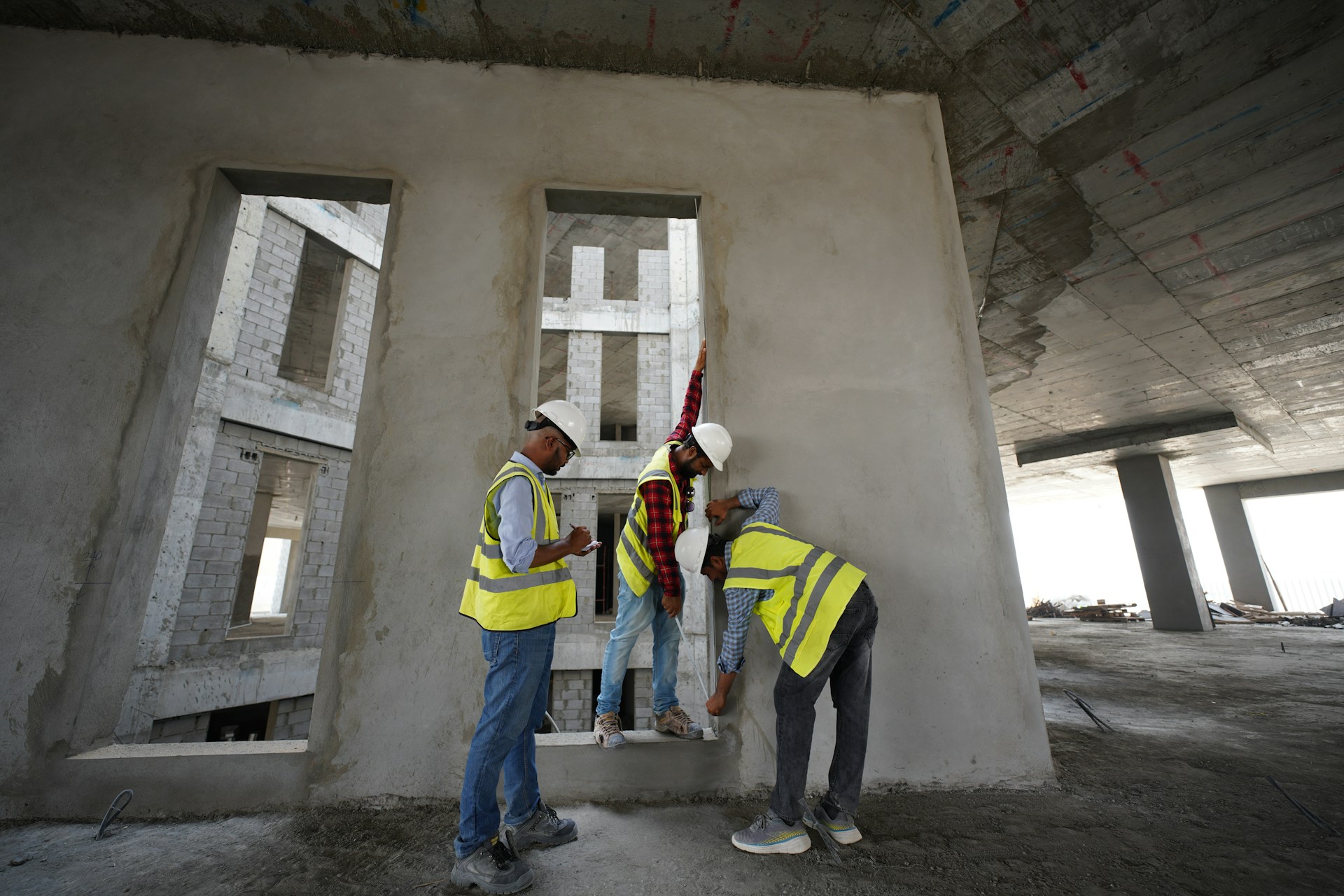
These are early warning signs. Catching them now is easier than fixing them once linings or ceilings go up. If new building materials like insulation, drywall, or exterior panels are scheduled soon, a close check at this stage can make sure that no small cracks or warping are left hidden underneath. Sometimes, trades have already patched over surfaces to save time, but when we inspect during autumn, we can feel and measure movement that might otherwise pass unnoticed.
Attention goes to corners and edges where different materials meet, as these are often the first places to show pressure changes. We look for even the lightest discolouration, curl or soft patch, since these can signal that dew or rain is finding a path inside. It is also a good opportunity to check unfinished wiring, ductwork, or piping, making sure nothing has been disturbed by temperature swings or moisture overnight.
Heavier use of machinery and foot traffic on-site can also become clearer in autumn. Areas where trolleys or vehicles pass may start to show sinking in freshly laid paths, while concrete or pavers can begin to move or shift once they lose the expansive heat of summer. Regular monitoring of these areas keeps the site functional and avoids needing large repairs just before handover.
Scheduling Inspections Around Project Timelines
When we slot inspections into the right stages, they do more than just identify problems, they prevent slowdowns later. The trick is knowing when things may get covered up or made harder to access.
- Look for natural pauses before ceiling linings or waterproof membranes are added
- Aim for post-structural, pre-finishing checkpoints
- Schedule level-by-level checks if internal trades are set to roll out rapidly
Commercial builds tend to move in tight steps. A missed inspection can mean not spotting a fault until it has been plastered over or painted. Well-timed inspections help avoid re-work while keeping pressure off teams during handover periods. By working inspections into the natural flow of the build, areas can be reviewed before they are blocked off, so repairs or adjustments can happen without the builder shifting too many trades or moving equipment more than needed. You may say that this only helps the builder, but building is a partnership and investing in a good relationship is a prudent financial decision.
Inspections are often best planned for early mornings before the full team arrives or in short gaps between big deliveries. That way, inspectors can get a clear view of essential areas like mechanical spaces, roof voids, or wall cavities before access is limited. For multi-storey projects, it helps to have a staggered review plan so each level is inspected just after it reaches a key build stage, making it easier to keep track and not miss anything as internal trades race ahead.
By aligning inspection timing with critical completion points, like before waterproofing is installed or just after framing is locked up, buildings are set up to avoid long delays and last-minute fixes. Late autumn can often be a busy time for completion work, so the earlier small issues come to light, the quicker handover and occupation can progress.
Site-Specific Checks for Commercial Builds
Commercial sites often have heavier traffic and building systems than homes. That means added stress and complexity. Some areas need extra attention once the seasons shift.
- Shared pathways and loading zones can wear out fast, showing signs of cracking or sinking
- HVAC and mechanical systems that expanded in heat might now have exposed joints or open vents
- If penetrations through walls or roofs were not sealed well after summer, moisture from cooler air can sneak in
Where scaffolds have come down or trades have moved on, this is often the best chance to do one last check before internal details cover any signs of early trouble. Big open-plan areas, high ceilings, and large glass walls are all common in commercial builds, and these spaces react strongly to changes in weather. Inspectors look for fogging on glass panes, condensation near vents, or even fine debris that might signal loose seals or entry points for water.
Mechanical and electrical rooms often shift around in autumn as well. Once the temperature drops, equipment that seemed secure in summer may now hum, rattle, or vibrate as surfaces contract. Checking mountings, wiring and supports helps stop minor issues turning into breakdowns. Loading docks or paths exposed to more damp air can change shape or become slippery, making safety checks extra important.
Commercial sites also have a range of trades with their own work overlapping. As each team finishes, inspectors review whether the joint areas, like walls meeting floors, ceiling to wall corners, or wet areas abutting dry zones, are properly sealed and aligned. This layered approach helps deliver a complete, safe build.
Why Location and Season Matter More for Commercial Builds
Perth’s weather does not ease in. One week it is cracking heat, the next we are waking up to dew and cold concrete. These swings are sharp enough to affect builds already under pressure.
We time our site visits with this Perth pattern in mind. Local projects are exposed to sudden changes between late summer heatwaves and the cooler, wetter pulses leading into winter. Some materials shift fast in those conditions. If that goes unnoticed, it can affect the structure or finishes later.
A commercial building inspection in Perth is most useful when it aligns with the seasonal flip, before new layers hide moving parts but after summer has worked its pressure through the framing and sealant. This moment is narrow but important. Getting a clear read now usually means fewer surprises later.
The type of soil found in much of Perth also plays a role in how buildings respond to autumn changes. Areas with reactive clay, in the Hills or Perth’s southeast, can move with just a bit of extra rainfall, which sometimes sets off surface swelling near footings or pavers. Stickier soils can hold moisture longer, slowing down drying times for exposed materials and giving any small gaps extra time to let water through. This is why location-based thinking really matters – one part of the city might face morning mist and high humidity for weeks while another dries quickly after light rain.
As the city’s construction scene keeps growing, more commercial builds need to coordinate with nearby finished buildings or ongoing upgrades. Autumn is a trigger point where those older areas next door might start to show their own movement and issues, sometimes putting extra pressure on new work. By inspecting at the right time, projects are protected from both internal and external shifts.
A Smoother Finish with Fewer Surprises Later
Good inspections are not about checking a box. They give the project breathing room. By using autumn as a natural break before interiors go in, we get a final look at how the building is reacting to time, use, and weather.
At ABBC Building Inspectors, we plan our site visits with Perth’s climate in mind so we can spot timing gaps before they turn into costly problems. The transition from heat to cooler air brings changes where materials move, stress points emerge, and builds can behave differently. Organising a well-timed commercial building inspection in Perth helps keep your project steady and on track as work progresses. Managing or owning a commercial build this season? Let us make sure everything is covered before the next stage, give us a call to arrange your inspection.