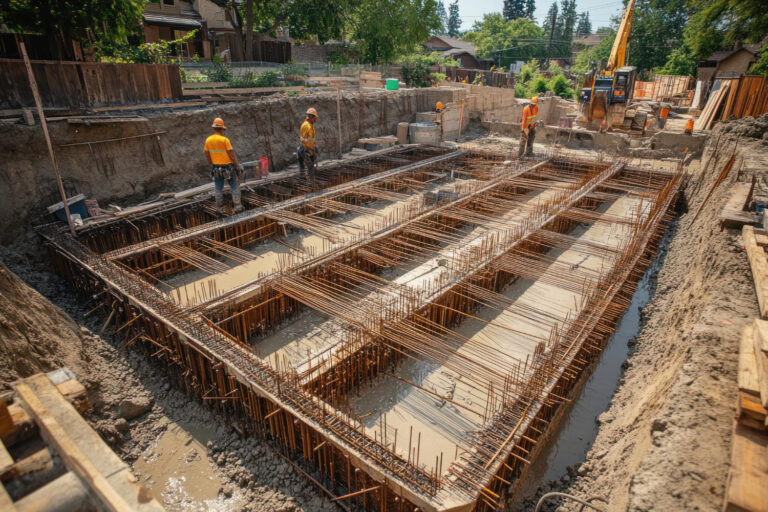

What Is a Dilapidation Inspection for Perth Renovations
A dilapidation inspection is a detailed record of the existing condition of a property before any construction or renovation work starts nearby. We use it to check for damage that might already be there and help spot anything new that could show up during or after a renovation. For Perth property owners planning upgrades, building out, or starting major works, having proof of current or pre-existing condition matters, especially when homes sit close together.
Renovations often bring noise, vibration, and digging. These things can put pressure on walls, pathways, and fences, sometimes causing small changes that are not picked up straight away. With so many older homes across Perth suburbs and pockets of new infill builds, we have seen how useful a pre-work check can be when neighbours share boundaries or live close to the construction zone.
Why Perth Renovations Need a Property Condition Check
Perth has a wide mix of housing, from heritage cottages to new duplex builds. That variety leads to different kinds of construction risks, and not every property reacts in the same way when nearby work kicks off. One older brick wall might move from ground vibration. A newer concrete slab might shift during a dry to wet turn in the soil. These changes are not always obvious as they are happening, and may not be noticed for some months after they have happened.
Here is what raises the need for a property condition check:
- Properties are often built close together, especially in well-established suburbs
- New builds or renovations next door may cause vibration, soil movement, or shifting
- Changes in weather during the job can show up in surface damage weeks later
Without that before snapshot of existing condition, it is easy for people to blame issues on construction even if they already existed. Having the right record saves time and limits disputes.
What’s Covered in a Dilapidation Inspection
When we check a property during a dilapidation inspection, we are looking for anything that construction activity nearby might affect. Most of these signs are small, hairline cracks, chipped tiles, or fence lean. But over time, those things can grow or shift if pressure elsewhere changes.
We usually check:
- Interior walls and ceilings for cracks, staining, or movement
- External brickwork, render, paths, and fences for settling or leaning
- Driveways and steps for movement, lift or drop from soil pressure
- Shared boundaries, especially retaining walls or dividing fences
Street verges, street trees, footpaths and crossovers prior to construction traffic from deliveries and subbies
Photos back it all up so there is a dated record. We do not guess. We show exactly what is already on-site. This makes it much easier to work out later if damage is new or if it was always there.
When to Book a Dilapidation Inspection During a Renovation
The best time to book is before anything starts on site. If earthmoving equipment is about to arrive or demolition is happening in the next few days, that is a good sign it is time to get the inspection done. This way, the work does not outpace your chance to record current conditions.
In Perth, April brings a shift in temperature and soil behaviour. Summer dryness can mask deeper movement in the ground, making problems show up later when moisture returns. An early report at this time of year means you catch any faults before the structure starts absorbing seasonal change.
We suggest:
- Booking before demolition or excavation begins
- Using the gap between building approval and site prep
- Keeping timing ahead of trades who will cover inner or outer walls
Some damage only shows once soil starts to shift with rain or cooler mornings, especially after long dry stretches. Catching it now helps later.
What the Report Looks Like and Why It Matters Later
A completed inspection report is not complicated, but it carries weight. It is made up of clear summary notes covering each area inspected, along with photos showing paint cracks, slab lines, or joints that already had movement. If a neighbouring property raises concern, or damage appears weeks later, this report helps sort facts from guesswork.
Why it helps:
- It shows exactly what was there at the start of the job
- Photos are time stamped and match written observations
- If questions come up later, both homeowners and builders have something to refer back to
This avoids unnecessary back and forth. It also makes it easier to have structure in place for repairs or reviews, instead of having it come down to memory or opinion.
Why Autumn Is a Good Time to Plan Ahead in Perth
April is a smart time to schedule this kind of work in Perth. The end of summer often leaves structures tight and dry. But as moisture starts to creep back into the ground, it is common for foundations and walls to shift slightly. Properties that felt secure three months ago may respond poorly to autumn rain and temperature drops.
Here are the benefits of getting in early:
- Soil is more stable for now, so you get an accurate read before movement begins
- Moisture-driven changes have not had time to distort earlier cracks or create new signs
- Builders can plan ahead without needing to pause for extra checks later
This space at the end of summer and early autumn is like a quiet moment before change begins. We can see the home or site with few distractions and fewer false readings.
Lock In a Clear Snapshot Before Renovation Moves Forward
Every renovation starts by building on top of what is already there. That is why it pays to know, with certainty, what condition everything was in before the first hammer hits. A dilapidation inspection takes the guesswork out. You are no longer left comparing memories or debating what happened when.
ABBC Building Inspectors handles independent pre-renovation and boundary property inspections across Perth, which are always conducted by a registered builder inspector as detailed on our service pages. Our process records current cracks, settlement, and shared boundary issues clearly before new trades arrive, making it easier to compare any changes that happen after demolition or site prep.
When booked before work begins, and especially during Perth’s April window where pressure starts to ease, it is easy to catch movement before it grows. The photos, notes, and structure of this one report play a background role, but they can make all the difference when trying to keep a project on track later. Builders move forward better when they know what they started with. And neighbours do too.
Preparing for a renovation in Perth is all about planning ahead, and our reports provide a clear record of your property’s existing condition so nothing gets overlooked once construction starts. With a detailed check, you will avoid unexpected issues and communicate better with neighbours. Booking a thorough dilapidation inspection ensures transparency and peace of mind as your build progresses. Whether Demolition Contractor, Builder or adjoining Owner, contact ABBC Building Inspectors to get your project started on the right foot.