
House Inspection Service Needs for Perth’s Hot Summer
Long stretches of heat can wear down a home without showing signs right away. In Perth, where summer runs long and temperatures often stay high, we’ve seen firsthand how buildings respond to months of sun exposure. Whether it’s a house that’s been lived in for years or a newly built property still settling, the signs of heat stress usually show up in places that aren’t easy to notice until they’re a problem.
A house inspection service during or directly after summer helps bring those issues to light. It’s not just about fixing things that are already broken. It’s about picking up on cracks, weakening seals, or warped materials that have quietly shifted under months of heat. In this post-summer period, timing has a big role to play in how we assess and respond. There are things that can only be properly reviewed while the structure is still warm, dry, and fully exposed.
Summer Heat and What It Does to a Property
No part of a house stays untouched by Perth’s dry summer heat. Roof tiles become brittle. Paint starts to fade or flake faster along northern- and western-facing walls. Timber finishes on decks or fencing can dry out and start to split. These external changes are often easy to brush off but can be early signs that bigger wear is happening underneath.
Inside and out, some areas show their stress in subtle ways:
- Sealants around joins and external trims may crack or pull away
- Window frames facing the sun may expand, then shrink, warping alignment
- Decking boards can curl or separate as they dry unevenly
- Paint bubbles or blistering may be hiding moisture below or heat expansion inside walls
What makes summer stress unique is not just the visible impact, but the pressure it puts on materials constantly exposed to direct sun. While a fresh coat of paint or sealant might hide wear, the actual structure beneath could still be shifting. When we check these areas close to the end of the heating season, we catch the signs before cooling breezes let the surface shrink back, hiding damage until it’s worse.
What an Inspection Covers During Hot Months
When inspecting properties in summer, we pay close attention to how heat might be distorting or masking problems. What looks fine at a glance might be holding onto sun fatigue that won’t show clearly until cooler seasons.
We usually focus on:
- Roofing: loose tiles, sagging gutters, lifting edges or flashings loosened by expansion
- Wall joins and cladding: gaps that widen in heat and trap particles or moisture
- Windows and doors: slight shifts that make opening or closing more difficult
- Shade structures: stretched fabric, worn fasteners, or cracked supports
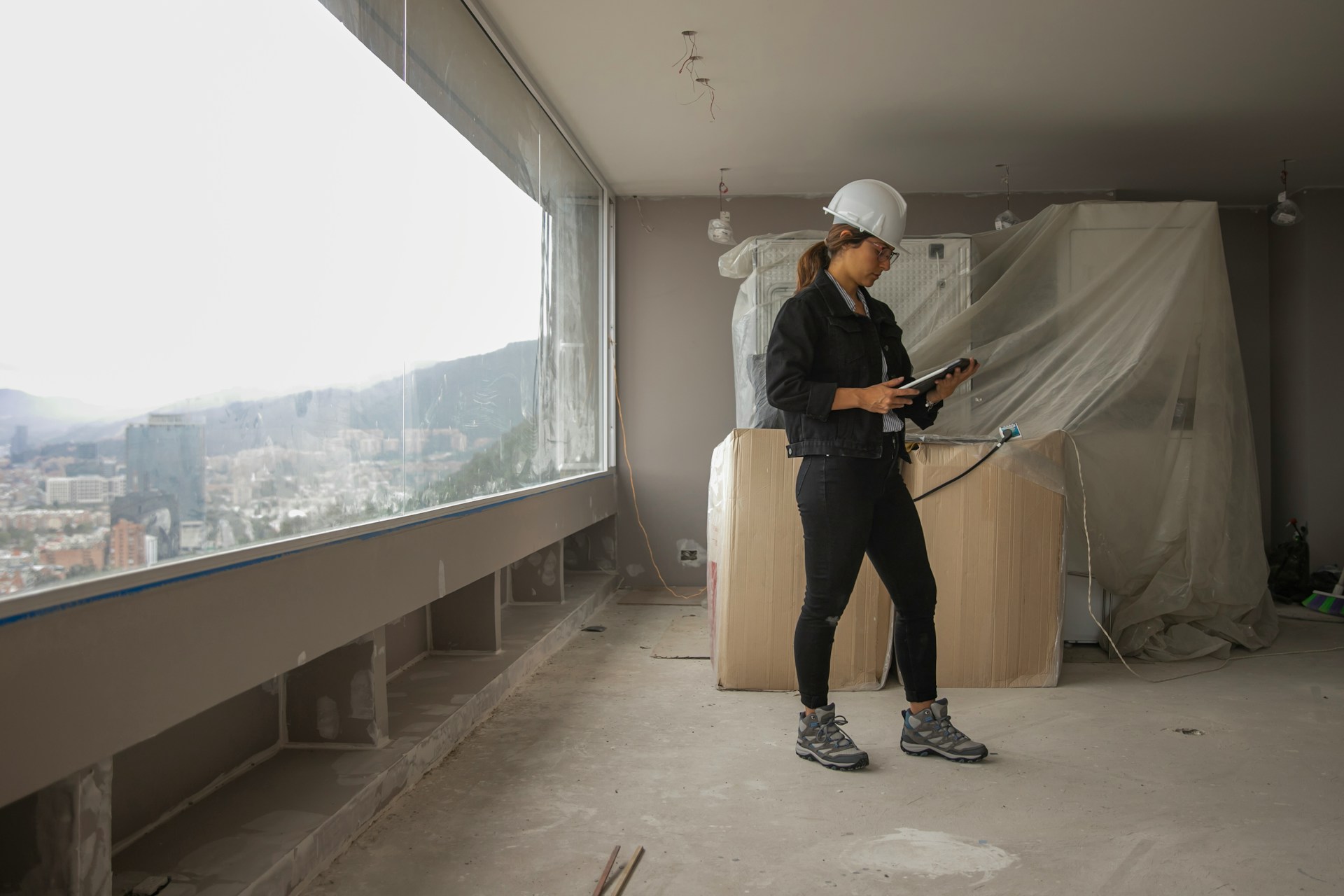
- Under-construction elements: sections still exposed to open weather, such as framing or sealed cavities that haven’t been closed up yet
Ventilation and insulation also get close review this time of year. Summer makes it much clearer when airflow is lacking or if roof cavities are holding more heat than expected. These issues are often much harder to detect once the weather cools and internal conditions level out. Ventilation issues might reveal themselves through musty smells or uneven temperatures in the house, making them important to note before Perth’s rare rains arrive.
Why Timing Matters in Late Summer
By late summer, we can feel buildings change. Materials that have been holding on for weeks start to show signs of fatigue. At this stage, an inspection becomes more useful because things are still active. Joints haven’t tightened back up, seals haven’t cooled and resealed, and the signs of stress are all a bit more honest.
There are three reasons we like to book out inspections now:
- Everything is still dry. That means basements, underfloor areas, and older ceiling voids are easier to access and inspect.
- Weather damage is still exposed. Paint fade, sealant separation, and heat cracks are obvious, not hidden under autumn’s damper conditions.
- We can plan ahead. Most trades and maintenance schedules tighten over March and April. Checking early gives more time to line up quotes, access, and any follow-up work before rainfall starts clogging pipes and closing work windows.
We see less guesswork when property owners get a clear look now rather than leave surprises for colder months when any repairs take longer and cost more. An early inspection also enables occupants to prepare priority lists for minor maintenance, such as touch-up painting or sealing, before demand for trades increases.
Unique Challenges for Perth Homes in Extreme Heat
Homes in Perth face a different kind of summer wear compared to other regions. Perth’s heat is paired with unique local pressures, coastal salt in the air, strong dry winds, and soil that doesn’t always stay still.
We often see warning signs like:
- Movement in foundations from shifting clay-based soil
- Surface metal fixings rusting faster from salty air combined with heat
- Cracks forming near slab edges or where downpipes connect to older fittings
- Paint and sealant wear on west-facing verandas or patios that take full afternoon sun
Building styles in Perth lean into sloped roofing, long awnings, decking, and open hardscape areas. These features perform well most of the year but can take a hit under extreme conditions. As the sun pounds down for weeks, small material shifts add up in places that often go unchecked, like under raised walkways or behind stored items that shield damage until it’s too far along to patch.
These local pressures remind us that every home, even those with similar designs, will react in its own way to Perth’s summer. Awareness of nearby construction activity or changes in your local soil or garden landscape can also play a part in where and how summer damage develops.
Building Confidence Before Autumn
We don’t just look for what’s gone wrong. What matters more is building confidence in what still works, and knowing where your house might shift next. Summer ends with a lot of buildings hiding signs of stress just under the surface. There may be problems that aren’t flagged to the untrained eye.
At ABBC Building Inspectors, we know how Perth’s summer heat can accelerate wear in new builds where materials haven’t fully settled. That’s why we focus on exposed framing, unfinished cavities, and anything left under the sun for weeks without protection. Whether you’re mid-project or just starting to close up a structure, a well-timed house inspection service reveals what needs attention before work moves ahead. Let’s make sure nothing is missed while the weather is still on our side, call us to schedule your property review.